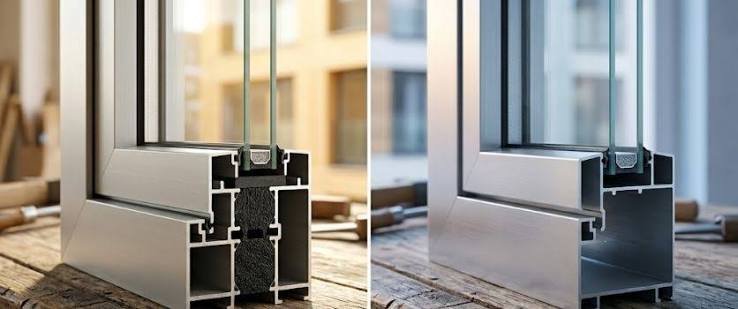
A wooden window frame installed in a Kerala home a generation ago might still be standing strong today, while an identical frame in a flat overlooking a busy Delhi road could already be warping, cracking, or hosting termites within a decade. That gap isn’t about workmanship — it’s about how differently wood and aluminum respond to the specific conditions of where they’re installed, and it’s exactly why “which is better” is the wrong question. The more useful question is when aluminum actually makes more sense than wood for a given home, climate, and budget, and when wood’s traditional advantages still outweigh what aluminum offers.
For a country as climatically varied as India — coastal humidity in Kerala, dry heat in Rajasthan, pollution-heavy air in Delhi, monsoon intensity in Mumbai — this decision genuinely shifts depending on where the house sits, not just what look the homeowner prefers.
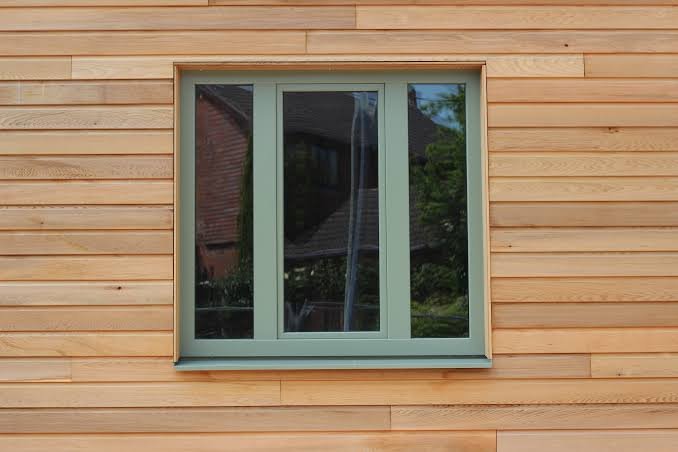
The Situations Where Aluminum Clearly Wins
Certain conditions make aluminum the more sensible choice almost regardless of budget or aesthetic preference, because wood’s vulnerabilities become active problems rather than theoretical ones.
- Homes in termite-prone regions. Wood is a food source for termites, and no amount of treatment fully eliminates the risk over decades; aluminum offers complete immunity to this specific threat, which matters enormously in states like Kerala, coastal Karnataka, and parts of the Northeast where termite activity is persistent.
- High-humidity coastal cities. Mumbai, Chennai, Kochi, and Vizag put constant moisture pressure on wood, causing swelling, warping, and eventual rot if maintenance lapses even briefly; aluminum, properly coated, shrugs off humidity without structural consequence.
- Buildings above the third or fourth floor. Wood’s weight and the need for thicker sections at height make aluminum’s strength-to-weight ratio a practical advantage for high-rise apartments, especially for large sliding sections and balcony doors.
- Homes with limited maintenance bandwidth. Rental properties, second homes, or households where nobody has time for the sanding, repainting, and resealing wood periodically needs are better served by aluminum’s comparatively hands-off upkeep.
- Fire-sensitive locations. Aluminum doesn’t burn, which makes it a meaningfully safer choice for homes near kitchens with open flame cooking setups, or in denser urban clusters where fire risk from a neighboring structure is a real concern.
In each of these cases, the deciding factor isn’t cost or appearance — it’s that wood’s known weaknesses directly intersect with the home’s specific conditions.
Where Wood Still Holds a Genuine Advantage
Dismissing wood as outdated misses situations where it remains the objectively better material, not just the more traditional-looking one.
- Extreme heat regions with less humidity concern. In parts of Rajasthan, Gujarat’s interior, and central India, wood’s natural insulating properties outperform standard (non-thermally-broken) aluminum, keeping interiors cooler without the metal’s heat-conducting drawback.
- Heritage properties and traditional architecture. Havelis, colonial-era bungalows, and homes built in traditional regional styles often require wood to maintain architectural authenticity — aluminum, however well-finished, rarely matches the character these structures were designed around.
- Homes prioritizing acoustic comfort. Solid wood, particularly denser varieties like teak, naturally dampens sound better than standard aluminum frames, which matters for homes near busy roads without the added cost of upgraded glazing.
- Buyers who value long-term repairability. A damaged wood frame can often be sanded, patched, or partially replaced by a local carpenter; a damaged aluminum frame typically needs full section replacement or specialized refinishing, which isn’t available everywhere.
- Homes where wood’s insulation reduces both heating and cooling need. In northern hill states with genuine winter cold — Himachal, parts of Uttarakhand — wood’s lower thermal conductivity works in the homeowner’s favor across both seasons.
Cost: Not as Straightforward as It First Appears
The upfront price comparison between wood and aluminum shifts significantly depending on wood species and aluminum grade, which is where a lot of homeowner confusion comes from.
- Basic aluminum windows are typically the more budget-friendly option upfront, particularly for standard residential sizes without premium coatings.
- Quality wood — teak, sal, or other durable hardwoods — often costs more than standard aluminum at installation, sometimes significantly more depending on regional timber pricing.
- Cheaper softwoods narrow this gap but come with a real durability trade-off, requiring more frequent maintenance and shorter realistic lifespans in harsh conditions.
- Aluminum’s lifetime cost advantage comes from lower maintenance rather than the purchase price alone — no periodic sanding, repainting, or termite treatment expenses over the years.
- Wood’s lifetime cost can escalate if maintenance is skipped, since repairs from neglect (rot, termite damage, warping) are considerably more expensive than routine upkeep would have been.
The honest comparison isn’t purchase price against purchase price — it’s total cost across 15-20 years of ownership, factoring in how consistently the homeowner is likely to maintain the material chosen.
Maintenance Reality Check
This is often the deciding factor for homeowners who are candid about their own habits rather than aspirational about them.
- Wood frames need periodic repainting or resealing, typically every 2-4 years depending on climate exposure, to prevent moisture penetration and UV damage.
- Skipping this maintenance doesn’t cause immediate visible failure — it accumulates quietly until warping, cracking, or rot appears, often well past the point of easy fixing.
- Aluminum needs cleaning and occasional track lubrication, but nothing on the scale of wood’s periodic refinishing requirement.
- Homeowners who travel frequently, rent out the property, or simply know maintenance isn’t a priority for them are generally better served choosing the material that tolerates neglect better — which is aluminum, in almost every climate scenario.
Aesthetic and Architectural Fit
Appearance matters enough in this decision that it’s worth treating as a genuine factor, not just a secondary consideration.
- Wood brings warmth and a traditional character that aluminum’s coated finishes, even wood-textured ones, don’t fully replicate up close.
- Aluminum offers slimmer frame profiles, which suits contemporary architecture, larger glass areas, and minimal design aesthetics increasingly common in new Indian apartment developments.
- Mixed approaches are increasingly common — wood on interior-facing or less-exposed windows, aluminum on weather-exposed or larger openings — letting each material work where it performs best rather than forcing one material throughout a home.
- Resale expectations vary by market segment: premium modern developments often favor aluminum or uPVC as a selling point, while heritage-style or plot-based independent homes sometimes see wood as adding character value.
A Region-by-Region Starting Point
Given how much climate drives this decision in India, a rough regional lean is worth laying out directly:
- Kerala, coastal Karnataka, Northeast India: Aluminum, due to termite pressure and humidity.
- Mumbai, Chennai, Kochi, Vizag: Aluminum, for moisture and maintenance reasons, unless heritage requirements dictate otherwise.
- Delhi, Rajasthan, Gujarat interior: Genuinely mixed — wood’s insulation helps with heat, but pollution and dust favor aluminum’s easier cleaning; thermally broken aluminum often becomes the practical middle ground here.
- Himachal, hill regions with real winter cold: Wood, for its insulating advantage across both summer and winter extremes.
- Heritage and traditional-style homes anywhere: Wood, for architectural consistency, regardless of climate factors.
Questions Worth Asking Before Deciding
Rather than starting from “which material is better,” a more useful approach works through a short set of practical questions:
- How exposed is this specific window to rain, humidity, or direct sun for extended hours daily?
- Is the building in a termite-prone zone, and has the surrounding area had termite issues in other structures?
- Realistically, will maintenance happen on schedule, or is a lower-upkeep material a better match for how the home is actually run?
- Does the property’s architectural style depend on wood for visual consistency, or is a modern aesthetic the goal?
- Is this a long-term family home or a rental/resale-focused property, where different cost horizons apply?
Working through these tends to produce a clearer answer than comparing the materials in the abstract, since the right choice genuinely depends on the specific window, room, and building rather than a single universal rule.
Frequently Asked Questions
Q1. Can aluminum and wood be combined in the same home without looking mismatched?
Yes, many architects intentionally pair the two — aluminum for larger, weather-exposed openings like balcony sliders, and wood for smaller, more sheltered windows — as long as the finish tones are coordinated, the mix reads as a design choice rather than an inconsistency.
Q2. Does wood really need replacing sooner than aluminum, or is that just a marketing claim?
It depends entirely on maintenance and climate exposure — a well-maintained hardwood frame in a moderate climate can easily outlast a neglected aluminum frame, but in high-humidity or termite-prone conditions with average upkeep, wood’s practical lifespan is genuinely shorter than aluminum’s.
Q3. Is treated wood immune to termites, making this comparison less relevant?
Termite treatment significantly reduces risk but doesn’t eliminate it permanently, since treatments lose effectiveness over years and require periodic reapplication — aluminum remains the only option with zero termite vulnerability regardless of treatment schedules.
Q4. For a budget-conscious buyer in a moderate climate, is the aluminum-versus-wood decision mostly about upfront cost?
Upfront cost matters, but maintenance realism matters just as much — a slightly cheaper wood frame that gets neglected ends up costing more in repairs than the aluminum option would have, so the honest answer depends on whether the household will actually keep up with wood’s upkeep needs.