Powder-coated aluminum frames start losing their shine within two to three years if the monsoon grime and coastal salt air are left to sit on the surface. That dulling isn’t really about the metal failing — aluminum itself is remarkably corrosion-resistant — it’s about what accumulates on it: fine dust, pollution residue, hard water spots, and in many Indian cities, a fair amount of construction dust that never quite goes away. Cleaning and maintaining aluminum window frames properly is less about scrubbing hard and more about knowing what the metal reacts badly to, and doing a few simple things on a schedule rather than a deep clean once a year.
Most homeowners treat aluminum frames the same way they treat glass — spray, wipe, done. That approach works for a while, then the frame starts showing white patches, the sliding track gets stiff, and the corners develop a chalky look that no amount of glass cleaner fixes. The difference between a frame that looks good after ten years and one that looks tired after three usually comes down to a handful of habits.
Why Aluminum Frames Need Different Care Than You’d Expect
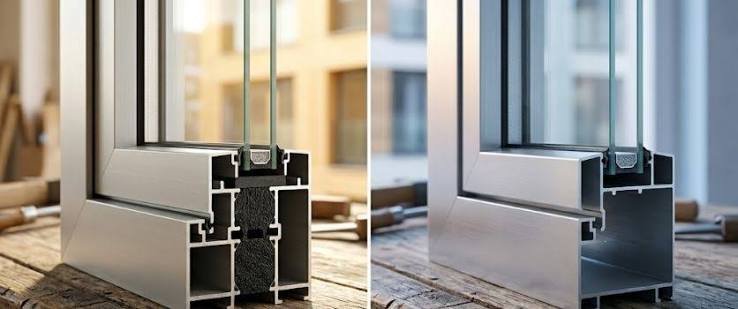
Aluminum window frames are almost always finished with either powder coating or anodizing, and both finishes are thin protective layers sitting on top of the raw metal. The frame itself doesn’t rust the way steel does, but the finish can degrade if it’s exposed to the wrong chemicals or left dirty for too long.
A few things specific to aluminum matter here:
- Alkaline and highly acidic cleaners strip the coating. Products meant for tough kitchen grease or bathroom limescale are often too aggressive and leave the surface looking patchy.
- Abrasive pads dull the finish permanently. Once the coating is scratched, dust and moisture cling to that spot faster, and it becomes a repeat problem area.
- Trapped moisture in the tracks causes more damage than rain on the frame itself. Standing water in the sliding channel is what leads to grit buildup, sticky operation, and eventually pitting.
- Salt-heavy air near coastal cities accelerates surface dulling, even though it won’t cause structural rust like it does with iron fittings.
Knowing this changes the whole approach — the goal isn’t disinfecting the frame, it’s protecting a coating.
Everyday Cleaning: What Actually Works
For routine upkeep, the process is short enough to do monthly without it feeling like a chore.
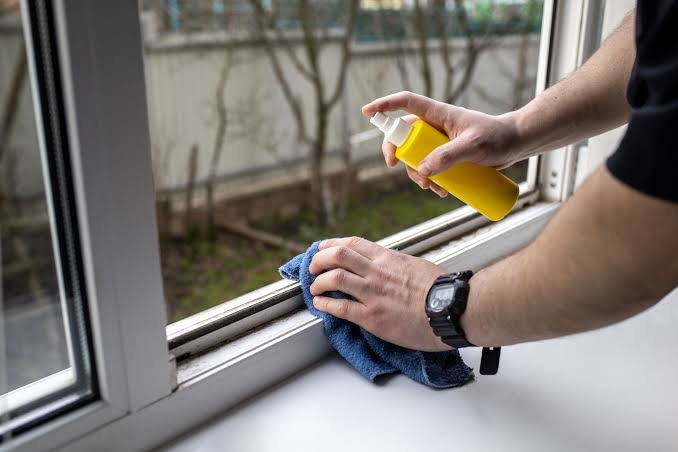
- Mix a small amount of mild dish soap or a pH-neutral detergent in lukewarm water — nothing labelled “heavy duty” or “industrial.”
- Wipe the frame with a soft microfiber cloth or sponge, working in the direction of the finish’s grain if it has a brushed texture.
- Rinse with a clean, damp cloth to remove any soap residue, since leftover soap attracts dust faster than bare aluminum does.
- Dry immediately with a lint-free cloth rather than letting it air-dry, especially in humid coastal cities where water spots set quickly.
- Avoid letting the frame air-dry with droplets sitting in the corners — that’s where mineral deposits build up first.
For the sliding tracks, a soft-bristled brush (an old toothbrush works fine) combined with a vacuum nozzle removes the packed dust and sand that regular wiping never reaches. This is the single most skipped step, and it’s the reason so many sliding windows in older flats feel gritty or stiff after a couple of years.
Dealing With Stains, Oxidation, and Hard Water Marks
Not every mark on an aluminum frame is dirt — some are mineral deposits or early-stage oxidation, and each needs a slightly different fix.
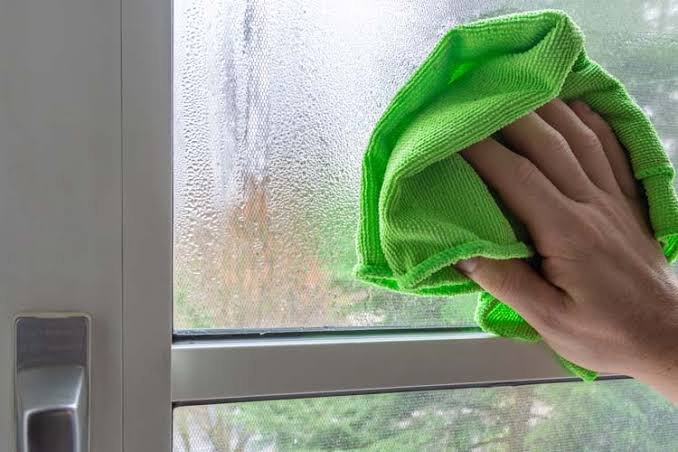
Hard water spots — common after monsoon rain dries on the frame or after cleaning with tap water in hard-water regions — respond well to a diluted white vinegar solution (one part vinegar to three parts water), applied briefly and rinsed off right away. Leaving vinegar on too long isn’t ideal either, since prolonged acid exposure can affect the coating over time.
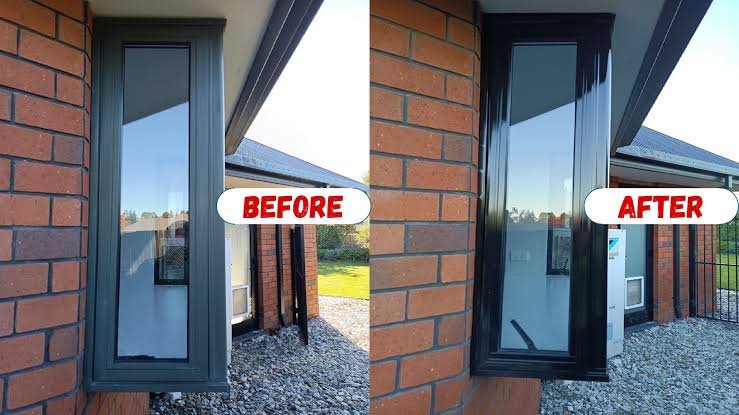
Chalky white patches usually indicate the powder coating is oxidizing slightly, often on older frames or ones that were never sealed well at installation. A specialized aluminum cleaner-polish (available at most hardware stores as “aluminium polish” or “alu-clean”) restores some shine, but it won’t fully reverse deep oxidation — at that stage, repainting or professional refinishing is the more realistic option.
Grease or handprints near handles clean up with the same mild soap solution; no need for a separate degreaser, which tends to be harsher than necessary for aluminum.
A general rule worth keeping in mind:
- If a cleaner isn’t specifically labelled safe for aluminum or powder-coated metal, test it on a small hidden section first — the underside of the frame near the sill is a good spot.
Track and Hardware Maintenance
The moving parts fail long before the frame itself ever does, so this section deserves more attention than most people give it.
- Vacuum the tracks every few weeks in dusty seasons, more often if the window faces a road or construction site.
- Apply a small amount of silicone-based lubricant (not oil-based) to rollers and hinges twice a year — oil-based lubricants attract dust and turn gummy over time, while silicone stays cleaner.
- Check screws and fasteners annually; aluminum frames can loosen slightly with temperature expansion and contraction across seasons.
- Inspect rubber or weatherstrip seals for cracking, especially on west-facing windows that take direct afternoon sun — UV exposure degrades rubber faster than it affects the aluminum itself.
- Clean the weep holes (the small drainage slots at the base of the frame) with a thin wire or pin — blocked weep holes are a leading cause of water pooling inside the track during heavy rain.
Seasonal Care Based on Indian Weather Patterns
Aluminum frame maintenance isn’t a one-size-fits-all schedule — it shifts depending on the season and region.
Before monsoon: Clear weep holes, check seals for gaps, and apply a light protective wax or polish if the frame is more than five years old. This is the single most useful pre-monsoon task, since it reduces how much water and grit actually settles into the frame during the season.
During monsoon: Wipe down frames after heavy spells rather than waiting for a dry week — standing moisture in tracks is the main driver of long-term wear during this period.
Post-monsoon: A slightly deeper clean than usual, since this is when mineral deposits and grime accumulate most. This is also the best time to lubricate hardware again.
Summer/dry season: Dust is the main enemy here rather than moisture — more frequent light wiping matters more than deep cleaning.
Common Mistakes That Shorten a Frame’s Lifespan
A few habits quietly cause more damage than people realize:
- Using steel wool or scouring pads to remove stubborn marks — this scratches the coating almost instantly.
- Pressure-washing frames directly, which can force water past seals and into wall cavities around the window.
- Ignoring small dents or coating chips, which become entry points for oxidation if left untreated.
- Painting over a peeling powder coat without proper surface prep, which usually peels again within a year.
- Using bleach-based cleaners, which react with aluminum’s natural oxide layer and can cause discoloration.
When To Call a Professional
Routine cleaning and lubrication can be handled by any homeowner, but a few situations are worth bringing in someone experienced:
- Frames showing pitting or deep corrosion beneath the coating
- Sliding mechanisms that have become misaligned rather than just dirty
- Large sections of peeling or bubbling powder coat
- Windows more than 12–15 years old that haven’t had any refinishing
In most Indian cities, local aluminum fabricators (the same ones who install window frames) also handle refinishing and hardware replacement, usually at a fraction of the cost of a full window replacement.
Frequently Asked Questions
Q1. How often should aluminum window frames actually be cleaned?
A light wipe-down monthly is enough for most homes, with a more thorough clean including tracks and hardware done seasonally, especially before and after monsoon.
Q2. Can I use regular glass cleaner on the aluminum frame itself?
It’s fine occasionally, but glass cleaners often contain ammonia, which can dull powder-coated finishes with repeated use — stick to mild soap and water for the frame, and save the glass cleaner for the glass.
Q3. My sliding window has become hard to open — is that a cleaning issue or a hardware issue?
It’s almost always dust and grit compacted in the track, not the frame degrading; a thorough vacuum and clean followed by silicone lubrication on the rollers usually solves it within minutes.
Q4. Is it normal for aluminum frames to develop a slightly chalky texture over time?
Yes, it’s a sign of surface oxidation on the coating rather than the metal itself failing, and while polish can improve the look, frames past a certain age may need professional refinishing to fully restore shine.