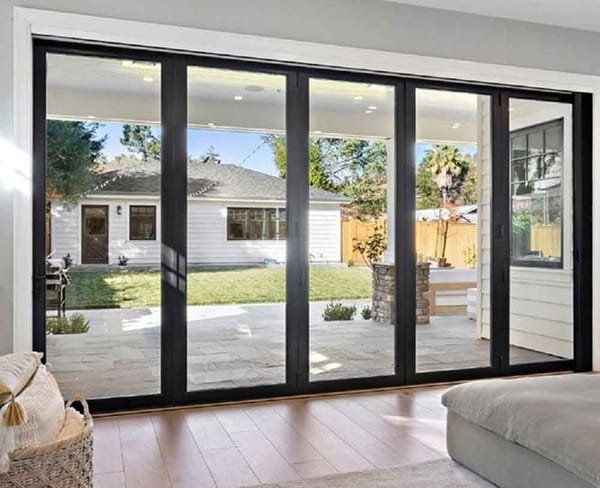
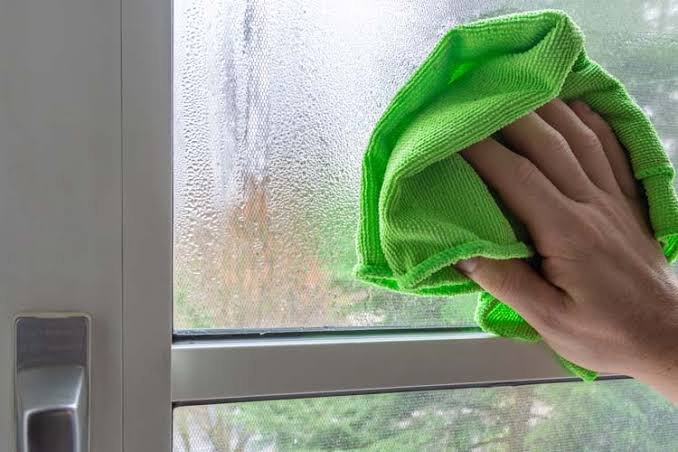
Wake up on a humid August morning in Mumbai or Chennai, and there’s a good chance the aluminum window frame in the bedroom is beaded with water before the day has even started — sometimes enough to leave a small puddle on the sill by the time anyone notices. This isn’t a leak, and it isn’t rain finding its way in. It’s condensation, and it happens because aluminum conducts temperature changes so efficiently that its interior surface can drop below the room’s dew point long before anyone would expect metal indoors to feel damp. Preventing condensation on aluminum window frames is less about fixing a fault and more about managing the gap between indoor humidity and a frame that reacts to outdoor temperature almost instantly.
Left unaddressed over a few seasons, that daily moisture becomes more than a cosmetic annoyance — it feeds mold on nearby walls and curtains, stains sills, and in older buildings, slowly damages the plaster and paint around the window opening.
Why Aluminum Frames Condense More Than Other Materials
The root cause is simple physics, even if the fix isn’t always obvious. Aluminum is an excellent conductor of heat, which means the frame’s interior surface temperature tracks very closely with the outdoor temperature rather than staying closer to room temperature the way wood or uPVC frames do.
- When warm, moisture-laden indoor air meets a frame surface that’s noticeably cooler than the room, the air can’t hold onto its moisture and it condenses as liquid water.
- This is most common during monsoon and the humid months leading into it, when indoor humidity is high and outdoor temperatures fluctuate quickly overnight.
- Coastal and high-humidity cities — Mumbai, Kochi, Chennai, Kolkata — see this far more often than drier regions like Delhi or Jaipur, where the air simply holds less moisture to begin with.
- Single-pane windows and standard (non-thermally-broken) aluminum frames are the most prone to this, since there’s nothing interrupting the direct heat transfer from outside to inside.
Understanding this mechanism matters because it points to two separate levers for fixing it: reducing indoor humidity, and reducing how cold the frame surface gets relative to the room.
Reducing Indoor Humidity at the Source
Since condensation only happens when there’s enough moisture in the air to begin with, cutting down humidity indoors is often the single most effective fix, and it’s usually the cheapest.
- Use exhaust fans in kitchens and bathrooms every time cooking or bathing generates steam, rather than only when the room feels visibly humid.
- Avoid drying wet laundry indoors near windows, especially during monsoon when outdoor drying isn’t an option — this adds a surprising amount of moisture to a room over several hours.
- Run a dehumidifier in rooms that consistently show condensation, particularly bedrooms with attached bathrooms or homes on lower floors near green spaces or water bodies.
- Keep indoor plants away from windows prone to condensation, since they release moisture through transpiration that adds to the local humidity near the glass.
- Ventilate rooms briefly each morning, even during monsoon, to let trapped humid air exchange with outside air rather than sitting stagnant against cold surfaces overnight.
None of these require touching the window itself, which makes them the logical starting point before spending money on hardware changes.
Improving Air Circulation Around the Frame
Stagnant air pockets near windows are a major contributor to localized condensation, even in rooms where overall humidity isn’t unusually high.
- Keep curtains or blinds slightly open, or use ones that don’t seal tightly against the frame — heavy curtains pressed against a cold frame trap humid air in a small pocket with no way to circulate.
- Position furniture, especially large wardrobes or bookshelves, a few inches away from window walls to avoid blocking natural air movement.
- Use a ceiling fan on low speed overnight in rooms with recurring condensation, since gentle air movement prevents moisture from settling in one spot long enough to condense.
- Avoid sealing a room completely airtight in an attempt to keep AC-cooled air in — some airflow exchange actually reduces localized humidity buildup near cold surfaces.
This is often the missing piece for homeowners who’ve already tried reducing humidity generally but still see condensation concentrated specifically around windows.
Upgrading the Frame and Glass Itself
When behavioral changes aren’t enough, especially in consistently humid cities, the frame and glazing specification becomes the more permanent solution.
- Thermally broken aluminum frames insert an insulating polyamide strip between the outer and inner metal sections, keeping the interior surface warmer relative to outdoor conditions and significantly reducing how often it drops below dew point.
- Double-glazed units add an insulating air or gas gap between two glass panes, which reduces heat transfer through the glass and indirectly helps the frame stay closer to room temperature too.
- Low-E (low-emissivity) glass coatings further reduce heat transfer, which can help in extreme humidity zones, though this is a more premium addition than most standard Indian residential projects use.
- For existing single-pane windows that can’t be replaced immediately, adding weatherstripping and ensuring a tight seal reduces the draft-driven temperature swings that make condensation worse.
This is a genuine cost-versus-benefit decision — replacing frames purely for condensation isn’t always justified if the issue is mild and manageable through humidity control, but for homes with persistent mold problems or health-sensitive occupants, it’s often worth the investment.
Dealing With Condensation That’s Already Happening
For frames that are already showing regular moisture, a consistent response prevents the follow-on damage even before a longer-term fix is in place.
- Wipe down the frame and sill each morning during humid months rather than letting water sit and evaporate on its own — standing moisture is what eventually stains aluminum and damages surrounding paint.
- Check weep holes (the small drainage slots along the frame’s base) periodically to make sure condensation water is draining out rather than pooling inside the track.
- Inspect nearby walls and curtains monthly during peak humidity season for early signs of mold, since catching it early is far easier to address than after it’s spread.
- Avoid placing wooden furniture or electronics directly beside windows with a known condensation problem until the underlying humidity issue is addressed.
This kind of routine response buys time to plan a proper fix without the interim period causing lasting damage to the room.
When Condensation Signals a Bigger Problem
Not all window moisture is simple condensation from indoor humidity — sometimes it points to something that needs more than a lifestyle adjustment.
- Condensation appearing between two panes of a double-glazed unit (rather than on the interior surface) indicates a failed seal, and the insulated glass unit itself needs replacing, not just cleaning.
- Persistent water at the base of the frame even during dry weather may indicate the window isn’t sealing properly against rain, rather than true condensation — worth checking during the next rain rather than assuming it’s humidity-related.
- Mold that keeps returning despite consistent cleaning and humidity control often means there’s a deeper ventilation issue in the room, sometimes tied to the building’s overall airflow rather than the window specifically.
- Frames that stay wet for most of the day, not just mornings, suggest humidity levels indoors are unusually high and worth addressing at the source — a dehumidifier or exhaust improvement rather than window-focused fixes.
Recognizing these distinctions avoids spending money on the wrong fix — replacing a window won’t solve a ventilation problem, and a dehumidifier won’t fix a failed glazing seal.
A Practical Starting Point
For most homes, the sensible order of action is to start with what costs nothing, and escalate only if the problem persists.
- Begin with humidity control — exhaust fans, ventilation, and moisture sources like laundry and plants.
- Improve air circulation around the window before assuming the frame itself is at fault.
- Monitor whether the issue is seasonal (limited to monsoon and humid months) or year-round, since that changes how urgently a frame upgrade is worth considering.
- Reserve frame or glazing replacement for homes where condensation is severe, recurring, or already causing mold and damage — not as the first response to occasional morning moisture.
Frequently Asked Questions
Q1. Is condensation on aluminum window frames a sign that the window was installed incorrectly?
Not usually — condensation is primarily driven by indoor humidity meeting a cold conductive surface, and it happens even with correctly installed windows, though poor sealing can sometimes make the problem worse by allowing more temperature fluctuation near the frame.
Q2. Will an air conditioner make condensation better or worse?
It depends on how it’s used — AC that cools the room without addressing humidity can actually worsen condensation by widening the gap between indoor air temperature and the frame’s surface temperature, so pairing AC use with a dehumidifier or good ventilation gives better results than AC alone.
Q3. Can I fix condensation with just a sealant or caulk around the window edges?
Sealant helps with drafts and air leaks around the frame’s perimeter, but it doesn’t address the core cause of condensation on the frame’s interior surface, so it’s a useful complementary step rather than a standalone fix.
Q4. How long does it take for condensation-related mold to become a real problem?
In consistently humid conditions with daily moisture left unaddressed, visible mold on nearby walls or curtains can appear within a few weeks, which is why wiping down affected areas regularly during monsoon matters even while a longer-term fix is being planned.