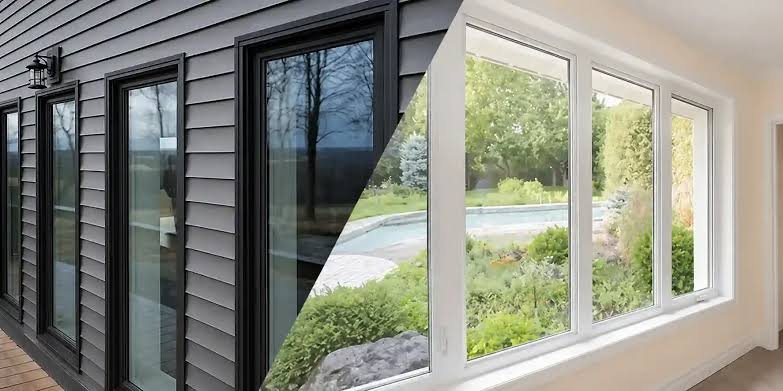
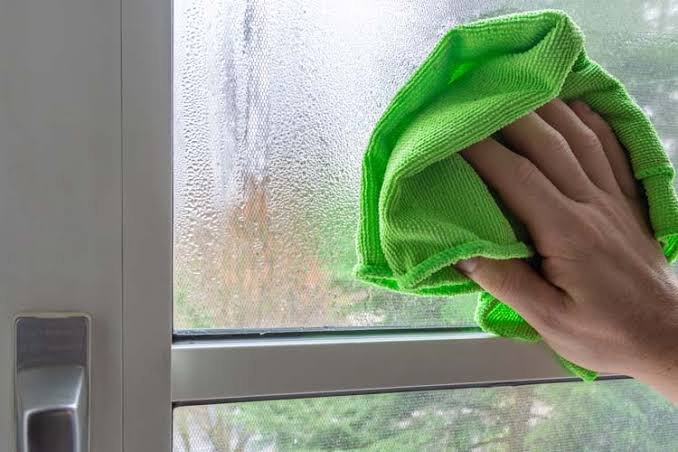
Walk into any hardware market in India — Chandni Chowk, Ahmedabad’s window fabricator lanes, Bengaluru’s building material hubs — and you’ll find aluminum dominating almost every stall, while vinyl (uPVC) windows are still explained to customers as the “newer option.” That imbalance says a lot about how the two materials are actually perceived here, but it doesn’t tell the whole story. Aluminum vs vinyl windows is a genuinely close contest once you factor in India’s climate extremes, from Delhi’s dust storms to Mumbai’s humidity to Rajasthan’s summer heat, and the right answer depends heavily on which part of the country a home sits in and what the windows need to withstand.
This comparison isn’t about picking a universal winner — it’s about understanding where each material genuinely outperforms the other, so the choice matches the actual conditions of the home rather than whatever the local dealer happens to stock more of.
The Core Difference: What Each Material Actually Is
Before comparing performance, it helps to know what’s structurally different between them.
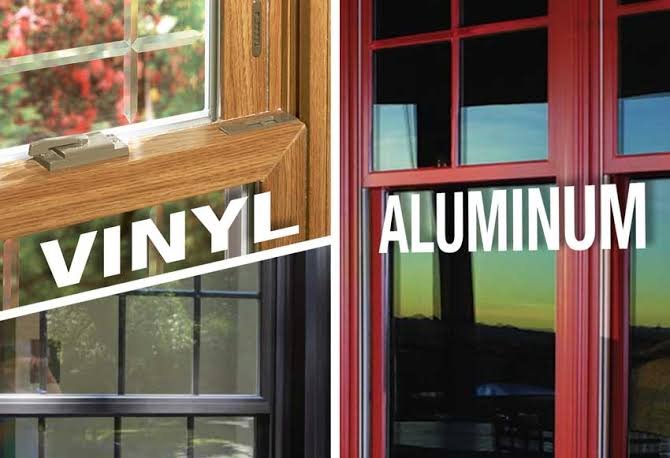
- Aluminum is a metal frame, usually extruded and then powder-coated or anodized for a finished look. It’s inherently strong relative to its weight, which is why it’s been the standard for Indian windows for decades.
- Vinyl (uPVC) is unplasticized polyvinyl chloride — a rigid plastic, often reinforced internally with steel or aluminum for larger window sizes. It’s a newer entrant to the Indian residential market compared to commercial and high-end housing where it’s been used longer.
The material itself drives almost every practical difference between the two — thermal behavior, weight, cost, and even how they age.
Thermal Performance: Where Vinyl Usually Wins
This is the single biggest differentiator, and it matters more in India than in most other markets because of how extreme summer temperatures get in the north and central regions.
- Aluminum conducts heat efficiently — that’s a useful property for cookware, but a poor one for window frames, since it transfers outside heat into the room (and vice versa in winter) far faster than vinyl does.
- Vinyl frames are naturally poor conductors, which keeps interior spaces more stable in temperature and reduces the load on air conditioning during peak summer months.
- Thermally broken aluminum (frames with an insulating strip separating the inner and outer metal sections) closes much of this gap, but it adds cost and isn’t yet common in mid-range Indian residential projects.
For homes in Delhi, Rajasthan, or central India where summer temperatures regularly cross 42–45°C, this difference in a home’s cooling bill over several years can be significant enough to influence the decision on its own.
Durability And Structural Strength
Aluminum has the clear edge here, and this is precisely why it remains dominant in Indian high-rises and commercial buildings.
- Aluminum frames handle large window spans and heavier glass (including double-glazed units) without sagging or needing internal reinforcement.
- Vinyl frames, being softer, need steel or aluminum reinforcement for anything beyond moderate sizes, which adds cost and partially erodes vinyl’s price advantage.
- Aluminum resists warping under intense heat far better than vinyl, which can soften or slightly distort on south- and west-facing windows exposed to direct sun for years.
- Vinyl, on the other hand, doesn’t dent or scratch as easily as aluminum’s coated finish, and has no metal surface to corrode.
For very large openings, balcony sliding doors, or ground-plus-several-storey buildings where wind load matters, aluminum is generally the safer structural choice.
Maintenance: A Closer Match Than People Assume
Both materials are often marketed as “low maintenance,” but the reality differs in the details.
- Aluminum needs periodic cleaning to prevent dust and pollution buildup from dulling the coating, along with occasional lubrication of sliding tracks and hardware.
- Vinyl doesn’t need repainting or coating refresh, since the color runs through the material rather than sitting on top of it, and it doesn’t oxidize the way aluminum’s finish can over a decade-plus.
- Vinyl can yellow slightly with prolonged UV exposure in very sunny regions, particularly cheaper or unstabilized formulations.
- Aluminum’s coating, if scratched, exposes the metal underneath and needs touch-up to prevent long-term dulling at that spot.
In practical terms, vinyl demands less routine attention, but aluminum’s maintenance needs are minor and manageable with basic home upkeep habits.
Cost Comparison In The Indian Market
Pricing varies significantly by city, brand, and window size, but some general patterns hold across most Indian markets:
- Standard aluminum windows are usually the cheaper entry option for basic residential use, which is part of why they remain so widespread.
- uPVC windows tend to sit in a similar or slightly higher price bracket once double-glazing and reinforcement are factored in, though pricing has become far more competitive as more Indian manufacturers have entered the space.
- Thermally broken or premium aluminum systems, designed to close the insulation gap, often cost more than standard vinyl.
- Long-term costs shift the comparison — vinyl’s better insulation can reduce cooling costs, while aluminum’s durability can mean fewer replacements over a building’s lifetime.
Because of this, the cheaper option upfront isn’t always the cheaper option over a 15–20 year ownership period, which is worth factoring in for anyone building rather than renting.
Sound Insulation And Noise Control
For homes near main roads, railway lines, or under flight paths — a real consideration in cities like Mumbai, Bengaluru, and parts of Delhi NCR — sound insulation often matters as much as thermal performance.
- Vinyl’s multi-chambered frame structure naturally dampens sound better than a solid aluminum profile.
- Aluminum can match or exceed vinyl’s sound performance when paired with laminated or double-glazed glass and proper sealing, but this pushes up the overall system cost.
- Gasket and seal quality affects both materials equally — a poorly sealed vinyl window can perform worse acoustically than a well-sealed aluminum one.
The frame material alone doesn’t decide this outcome as much as installation quality and glass specification do.
Aesthetics And Design Flexibility
- Aluminum offers slimmer sightlines, which appeals to modern architectural styles and gives a more minimal, contemporary look — common in newer apartment developments and villas.
- Aluminum is available in a wide range of powder-coated colors and finishes, including wood-textured coatings that mimic timber.
- Vinyl frames are inherently bulkier due to the material’s lower structural strength, which some homeowners find less sleek for large glass facades.
- Vinyl’s color options have expanded but are still generally more limited than aluminum’s, particularly for custom or architect-specified shades.
For homeowners prioritizing a sleek, modern facade — especially for balconies and large sliding sections — aluminum tends to be the preferred choice on appearance alone.
Which Climate Zones Favor Which Material
A few practical patterns emerge when Indian climate zones are factored in:
- Hot, dry regions (Rajasthan, Gujarat interior, parts of MP): Vinyl’s insulation advantage is most valuable here, reducing cooling loads during long, intense summers.
- Coastal and humid regions (Mumbai, Chennai, Kochi): Aluminum performs well since it doesn’t absorb moisture, though a good powder coat is essential to handle salt air; vinyl also holds up well in humidity without warping.
- Cold northern regions (Himachal, parts of Uttarakhand, J&K): Vinyl’s insulation reduces heat loss significantly compared to standard aluminum.
- Dense urban/high-rise settings: Aluminum’s structural strength makes it the more practical choice for larger window spans and taller buildings.
Making the Right Choice for Your Home
There’s no universally correct answer here — the decision usually comes down to a few practical trade-offs:
- Choose aluminum for larger openings, high-rise apartments, modern minimal aesthetics, and situations where budget favors the standard (non-thermally-broken) option.
- Choose vinyl for standalone homes in extreme climate zones, where energy efficiency and noise reduction matter more than ultra-slim frame profiles.
- Consider thermally broken aluminum as a middle ground if budget allows, combining aluminum’s strength with better insulation.
- Always factor in glass specification (single vs double-glazed) alongside the frame material, since glass often affects thermal and sound performance more than the frame itself.
Frequently Asked Questions
Q1. Does uPVC really make a noticeable difference in AC electricity bills compared to aluminum?
In hot regions with long summers, homeowners typically report a modest but real reduction in cooling load, though the exact savings depend on window size, orientation, and how well the rest of the home is insulated.
Q2. Can vinyl windows handle Indian summer heat without warping?
Quality uPVC formulations from established manufacturers are designed to withstand tropical heat without significant warping, but cheaper, unbranded vinyl products are more prone to softening or discoloring under prolonged direct sun.
Q3. Is aluminum a bad choice if my home is in a very hot city?
Not necessarily — pairing standard aluminum with double-glazed or low-E glass closes much of the insulation gap with vinyl, so the frame alone shouldn’t be the deciding factor if the glass specification is upgraded.
Q4. Which option holds resale value better for a home?
Aluminum’s slimmer, modern profile is generally viewed as more desirable in premium and high-rise real estate, while uPVC is increasingly valued in independent homes for its energy efficiency — the better choice depends on the type of property and buyer expectations in that specific market.