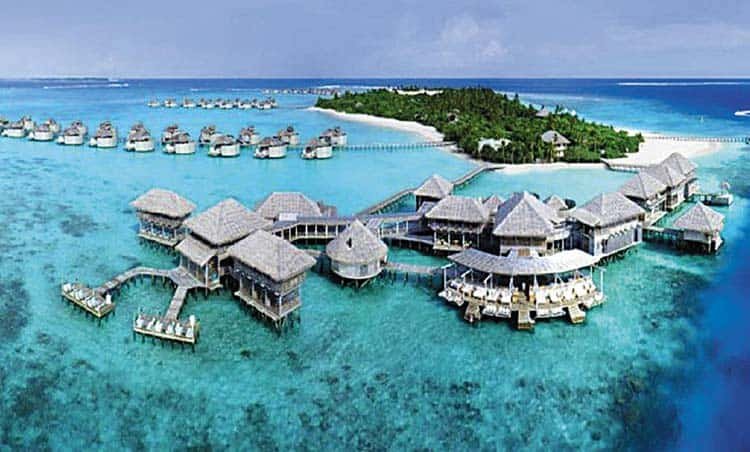
Lakshadweep is India’s most pristine and exclusive island destination — an archipelago of 36 coral atolls, islands, and reefs scattered across the Arabian Sea approximately 200 to 440 kilometres off the Kerala coast, collectively forming India’s smallest union territory. Famous for its extraordinary white sand beaches fringed with coconut palms, the crystal-clear turquoise lagoons with visibility reaching 30 to 40 metres to the coral reef below, the rich marine biodiversity of undisturbed coral ecosystems hosting manta rays, sea turtles, reef sharks, Napoleon wrasse, and hundreds of tropical fish species, and the untouched, unhurried Lakshadweepan culture of its 70,000 predominantly Muslim inhabitants, Lakshadweep offers a travel experience unlike anywhere else in India — genuinely remote, genuinely pristine, and genuinely unlike the familiar.
Choosing the best time to visit Lakshadweep is critical in a way that differs from most Indian destinations. The islands are accessible only by specific transport options, require advance permits, have strictly limited accommodation, and are completely cut off from casual sea travel during the monsoon season. Planning correctly ensures your island experience is everything these extraordinary atolls promise.
Lakshadweep Travel Overview
| Factor | Details |
| Best Overall Time | October to May |
| Peak Tourist Season | December to March |
| Cheapest Time to Visit | April to May |
| Best for Scuba Diving | October to May |
| Best for Snorkelling | November to April |
| Best for Water Sports | October to April |
| Best for Honeymoon | November to February |
| Best for Budget Travelers | April to May |
| Best for Marine Wildlife | October to March |
| Average Temperature | 20°C to 32°C year-round |
Why Timing Matters When Visiting Lakshadweep
Lakshadweep has two clearly defined seasons — a dry season from approximately October to May and a monsoon season from June to September. The distinction is not merely about rain — during the monsoon, high winds and rough seas make sea crossings genuinely dangerous, ferry services are cancelled or severely limited, boat-based water activities cease entirely, and most tour operators close operations completely. The monsoon is not merely inconvenient for Lakshadweep travel — for most practical purposes, it makes the islands inaccessible.
Combined with the permit requirement for all non-Lakshadweepan visitors and the extremely limited accommodation capacity across the permitted islands, timing and advance planning are more critical here than at virtually any other Indian destination.
Visiting Lakshadweep During Peak Dry Season (October to March)
The dry season is the only practical time to visit Lakshadweep for most travellers, and the October to March window represents the finest conditions the islands offer for beaches, water sports, marine life, and the overall island experience.
Weather During Peak Season
Temperatures range between 20°C and 30°C — warm and tropical but tempered by the consistent Arabian Sea breeze that keeps humidity comfortable. Seas are calm, underwater visibility is at its annual best, and long sunshine hours create the ideal conditions for all water-based activities.
Why Visit Lakshadweep in Peak Season?
- Sea conditions are calm allowing reliable ferry and speedboat connections between islands
- Underwater visibility reaches 30 to 40 metres — among the finest marine visibility in the Indian Ocean region
- Scuba diving, snorkelling, kayaking, glass-bottom boat tours, and deep-sea fishing all operate at full capacity
- Marine life including sea turtles, reef sharks, manta rays, and vast schools of tropical fish are most actively visible at the reef
- Beach conditions are pristine — white coral sand beaches with gentle, clear water lapping the shore
- The coral reef ecosystem is most accessible and photographically rewarding in this period
- All resort and cottage accommodation on the permitted islands is fully operational
Peak season is the most complete and most rewarding window for the Lakshadweep experience.
Best Islands to Visit
Agatti Island
The only island with a commercial airport — flights operate from Kochi — making Agatti the most accessible entry point. The island has a stunning lagoon with excellent snorkelling and diving, and its airstrip uniquely runs virtually parallel to the beach, creating an extraordinary landing experience.
Bangaram Island
Accessible from Agatti by speedboat, Bangaram is an uninhabited coral island with a single resort — making it the closest thing to a completely private island experience available in India. Surrounded by one of Lakshadweep’s finest coral reef systems, Bangaram offers exceptional diving and the most luxurious accommodation in the archipelago.
Kadmat Island
Known for its extraordinarily long beach stretching almost the full length of the island, and its excellent scuba diving site including a famous cavern dive, Kadmat is a popular choice for dive enthusiasts and beach lovers simultaneously.
Minicoy Island
The southernmost atoll, nearest to the Maldives in geography and cultural character, Minicoy has its own distinct language, traditions, and a beautiful lighthouse offering panoramic lagoon views. Its large lagoon and excellent diving make it one of the archipelago’s finest underwater destinations.
Advantages of Peak Season Travel
- Calm, clear sea conditions allow full access to all islands and marine activities
- Best underwater visibility of the year for diving and snorkelling
- All water sports and marine excursions fully operational
- Marine wildlife most actively visible at the coral reef
- Full accommodation and resort infrastructure operational across all permitted islands
Disadvantages
- December to February carries the year’s highest accommodation and package rates
- Limited accommodation means early advance booking is absolutely essential — often 2 to 3 months ahead for peak months
- Popular diving sites can be visited by multiple groups simultaneously during the peak tourist window
- Permit processing must be completed well in advance
The Permit System — Understanding This Before Booking
Every visitor to Lakshadweep — Indian and foreign national alike — requires an entry permit issued by the Union Territory Administration. This is a non-negotiable requirement that applies to every island in the archipelago.
Indian nationals apply for permits through registered travel agents empanelled with the Lakshadweep Administration or through the official SPORTS (Society for Promotion of Nature Tourism and Sports) organisation. Foreign nationals have more restricted access and can generally only visit Bangaram Island resort on a specific permit.
Permits specify which islands you can visit and for how long. Processing typically takes several days to weeks depending on the season. Most travellers book complete packages through registered operators who handle permit documentation as part of the booking — this is strongly recommended for first-time visitors as the permit and logistics coordination is complex.
Getting There: The two access routes are flight from Kochi to Agatti Island via Island Air or Alliance Air, which takes approximately 90 minutes, and government passenger ships from Kochi that take 14 to 20 hours depending on the destination island. The ship is significantly cheaper but requires planning flexibility around sailing schedules.
December to February — The Finest Months
December, January, and February represent the absolute best months for Lakshadweep — calm seas, optimum underwater visibility, the finest beach and snorkelling conditions, and the most complete operational status of all island facilities.
What Makes This Period Special?
- Sea surface temperatures of 28°C to 30°C make water activities supremely comfortable
- Underwater visibility at its peak — 35 to 40 metres on the best dive sites
- Manta ray sightings at cleaning stations near the atolls are most reliable
- Sea turtle nesting activity visible on certain beaches in the evening
- Calm lagoon conditions ideal for kayaking, glass-bottom boat viewing, and night-time bioluminescence watching
- New Year celebrations at Bangaram and other resorts create a festive atmosphere on what is otherwise an uncrowded island destination
Book December to February packages at least 2 to 3 months in advance — Bangaram and the better-known islands fill completely during this period.
Visiting Lakshadweep During Shoulder Season (April to May)
April and May represent the most underappreciated travel window for Lakshadweep — temperatures are slightly warmer at 29°C to 35°C and seas are calm enough for most water activities, but tourist numbers drop meaningfully from the December-March peak and accommodation rates ease noticeably.
Weather During Shoulder Season
Temperatures range between 29°C and 35°C — warmer than peak season but well within the range of comfort for water-based activities where sea temperature is more relevant than air temperature. Seas remain calm until the monsoon approaches in late May. The Arabian Sea breeze provides constant natural cooling.
Why Visit Lakshadweep in April to May?
- Accommodation rates drop 15 to 25 percent from December-March peak pricing
- Fewer tourists create a more exclusive, private island atmosphere
- Water sports and diving remain fully operational through April and most of May
- Underwater visibility remains good at 20 to 30 metres
- The coral reef blooms most intensely in warmer water temperatures
- Early May diving at Bangaram and Kadmat is particularly rewarding for macro marine life photography
April in particular is increasingly popular with experienced divers and snorkellers who have already done the peak season visit and want a quieter, more affordable return.
Advantages of Shoulder Season Travel
- Lower accommodation rates than peak season
- Fewer tourists create a more genuinely private island experience
- Water activities and diving remain fully operational through April
- Warmer water temperatures bring out different marine life species
Disadvantages
- Air temperatures above 32°C can make beach exposure uncomfortable in May
- Late May sees the approaching monsoon making booking flexibility advisable
- Underwater visibility slightly reduced from the December-March peak
Monsoon Season (June to September) — Understanding the Reality
Monsoon in Lakshadweep is not a travel option for conventional tourism. The Arabic Sea monsoon arrives with full force from June and dominates until September, bringing winds, rough seas, and conditions that make ferry crossings dangerous and most water activities impossible.
Why Monsoon is Not Recommended for Most Visitors
- Sea crossings become dangerous and ferry schedules are cancelled or severely reduced
- Most tour operators and water sports providers close operations completely
- The resort on Bangaram typically closes during the monsoon months
- Water visibility drops dramatically as suspended sediment clouds the lagoons
- Most inter-island speedboat services are suspended for safety
The Exception — Lakshadweep Resident Experience
For travellers with very flexible schedules and a genuine interest in the islands’ cultural life rather than marine activities, early October — as the monsoon recedes — can offer a profoundly different experience of the islands in their most natural, visitor-free state. The landscape is intensely green, coconut palms are at their most lush, and the islands’ fishing communities go about their lives with complete normalcy after months without tourism.
Best Time to Visit Lakshadweep for Different Travellers
For Honeymooners
November to February is the definitive honeymoon window — the calm, turquoise lagoons, the white sand beaches, the near-total absence of outside-world distraction, and the romantic exclusivity of India’s most remote island destination create a honeymoon experience with no mainland equivalent.
For Scuba Divers
October to May covers the full diving season with December to March providing the finest visibility. The coral reef system at Kadmat, Bangaram, and Minicoy offers wall dives, cavern dives, and open water diving with consistent encounters with sharks, rays, and sea turtles.
For Budget Travellers
April to early May offers the most affordable combination of operational water sports facilities with rates below the peak season premium. Government ship travel from Kochi dramatically reduces transport costs compared to flight access.
For Marine Wildlife Enthusiasts
October to March for manta ray encounters, sea turtle sightings, and reef shark observation. January and February are particularly noted for manta ray activity at cleaning stations near the atolls.
For Snorkellers and Beginners
November to February for the calmest lagoon conditions, clearest water, and the most varied and abundant shallow-reef marine life visible without scuba equipment.
Best Water Activities in Lakshadweep by Season
Lakshadweep’s activities are fundamentally water-based.
Ideal Months for Each Activity
Scuba Diving — October to May with peak visibility December to March. Snorkelling — October to April with best conditions November to February. Kayaking — October to April when lagoon conditions are calmest. Deep-Sea Fishing — October to March. Glass-Bottom Boat Tours — October to May. Night Bioluminescence Swimming — November to February on selected beaches.
Essential Travel Information
Permits
Required for all visitors. Apply through registered travel agents or SPORTS Lakshadweep well in advance of travel dates. Processing takes several days to weeks.
Accommodation
Extremely limited — Bangaram Island Resort, government-run tourist cottages on Kadmat and other islands, and a small number of homestay options. Total accommodation capacity across all permitted islands is minimal. Early booking — ideally 2 to 3 months ahead for December to March — is absolutely essential.
Getting There
Flight from Kochi to Agatti — approximately 90 minutes — is the fastest and most reliable access. Government passenger ships from Kochi offer significantly cheaper access with 14 to 20 hour crossing times on various routes.
Travel Tips for Visiting Lakshadweep
To make your Lakshadweep experience most rewarding, follow these essential guidelines:
- Apply for entry permits through a registered travel agent well in advance — at least 4 to 6 weeks before travel.
- Book accommodation and package tours at least 2 to 3 months ahead for December to February travel — total island capacity fills early.
- Use reef-safe sunscreen only — conventional sunscreen chemicals damage Lakshadweep’s fragile coral reef ecosystem and are environmentally irresponsible.
- Respect local cultural norms — Lakshadweep’s population is predominantly Muslim with conservative dress expectations outside designated beach areas.
- Alcohol is not freely available across most islands — Bangaram Island Resort has a licence; other islands are generally dry.
- Carry sufficient cash — banking infrastructure on the islands is extremely limited and card payments are not universally accepted.
- Practice responsible marine tourism — never touch or stand on coral, maintain distance from marine wildlife, and follow dive guide instructions meticulously.
Conclusion
The best time to visit Lakshadweep is between October and May, with October to March offering the finest overall conditions — calm seas, exceptional underwater visibility, the full range of water activities, and the most complete island resort experience. December to February is the absolute peak for those seeking the most pristine marine conditions and the most romantic island atmosphere.
April and May offer a compelling alternative for budget-conscious divers and snorkellers who want Lakshadweep’s extraordinary marine environment with fewer visitors and lower rates.
Lakshadweep is a destination that rewards careful planning more than almost any other Indian destination — permits, advance bookings, limited access routes, and seasonal closure all require attention. But for those who navigate the planning correctly, what awaits is something genuinely extraordinary: the Indian Ocean’s most pristine coral reef ecosystem, beaches of a quality that rivals any in the Maldives, and an island tranquillity that has been preserved precisely because access has always been controlled and limited.
Frequently Asked Questions
Q1. Do I need a permit to visit Lakshadweep?
A: Yes — all visitors, both Indian and foreign nationals, require an official entry permit issued by the Lakshadweep Administration. Apply through registered travel agents well in advance of your travel dates.
Q2. What is the best time for scuba diving in Lakshadweep?
A: October to May covers the full diving season, with December to March offering the best underwater visibility of 35 to 40 metres. April sees slightly reduced visibility but fewer divers and lower package rates.
Q3. Can I visit Lakshadweep during monsoon?
A: Not practically. From June to September, rough seas cancel ferry services, water activities cease, and most resort accommodation closes. Monsoon is not a viable travel window for conventional Lakshadweep tourism.
Q4. How do I reach Lakshadweep?
A: By flight from Kochi to Agatti Island, approximately 90 minutes, or by government passenger ship from Kochi with crossing times of 14 to 20 hours depending on the destination island. Most travellers book complete packages through registered operators who coordinate all logistics.
Q5. How many days are enough for Lakshadweep?
A: A minimum of 4 to 5 days is recommended to experience the lagoon, reef diving, beach relaxation, and inter-island snorkelling adequately. Extending to 7 days allows a more complete, unhurried island experience.