New Zealand is one of the world’s most extraordinarily beautiful and most geographically diverse travel destinations — an island nation of two long main islands at the bottom of the South Pacific that packs within its 268,000 square kilometres more landscape variety than countries ten times its size. Famous for the Lord of the Rings landscapes of the South Island’s Fiordland, the geothermal wonder of Rotorua’s boiling mud pools and spouting geysers, the Milford Sound’s sheer cliff walls rising from mirror-still fjord water, Queenstown’s position as the world’s adventure capital for bungee jumping, skydiving, and jet boating, the volcanic plateau of Tongariro National Park with its emerald crater lakes, Auckland’s Waitemata Harbour and sailing culture, the world’s most spectacular star-gazing at the Mackenzie Basin’s Aoraki Mackenzie International Dark Sky Reserve, the Coromandel Peninsula’s Cathedral Cove, and the wine regions of Marlborough, Central Otago, and Hawke’s Bay, New Zealand rewards every traveller who reaches this remote destination with experiences of natural grandeur, adventure excellence, Māori cultural depth, and food and wine quality that justify every hour of travel. Whether you are planning a South Island road trip, a Milford Sound cruise, a Tongariro Alpine Crossing, a Queenstown adventure circuit, a Marlborough wine tour, a Northland beach holiday, a skiing adventure on the Canterbury or Queenstown ski fields, or a Māori cultural immersion in Rotorua, choosing the best time to visit New Zealand shapes your weather, your activity access, your crowd experience, and the specific seasonal character that makes Aotearoa most complete for your travel purpose.
New Zealand Travel Overview
| Factor | Details |
| Best Overall Time | December to March (Summer) |
| Second Best Time | September to November (Spring) |
| Peak Tourist Season | December to February |
| Cheapest Time to Visit | May to August (Winter) |
| Best for Hiking and Outdoor Activities | October to April |
| Best for Skiing | June to September |
| Best for Milford Sound | Year-round with peak clarity October to April |
| Best for Honeymoon | January to March and November |
| Best for Families | December to February |
| Average Temperature | 5°C to 25°C (South Island) and 10°C to 28°C (North Island) |
Why Timing Matters When Visiting New Zealand
New Zealand operates on reversed seasons from the Northern Hemisphere — December to February is summer, June to August is winter. This inversion is the foundational planning consideration for all Indian and Northern Hemisphere visitors.
The country’s two main islands also experience meaningfully different conditions simultaneously — the North Island is generally warmer and more temperate year-round, while the South Island has a more dramatic seasonal range with alpine conditions creating ski fields in winter and some of the world’s finest hiking conditions in summer. Understanding both the hemisphere inversion and the North-South island difference transforms a good New Zealand itinerary into a perfectly timed one.
Visiting New Zealand During Summer (December to March)
New Zealand’s summer is the country’s most popular and most broadly rewarding travel season — the longest days, the warmest temperatures, the most complete access to the country’s extraordinary hiking trails, coastal beaches, and outdoor adventures, and the festive energy of a country on holiday.
Weather During Summer
North Island (Auckland, Rotorua, Wellington) temperatures range between 20°C and 28°C — warm and generally dry with long evenings until 9 PM in December. South Island (Queenstown, Fiordland, Canterbury) temperatures reach 20°C to 25°C with the warmest summer conditions though the South Island’s notorious changeability means four seasons in one day is genuinely common.
Why Visit New Zealand in Summer?
- The Tongariro Alpine Crossing — New Zealand’s most famous single-day hike, crossing the volcanic plateau between Mount Ngauruhoe and the emerald Emerald and Blue Lakes at 1,800 metres — is most safely and most spectacularly completed between November and April when snow has cleared from the track
- Milford Sound day cruises from Te Anau are most reliable in summer — while the fjord is genuinely dramatic in any weather, the summer window provides the most consistent blue-sky conditions for the sheer cliff and waterfall experience that defines this UNESCO World Heritage landscape
- Queenstown’s adventure circuit — bungee jumping, skydiving, jet boating, paragliding, and white-water rafting — operates at maximum capacity with the best weather windows
- The South Island’s Great Walks — the Milford Track, Kepler Track, Routeburn Track, and Rakiura Track — are at their most reliably accessible with the greatest hut availability from November to April
- New Zealand’s beaches — Bay of Islands, Coromandel, Abel Tasman, and Kaikōura — are at their warmest for swimming, kayaking, and coastal exploration
- Marlborough’s wine harvest in March is one of New Zealand’s most celebrated seasonal events — the Marlborough Food and Wine Festival in February is the country’s most popular food and beverage event
- Auckland’s Waitemata Harbour sailing culture is most actively alive in the long summer days
Summer is the most complete and most broadly rewarding New Zealand travel season.
Best Places to Visit
Fiordland and Milford Sound
The most dramatic natural landscape in New Zealand — approached through the 120-kilometre Milford Road from Te Anau through ancient beech forest and past mirror lakes — is most comfortably reached in summer when road conditions are most reliable and the fjord’s famous waterfalls flow from snowmelt and rainfall simultaneously.
Queenstown and Wanaka
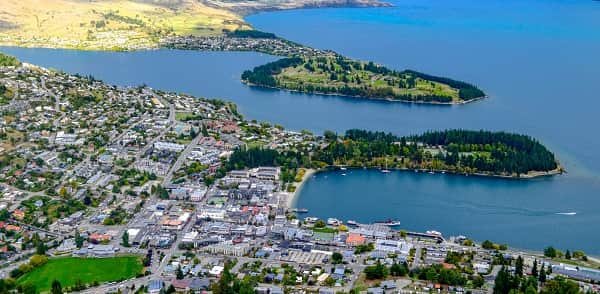
New Zealand’s adventure capitals are at their most vibrant and most fully operational in summer — all adventure activities at peak, the Remarkables and Mount Aspiring ranges clear against summer sky, and the Lakes Queenstown and Wanaka most beautifully reflecting the surrounding peaks.
Abel Tasman National Park
New Zealand’s most popular coastal track — the 60-kilometre Abel Tasman Coast Track — is most beautiful in summer when the golden beach, turquoise sea, and native bush are at their most inviting for kayaking, hiking, and water taxi island-hopping.
Bay of Islands — Northland
The 144-island bay at New Zealand’s northern tip is most perfectly warm for dolphin cruising, sailing, diving, and beach exploration from December to March — the closest thing to tropical warmth New Zealand offers.
Advantages of Summer Travel
- All major walking tracks and adventures fully accessible
- Longest daylight hours — up to 15 hours in December
- New Zealand’s beaches at their warmest for swimming
- Marlborough wine harvest and food and wine festival in February
- Complete Milford Sound access with most reliable blue-sky conditions
Disadvantages
- December to February is the busiest and most expensive period — Great Walk hut bookings sell out months ahead
- Queenstown and Milford Sound see maximum international visitor numbers
- Great Walk huts book out well in advance — Milford Track requires DOC booking many months ahead
- January school holidays in New Zealand and Australia create maximum domestic travel pressure
February and March — The Finest Summer Months
Late January through March represents the finest sweet spot of New Zealand’s summer — school holidays have ended in mid-January, but the summer weather continues warm and often at its most settled.
What Makes February and March Special?
- School holiday crowds have dissipated from mid-January — the Great Walks, Milford Sound, and Queenstown are far more peacefully experienced
- February is statistically New Zealand’s warmest and most settled month — the finest month for the Tongariro Alpine Crossing, Milford Sound, and the South Island’s outdoor circuit
- Marlborough Food and Wine Festival in February is one of the Southern Hemisphere’s most celebrated food and wine events
- March’s autumn colours begin appearing in Arrowtown and Central Otago — a uniquely beautiful seasonal transition visible in the South Island’s deciduous-planted gold mining towns
- Hotel rates begin easing from the January peak while conditions remain excellent
Visiting New Zealand During Autumn (March to May)
Autumn is New Zealand’s most underrated and — by local opinion — most genuinely beautiful season. The summer crowds retreat, the South Island’s deciduous trees turn brilliant gold and red, temperatures remain pleasantly warm through April, and the country returns to a pace that allows more intimate engagement with its extraordinary landscapes.
Weather During Autumn
North Island temperatures ease from summer highs to 15°C to 22°C — comfortable and generally settled. South Island temperatures drop from summer warmth to 10°C to 18°C — brisk but perfect for hiking and road trip exploration. May sees temperatures dropping further with increasing rainfall and the first alpine snowfall.
Why Visit New Zealand in Autumn?
- Arrowtown and Central Otago’s autumn colours — planted poplars, willows, and deciduous trees turn vivid gold, orange, and red in April creating the most photographed autumn landscape in the Southern Hemisphere
- All major hiking tracks remain accessible through April with dramatically reduced track bookings required
- Winery harvest season in Marlborough, Central Otago, and Hawke’s Bay — vineyard visits during the March-April harvest are most engaging
- Auckland, Wellington, and Christchurch are most pleasantly explored without summer crowds
- Whale watching at Kaikōura reaches its most consistent season — the resident sperm whale population is most reliably sighted year-round but autumn conditions for the boat excursion are excellent
Popular Autumn Attractions
Arrowtown Autumn Festival
Held in April, the Arrowtown Autumn Festival celebrates this beautifully preserved gold mining town’s most colourful season with a four-day community festival featuring heritage walks, food, wine, and the most stunning backdrop of gold-coloured poplars lining the Arrow River that any New Zealand town offers.
Central Otago Autumn Drive
The road between Queenstown, Wanaka, and Cromwell through the Kawarau Gorge and the Clutha Valley is lined with autumn gold from April — one of the Southern Hemisphere’s finest autumn colour drives along with stone fruit orchard harvests from Cromwell’s famous orchards.
Advantages of Autumn Travel
- Arrowtown and Central Otago autumn colours are uniquely and genuinely spectacular
- All major tracks still accessible without full summer booking competition
- Harvest season at New Zealand’s wine regions
- Accommodation rates below summer peak
- The most relaxed and most personally rewarding pace for exploring New Zealand’s landscapes
Disadvantages
- May temperatures drop significantly — winter approaches from the south
- Great Walks and some tracks become more challenging in late April and May
- Queenstown ski fields not yet open — those coming for skiing must wait for June
Visiting New Zealand During Winter (June to August)
New Zealand winter is a divided experience — genuinely cold in the South Island’s alpine regions with excellent ski conditions, milder in the North Island’s cities and Northland, and the country’s quietest and most affordable travel period.
Weather During Winter
North Island (Auckland) temperatures stay mild at 10°C to 15°C — cool but manageable. Wellington is cold and famously windy. South Island lowland temperatures drop to 5°C to 12°C with regular snowfall above 800 metres. Queenstown’s ski fields receive excellent snow from June through September.
Why Visit New Zealand in Winter?
- Skiing and snowboarding at Queenstown’s Remarkables and Coronet Peak, Wanaka’s Cardrona and Treble Cone, and Canterbury’s Mt Hutt are at their prime from June to September — New Zealand’s ski fields offer some of the Southern Hemisphere’s finest winter sports
- Accommodation rates are dramatically lower — winter is the year’s most affordable travel period for all categories
- The Southern Lights (Aurora Australis) — most active from June through September in the dark skies of the Mackenzie Basin and Southland — provide the Southern Hemisphere’s equivalent of the Northern Lights in extraordinary clarity
- Rotorua’s geothermal sites — Whakarewarewa, Hell’s Gate, Wai-O-Tapu — are most atmospherically enjoyed in the cool, misty winter air
- Kaikōura whale watching is excellent year-round and winter provides the most dramatic moody-sky backdrop
- Hokitika Gorge on the West Coast is most dramatically turquoise against winter-grey surroundings
Best Winter Destinations
Queenstown Ski Season
The world’s most scenically dramatic ski resort setting — skiing above Queenstown with Lake Wakatipu and the Remarkables range as backdrop — makes New Zealand’s ski season uniquely rewarding beyond just the snow conditions. June through August provides the most reliable snow cover at the Remarkables, Coronet Peak, Cardrona, and Treble Cone.
Aurora Australis Viewing
The Mackenzie Basin in the South Island — centred on Lake Tekapo, the Mount John Observatory, and the Aoraki Mackenzie International Dark Sky Reserve — offers some of the world’s finest Aurora Australis viewing on clear winter nights from June through September.
Rotorua in Winter
The geothermal landscape — boiling mud pools, spouting geysers, steaming lakes — is most atmospherically vivid in winter when the steam is most dramatically visible against cool air and the Whakarewarewa thermal village’s cultural demonstrations are most intimately experienced without summer crowds.
Advantages of Winter Travel
- Ski season at its finest — Queenstown and Wanaka’s ski fields among the Southern Hemisphere’s best
- Aurora Australis most reliably visible in the Mackenzie Basin
- Lowest accommodation rates of the year
- Rotorua’s geothermal sites most atmospherically experienced
- The country’s quietest and most personally rewarding travel pace
Disadvantages
- Tongariro Alpine Crossing is closed in winter and early spring due to snow and ice conditions
- Great Walks are not accessible in their summer form — winter conditions make most challenging
- South Island temperatures genuinely cold — 5°C in Queenstown in July
- Milford Sound road conditions can be affected by winter snowfall
Visiting New Zealand During Spring (September to November)
Spring is the season that local New Zealanders most consistently recommend to visitors — warming temperatures, the country’s famously enthusiastic spring lamb season, early wildflowers on the alpine meadows, and all outdoor activities progressively reopening without the full summer crowd.
Weather During Spring
North Island temperatures rise progressively from 12°C to 18°C in September to 18°C to 23°C by November. South Island temperatures warm from 8°C to 15°C in September to 14°C to 20°C in November. Snow retreats from lower elevations through October with the higher alpine tracks opening progressively.
Why Visit New Zealand in Spring?
- The Tongariro Alpine Crossing reopens progressively from October as snow clears from the volcanic plateau — early season crossings with snow still on the surrounding cones and clear blue sky are among the most dramatic versions of this famous hike
- Abel Tasman, the Heaphy Track, and other Great Walks reopen with availability before the December booking rush
- Spring lambing from August to October transforms New Zealand’s farmland landscapes into the most quintessentially pastoral versions of Aotearoa
- Cherry blossoms in Central Otago and Northland orchards in September create beautiful seasonal colour
- Accommodation availability and rates are better than summer peak while conditions are increasingly excellent from October
- The Southern Lights fade as nights shorten but clear spring nights in the Mackenzie Basin still provide excellent stargazing
Advantages of Spring Travel
- Tongariro Crossing reopens from October — early spring versions are most dramatic
- Great Walks available before the peak December booking rush
- Spring lambing season creates the most pastoral New Zealand landscape character
- Accommodation rates below summer with progressively improving conditions
- The most locally recommended alternative to the summer peak
Disadvantages
- September is still genuinely cold in the South Island
- Some tracks remain closed until the snow fully clears in October
- Spring weather can be unpredictable — “four seasons in one day” is most pronounced in the spring transition
Best Time to Visit New Zealand by Activity
Great Walks Hiking
October to April — the six most famous Great Walks (Milford Track, Kepler, Routeburn, Tongariro Northern Circuit, Abel Tasman, and Rakiura) require advance DOC hut booking from October to April. Outside this window most are walk-in or closed.
Skiing and Snowboarding
June to September at Queenstown, Wanaka, and Canterbury ski fields. Peak season is July and August.
Whale Watching at Kaikōura
Year-round — resident sperm whales are present throughout the year. October to April offers the most settled sea conditions for the boat excursion.
Aurora Australis
June to September in the Mackenzie Basin dark sky reserve — most active during winter’s longest nights.
Wine Region Visits
February to April — the Marlborough Sauvignon Blanc harvest (March), Central Otago Pinot Noir harvest, and Hawke’s Bay red wine harvest coincide for the richest and most engaging wine country experience.
Festivals and Events in New Zealand
Marlborough Food and Wine Festival
Held annually in February at Brancott Estate winery in Blenheim — New Zealand’s most celebrated food and wine event showcasing the Marlborough region’s world-famous Sauvignon Blanc alongside New Zealand’s finest artisan food producers.
Matariki — Māori New Year
Matariki is the Māori New Year celebration marking the rising of the Pleiades star cluster in the winter night sky — now a national public holiday celebrated in late June or early July with cultural events, stargazing ceremonies, and the most significant annual celebration of New Zealand’s indigenous Māori heritage.
Arrowtown Autumn Festival
Held in April featuring heritage celebrations, wine, food, and the South Island’s finest autumn colour display — one of New Zealand’s most atmospheric community festivals.
Travel Tips for Visiting New Zealand
To make your New Zealand trip most rewarding, consider these practical guidelines:
- Book Great Walk hut passes through the Department of Conservation (DOC) website as early as possible for October to April season — Milford Track in particular sells out within days of the booking window opening.
- New Zealand drives on the left — an essential reminder for Indian visitors, and the country’s road trip culture makes self-drive rental the primary recommended mode of exploration.
- Weather changes rapidly especially in alpine and coastal areas — always carry waterproof gear, a warm layer, and sunscreen regardless of the forecast.
- Inter-island ferries between Wellington and Picton (the Interislander and Bluebridge services) cross the Cook Strait in 3 to 3.5 hours — the most scenic ferry crossing in Australasia through the Marlborough Sounds’ fjord-like inlets.
- The New Zealand Electronic Travel Authority (NZeTA) is required for Indian passport holders — apply online at least 72 hours before departure.
- Campervanning is New Zealand’s most celebrated mode of independent travel — particularly rewarding for the South Island’s freedom camping network.
- Respect the Māori cultural protocols at marae (meeting grounds), sacred sites, and cultural performances — New Zealand’s indigenous culture is living and actively practised, not simply historical.
Conclusion
The best time to visit New Zealand is during summer from December to March — when all the country’s extraordinary outdoor experiences from the Tongariro Alpine Crossing to the Milford Track to Queenstown’s adventure circuit are simultaneously accessible in the longest days and warmest temperatures of the year. February and March represent the finest sweet spot — summer conditions without January’s school holiday crowds and with the first hints of Central Otago’s extraordinary autumn colour appearing.
For specific purposes, winter (June to August) for skiing at Queenstown and Aurora Australis viewing in the Mackenzie Basin, and spring (September to November) for the local-recommended combination of reopening tracks, lambing season landscapes, and below-peak prices each offer compelling alternatives to the summer consensus.
Whether you come for the Milford Track, the Tongariro Crossing, Queenstown’s bungee jump, the Marlborough wine harvest, Arrowtown’s autumn gold, the Aurora Australis above Lake Tekapo, the Māori cultural experience of Rotorua, the whale watching at Kaikōura, or simply the experience of driving through a country that looks genuinely made for the screen, New Zealand will exceed every expectation in every season — the only question is which version of this extraordinary destination you want to encounter first.
Frequently Asked Questions
Q1. What is the best month to visit New Zealand?
A: February is considered the finest single month — the warmest and most settled weather, summer school holidays over, Marlborough Food and Wine Festival, and all hiking tracks and adventures at full operation with below-January crowd levels.
Q2. When is the Tongariro Alpine Crossing accessible?
A: Approximately October to April when snow and ice have cleared from the volcanic plateau. The crossing is closed in winter due to dangerous ice conditions. Always check current DOC track conditions before attempting, even in summer.
Q3. When is skiing best in New Zealand?
A: June to September is the ski season, with July and August providing the most reliable snow depth at Queenstown’s Remarkables and Coronet Peak, Wanaka’s Cardrona and Treble Cone, and Canterbury’s Mt Hutt.
Q4. Is New Zealand good to visit in winter?
A: Yes, for specific experiences — the ski season is excellent, Aurora Australis viewing in the Mackenzie Basin is at its finest, and accommodation rates are the year’s lowest. Hiking trails are largely closed but cities, Rotorua, and Kaikōura are fully accessible.
Q5. How many days are enough for New Zealand?
A: A minimum of 14 days covers the North Island highlights (Auckland, Rotorua, Tongariro, Wellington) and the South Island essentials (Queenstown, Milford Sound, Fiordland). Extend to 21 days for a more relaxed, comprehensive experience including Marlborough, Abel Tasman, and the West Coast.