Market players have an exciting chance to invest in firms during their early stages of public growth through Initial Public Offerings (IPOs). But picking a popular company name at chance is not enough to effectively handle the big market. Savvy investors know that tracking an issue from bidding to listing is critical to maximizing potential portfolio gains.
What Are Public Offerings?
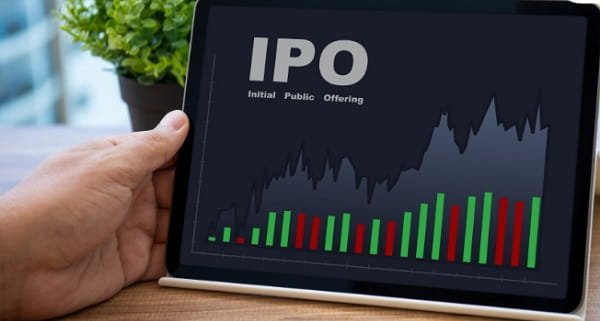
When a privately owned company decides to make fresh shares available to the public, this is known as a public offering. This change gives early-stage businesses a realistic exit route while allowing the company to receive major growth funds. Consequently, retail individuals, institutional buyers, and high-net-worth entities can buy equity stakes, becoming active shareholders in the process.
Why Monitor Public Offerings?
Monitoring a public issue provides critical data about institutional sentiment and the broader market demand for corporate stock. Tracking live operational data points prevents investors from committing hard-earned capital to issues experiencing extremely weak public interest. Continuous oversight helps you gauge early trading momentum and effectively predict potential price appreciation on listing day.
Key Factors to Track
- Price Band: The designated price range sets the baseline valuation and directly influences retail investor participation levels.
- Issue Size: The total volume of equity shares offered determines overall liquidity and initial market availability.
- Institutional Bids: Strong backing from qualified institutional buyers usually signals deep underlying corporate strength and stability.
- Grey Market Premium: Unofficial market premiums offer early hints regarding expected listing gains before official exchange trading begins.
Tools and Platforms for Monitoring Offerings
Modern primary market investors rely heavily on advanced digital dashboards, exchange web portals, and dedicated stock brokerage applications. Leading broker platforms like Choice provide integrated tracking features that simplify the entire public offering investment journey. By giving real-time information, these modern digital technologies ensure that retail players never miss important deadlines for payments or laws.
How to Evaluate an Offering
An investor must study the lengthy Red Herring Prospectus presented to SEBI in order to perform a full analysis of an offering. The true fundamental value of the company is revealed by studying key financial records, debt-to-equity ratios, and competitive industry landscapes. Checking the IPO subscription status live during the bidding window helps confirm if market demand matches your internal evaluation.
Common Mistakes to Avoid
- Applying for an issue based solely on media hype without conducting independent financial research on company fundamentals.
- Forgetting to verify the final IPO allotment status directly through the designated registrar portal after bidding closes.
- Overlooking the specific lock-in periods mandated for anchor investors, which can trigger sudden post-listing stock volatility.
- Ignoring the IPO subscription status live figures, which frequently leads to investing in severely under-subscribed public offerings?
Tips for Successful Monitoring
- To understand the full spread of demand, keep track of buying numbers across retail, institutional, and non-institutional groups.
- Bookmark the official registrar website to ensure you can check your IPO allotment status instantly using your PAN.
- Maintain sufficient funds in your linked bank account to ensure smooth ASBA blockage and avoid application rejection.
- Before the stock starts, plan your listing day selling strategy by studying the final IPO assignment status.
Conclusion
It takes constant attention to detail, data-driven analysis, and the proper tracking tools to successfully manage the main market. Monitoring final assignments and buying trends ensures that your market operations stay extremely safe and organized. Selecting a reliable broker ensures that you will receive prompt details, helping you in building long-term, sustainable wealth through public offers.