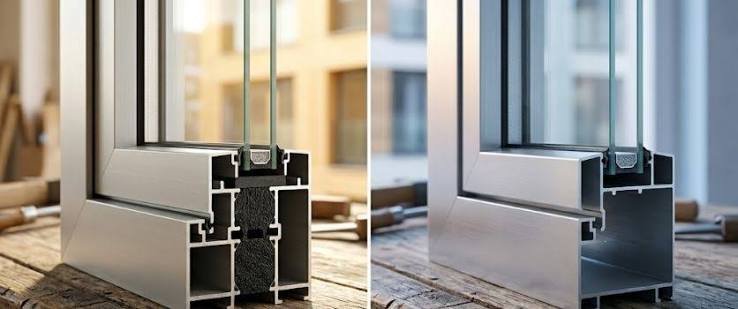
A single pane aluminum window that was installed 20-25 years ago in most Indian homes was never built with today’s climate extremes or energy costs in mind — it was built to be functional and affordable, full stop. That’s exactly why so many older apartments and independent houses across Delhi, Pune, Chennai, and smaller cities still have the original thin aluminum frames with a single sheet of glass, rattling slightly every monsoon and doing very little to keep out summer heat. The question of when to replace old single pane aluminum windows isn’t always obvious, because these windows rarely fail suddenly — they degrade slowly enough that homeowners adjust to the discomfort without realizing how much has changed.
Knowing the actual signs worth acting on, rather than replacing on a fixed timeline, saves money and avoids either tearing out windows that still have life left or living with ones that are quietly costing more in electricity and comfort than a replacement would.
Why Single Pane Aluminum Windows Age Differently Than Expected
Unlike double-glazed or uPVC systems, single pane aluminum windows have almost no insulating barrier — just one layer of glass and a metal frame that conducts heat rapidly. That design wasn’t a flaw when they were installed; it was standard practice for decades. But two things have changed since then:
- Indian summers have gotten measurably hotter in many regions, increasing the cooling burden these windows place on air conditioning.
- Newer window technology (double glazing, uPVC, thermally broken aluminum) has made the performance gap between old and new far more noticeable than it used to be.
This means a 20-year-old single pane window isn’t failing in the traditional sense — it’s simply outdated relative to what’s now achievable, which changes how “replacement time” should be judged.
Signs the Frame Itself Has Reached the End of Its Life
Some issues point specifically to the aluminum frame failing structurally, not just the glass being inefficient.
- Visible pitting or corrosion on the frame, especially in coastal cities like Mumbai, Chennai, or Kochi, where salt air accelerates surface damage over decades.
- Frames that no longer close flush, leaving visible gaps even when the window is fully shut — often a sign the frame has warped slightly from years of thermal expansion and contraction.
- Persistent difficulty sliding or locking, even after cleaning and lubricating the tracks, which usually means the frame or rollers have worn beyond simple maintenance fixes.
- Cracked or brittle seals that keep failing shortly after replacement, suggesting the frame’s channel has degraded to the point where new seals won’t hold properly.
- Water actively entering the room during heavy rain, rather than just condensation — this is a structural failure, not a cosmetic one, and shouldn’t be ignored through another monsoon season.
If two or more of these are present, the frame has likely moved past the point where repair makes financial sense.
Signs It’s the Glass and Performance, Not Just the Frame
Sometimes the frame is structurally fine, but the single pane glass itself is the real problem.
- Rooms with these windows feel noticeably hotter than the rest of the home during peak summer afternoons, even with curtains or blinds drawn.
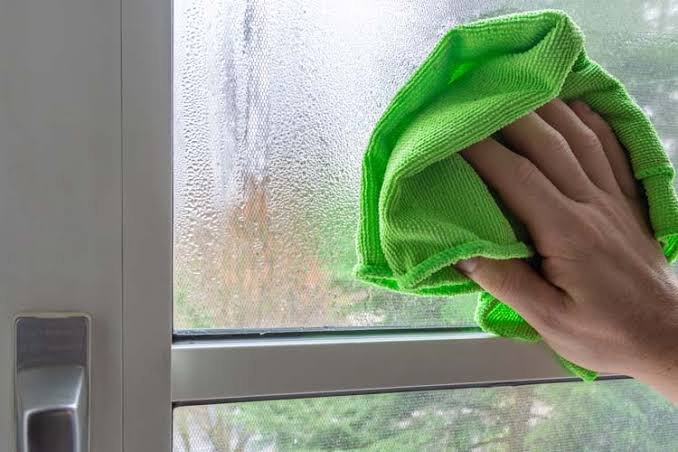
- Condensation regularly forms on the inside of the glass during monsoon or early winter mornings, a telltale sign of poor insulation.
- Outside noise — traffic, construction, neighbors — comes through far more than it should, since single glazing offers minimal sound dampening.
- Energy bills have crept up over the years without a clear explanation, and the home’s cooling load seems disproportionate to its size.
In these cases, homeowners sometimes assume the AC or the building’s orientation is to blame, when the windows themselves are a major contributor.
The Real Cost of Waiting Too Long
Delaying a window replacement past the point of real need tends to compound the problem rather than simply postpone an expense.
- Energy costs accumulate silently. A poorly insulating window doesn’t show up as a single large bill — it shows up as a slightly higher AC bill every month for years, which adds up to far more than most homeowners estimate.
- Water damage spreads beyond the window itself. Persistent leaks around an aging frame can damage the wall plaster, flooring, and even electrical wiring nearby if left unaddressed.
- Structural frame failure can damage the wall opening. In severe cases, a warped or corroded frame that’s forced open repeatedly can widen or crack the surrounding masonry, turning a window job into a larger repair.
- Resale value takes a hit. Buyers and brokers in most Indian metro markets now factor window condition into their assessment of a flat or house, particularly in mid-to-premium segments.
None of these costs are urgent in the way a burst pipe is, which is exactly why they’re so easy to underestimate until the numbers are added up.
When Repair Still Makes More Sense Than Replacement
Not every issue warrants full replacement, and it’s worth being honest about which problems are genuinely minor.
- Loose or squeaky hardware, sticky tracks, or minor rattling can usually be fixed with cleaning, lubrication, and tightened fasteners — not a sign the window needs replacing.
- A single cracked pane on an otherwise sound frame can often be reglazed rather than replacing the entire unit.
- Cosmetic dulling of the aluminum finish, without pitting or corrosion underneath, can be addressed with polishing or refinishing.
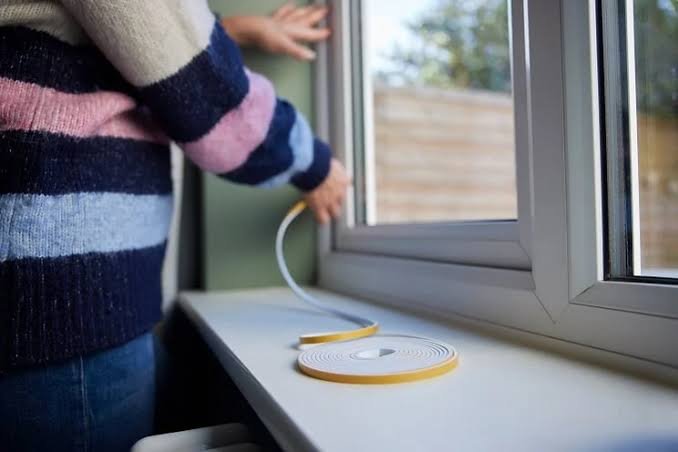
- Minor draughts around the frame edge are frequently a sealing issue, fixable with fresh weatherstripping rather than a full window swap.
Replacing a window that only needs a seal or a service visit is an unnecessary expense — the signs above are meant to separate genuine end-of-life issues from routine upkeep.
What to Consider Before Replacing
Once the decision leans toward replacement, a few practical factors shape what comes next.
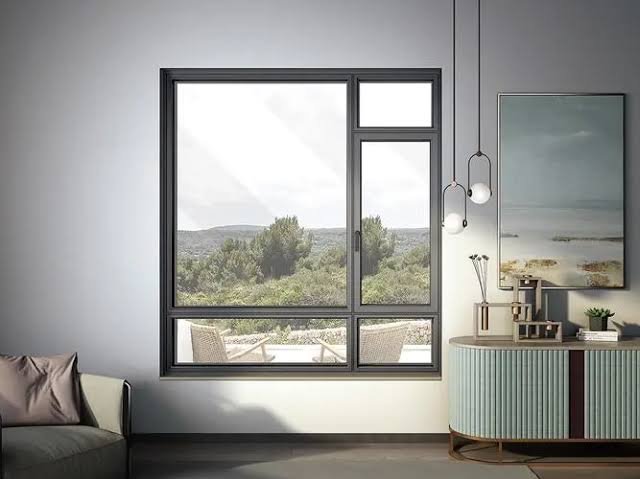
- Frame material choice matters again. Homeowners often use this as an opportunity to move to uPVC or thermally broken aluminum rather than replacing like-for-like with standard single pane aluminum.
- Glazing type should match the climate zone. Double glazing helps significantly in hot, dry regions and cold northern areas; in coastal humid cities, the frame’s corrosion resistance matters as much as the glass.
- Society or building approval may be required. In many Indian apartment complexes, exterior-facing window replacements need RWA or builder approval, particularly if the new frame’s appearance or color differs from the building standard.
- Local fabricators versus branded systems is a real trade-off — local aluminum fabricators are typically cheaper and faster, while branded uPVC or aluminum systems often come with better sealing technology and longer warranties.
- Timing around monsoon matters. Scheduling replacement work well before monsoon avoids the risk of an incomplete installation being exposed to heavy rain.
A Practical Way to Decide
For homeowners unsure whether their situation warrants replacement now or can wait, a simple gut check helps:
- If the frame shows structural damage (corrosion, warping, persistent leaks) — replacement is the right call, regardless of budget timing, since delaying risks further damage.
- If the frame is sound but the glass is clearly underperforming (heat, noise, condensation) — replacement can be planned rather than urgent, timed around budget and season.
- If the issues are limited to hardware, seals, or cosmetic wear — repair and maintenance is the more sensible route for now.
Windows rarely announce their failure clearly, so treating this as a periodic assessment — checked every few years rather than only when something visibly breaks — tends to catch problems while repair is still an option.
Frequently Asked Questions
Q1. Is there a general age after which aluminum windows should be replaced regardless of condition?
There’s no fixed number that applies to every home, but most single pane aluminum windows installed 20+ years ago are worth a proper inspection, since coating degradation and seal wear typically become significant by that point even without obvious symptoms.
Q2. Can I just replace the glass with double glazing and keep the old aluminum frame?
It depends on the frame’s condition and design — some older frames aren’t built to hold the extra weight and thickness of double-glazed units, so a fabricator needs to assess whether the existing frame can be retrofitted or whether the frame needs replacing along with the glass.
Q3. Will replacing old windows actually lower my electricity bill noticeably?
Homes in hot regions with large single-pane window areas often see a measurable drop in cooling costs after switching to better-insulating windows, though the exact savings depend on how much of the home’s exterior wall area the windows cover and the AC usage pattern.
Q4. How do I know if a leak is coming from the window frame versus the wall around it?
Watch where water first appears during rain — if it tracks along the bottom frame edge or pools at the sill, it’s usually the window; if it seeps from the wall plaster above or beside the frame with the window itself staying dry, the issue is more likely the external wall sealing rather than the window itself.