Mount Abu is Rajasthan’s only hill station — a green, forested plateau rising dramatically from the barren Aravalli desert landscape to 1,220 metres at its highest accessible point, serving as the only cool respite in a state otherwise defined by its hot, arid character. Situated in the Sirohi district at the southern tip of the Aravalli Range, where Rajasthan meets Gujarat, Mount Abu has been a sacred and a strategic place since antiquity — Hindu and Jain pilgrims have climbed these hills for centuries to reach the Dilwara Temples, considered the finest examples of marble temple architecture in India and among the finest anywhere in the world, the Achalgarh Fort and its ancient Brahma Kumari religious significance, the Guru Shikhar peak at 1,722 metres — the highest point in the Aravalli range — and the peaceful Nakki Lake at the town’s centre. Famous for the Dilwara Temples’ astonishing marble ceiling panels so finely carved they appear to be lace, the Nakki Lake boat rides through the surrounding greenery, the Sunset Point panorama over the Gujarat plains, the Mount Abu Wildlife Sanctuary’s dense forest home to leopards, sloth bears, and wild boars, the Brahma Kumaris World Spiritual University campus, and Rajasthan’s only hill station character — a world away from the desert palaces and sand dunes of Jaisalmer or Jodhpur — Mount Abu offers a genuinely distinctive Rajasthan experience that surprises visitors who come expecting more of the same dry landscape. Whether you are planning a Jain pilgrimage to Dilwara, a nature and wildlife sanctuary exploration, a family summer hill station holiday, a romantic winter retreat, a monsoon landscape escape, or a cultural immersion in Rajasthan’s spiritual and royal heritage at cooler altitudes, choosing the best time to visit Mount Abu determines your weather comfort, your festival access, and the specific character of what this hill station has to offer.
Mount Abu Travel Overview
| Factor | Details |
| Best Overall Time | October to March |
| Peak Tourist Season | November to February and April to June |
| Cheapest Time to Visit | July to September |
| Best for Sightseeing | October to March |
| Best for Winter Festival | December |
| Best for Wildlife | October to March |
| Best for Honeymoon | October to February |
| Best for Families | April to June |
| Best for Budget Travelers | July to September |
| Average Temperature | 4°C to 33°C (varies by season) |
Why Timing Matters When Visiting Mount Abu
Mount Abu’s unique position as Rajasthan’s only hill station creates a specific timing dynamic — it serves simultaneously as a cool summer escape for Rajasthan’s plains-dwelling families, a winter retreat for visitors seeking the hill station’s cooler character, and a monsoon destination for those drawn to the green landscape that this desert state almost never otherwise produces. Each purpose has its optimal season, and understanding which reason brings you to Mount Abu determines the ideal timing of your visit.
Visiting Mount Abu During Winter (October to March)
Winter is the most recommended and most broadly rewarding time to visit Mount Abu — the most comfortable temperatures for sightseeing, the wildlife sanctuary’s most productive season for animal encounters, and the famous Winter Festival in December that brings Rajasthan’s finest folk culture to the hill station’s Nakki Lake.
Weather During Winter
Temperatures range between 4°C and 22°C — genuinely cool for Rajasthan with December and January evenings occasionally dropping toward 4°C. Unlike Shimla or Manali, Mount Abu does not receive snowfall — but the winter evenings are genuinely cold by Rajasthan standards and warm clothing is essential. Days are mostly sunny and clear with excellent visibility.
Why Visit Mount Abu in Winter?
- The Dilwara Temples — the finest marble temples in India, requiring close visual inspection of ceiling panels so intricately carved they appear impossible — are most comfortably explored in the cool winter air without the heat that makes extended standing and looking upward exhausting in summer
- Mount Abu Wildlife Sanctuary is most productive in winter — leopards, sloth bears, wild boars, hyenas, Indian foxes, and Marsh Crocodiles at Trevor’s Tank are most actively sighted in the cool dry season when vegetation thins and animals concentrate near water
- The Winter Festival in late December — organised by the Rajasthan Tourism Development Corporation — brings together classical and folk performers from across Rajasthan for three days of performances at the Nakki Lake waterfront, transforming the hill station into the state’s finest single cultural event
- Guru Shikhar peak — the highest point in the Aravalli Range at 1,722 metres — is most clearly visible and most panoramically rewarding on crisp winter days
- Nakki Lake boat rides are most pleasant in the cool mornings and evenings
- The Brahma Kumaris campus — home to one of the world’s most widely followed spiritual movements — is most conducive to the contemplative and peaceful visit in winter’s quiet atmosphere
Winter is the most recommended season for the complete Mount Abu experience.
Best Places to Visit
Dilwara Temples
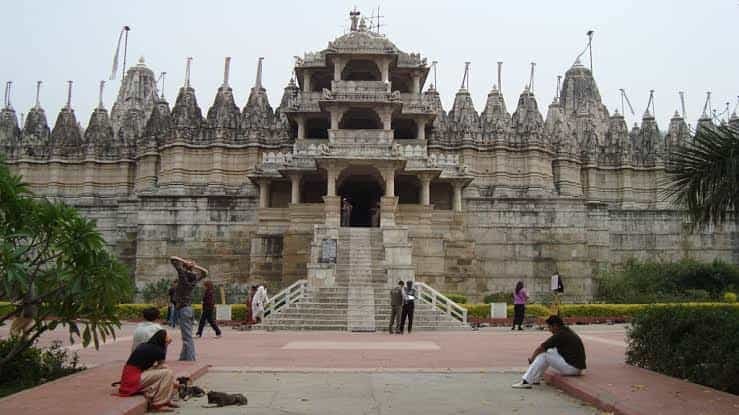
The five marble Jain temples built between the 11th and 13th centuries are Mount Abu’s most extraordinary heritage attraction — the Vimala Vasahi temple’s ceiling with 48 pillared mandapa featuring 360 carved figures, and the Tejpala temple’s incredible marble craftsmanship represent the absolute pinnacle of Indian marble architecture. Winter conditions allow the extended standing, close examination, and repeated viewing that these temples’ extraordinary detail demands.
Nakki Lake
The small but picturesque lake at Mount Abu’s centre — created according to legend by Hindu gods using their fingernails (nakha) — is most pleasantly boated in winter mornings when the surrounding garden is clearly reflected in the still surface.
Mount Abu Wildlife Sanctuary
The 289-square-kilometre sanctuary surrounding the hill station is home to leopards, sloth bears, jungle cats, hyenas, wild boars, and Mount Abu’s resident Marsh Crocodiles at Trevor’s Tank. Winter is the most productive wildlife viewing season when vegetation thins and animals visit water sources more predictably.
Achalgarh Fort
The 15th-century Rajput fort 11 kilometres from Mount Abu town, set on a rocky hilltop with Parameshwar temple and ancient architecture, is most pleasantly explored in winter’s comfortable temperatures.
Advantages of Winter Travel
- Most comfortable temperatures for extended Dilwara Temple exploration
- Wildlife sanctuary most productive for animal sightings
- Winter Festival in December creates Rajasthan’s finest cultural event
- Guru Shikhar’s panoramic views most clearly achieved on clear winter days
- Nakki Lake boating and lakeside walking most pleasant in cool winter air
Disadvantages
- December and January evenings drop to 4°C requiring warm woolens
- Winter Festival week in December sees maximum tourist numbers and hotel demand
- Advance booking essential for December visits
December — The Winter Festival Month
December is Mount Abu’s most celebrated single month — the Winter Festival creates a genuine cultural event of Rajasthan-wide significance at the Nakki Lake waterfront, and the cool December weather makes all aspects of the hill station’s sightseeing most comfortable.
What Makes December Special?
- Mount Abu Winter Festival — held over three days in late December — features classical music performances, folk dance by Rajasthan’s finest traditional performers including Kalbeliya, Ghoomar, and Bhavai artists, boat races on Nakki Lake, tug-of-war competitions, and the most vibrant single gathering at this destination
- The December evening temperatures of 6 to 12°C make the outdoor lakeside festival performances most atmospherically rewarding
- Christmas Eve at the local churches and the Brahma Kumaris campus creates an interfaith spiritual atmosphere unique to this particular hill station
- Clear winter skies allow the finest visibility from Sunset Point across the Gujarat plains
Book December accommodations at least 3 to 4 weeks in advance for the Winter Festival period.
Visiting Mount Abu During Summer (March to June)
Summer in Mount Abu performs the same function for Rajasthan that Shimla performs for Delhi and Ooty for Tamil Nadu — it provides a desperately needed cool refuge when the surrounding desert and plains are at their most intensely and most dangerously hot.
Weather During Summer
Temperatures range between 23°C and 33°C — warm but dramatically cooler than the 45°C simultaneously occurring in Jodhpur, Jaipur, and Barmer below. The hill station’s elevation moderates even the most intense summer conditions, and the mornings and evenings remain consistently pleasant.
Why Visit Mount Abu in Summer?
- Mount Abu provides genuine and immediate temperature relief from the Rajasthan summer heat — the difference between Abu Road town at the base and Mount Abu at the top is typically 10 to 15 degrees
- April and May bring large family groups from Rajasthan, Gujarat, and Maharashtra for the school summer holiday season
- The Nakki Lake boating, Sunset Point, and Dilwara Temples are all accessible and visited in the cool morning hours
- The Gangaur Festival in March brings the most traditional Rajasthani feminine celebration to the local community with processions, traditional dress, and devotional music
- The summer landscape of Mount Abu — before the monsoon arrives — is greener than most of Rajasthan and provides a genuinely pleasant hill station character
Best Summer Activities
- Early morning Dilwara Temple visits before 10 AM
- Nakki Lake boating in the morning hours
- Sunset Point sunset viewing as the day cools
- Guru Shikhar drive and brief walk to the summit
- Achalgarh Fort exploration in the cool morning
Benefits of Summer Travel
- The primary and most traditionally valid reason to visit Mount Abu — temperature relief from Rajasthan summer
- All sightseeing, activities, and attractions operational
- The most family-oriented and most festive summer atmosphere
Drawbacks
- April and May afternoons can be warm at 30 to 33°C
- The largest domestic tourist crowds of the year from April to June
- Hotel rates are at a moderate-high level during the peak summer season
Visiting Mount Abu During Monsoon (July to September)
Monsoon transforms Mount Abu in a way that no other season can — this hill station, which sits in a state that receives among India’s lowest annual rainfall, becomes temporarily and surprisingly lush, green, and waterfall-rich during the southwest monsoon months.
Weather During Monsoon
Temperatures range between 18°C to 30°C — pleasant and cool with regular rainfall. Mount Abu receives approximately 1,600 mm annually — among the highest in Rajasthan by a significant margin — creating a dramatically green landscape that genuinely surprises visitors who associate Rajasthan only with desert.
Why Visit Mount Abu in Monsoon?
- The entire Aravalli hill landscape around Mount Abu transforms to vivid green — the contrast between the green hill station and the brown desert visible on the plains below is one of the most dramatic monsoon transformations in North India
- Waterfalls appear across the Aravalli hillsides — small but visually striking cascades through the forest that are completely absent in other seasons
- Hotel rates are lowest of the year — significant savings on all categories
- The Teej Festival in July or August — celebrating the arrival of the monsoon and the goddess Teeja — brings traditional Rajasthani feminine celebrations with swings, processions, and folk songs
- The Mount Abu Wildlife Sanctuary is most vibrantly green with maximum vegetation providing the richest jungle atmosphere
Advantages of Monsoon Travel
- Year’s lowest hotel rates
- Most dramatically green and lush landscape
- Waterfalls visible across the Aravalli slopes
- Teej Festival cultural experience
- Dramatic contrast of green hills above desert plains below
Disadvantages
- Heavy rain can occasionally disrupt road conditions on the mountain approach from Abu Road
- Some trekking trails become slippery in sustained rainfall
- Wildlife sanctuary viewing is reduced due to dense monsoon vegetation
- Some viewpoints are cloud-obscured during rain events
Best Time to Visit Mount Abu for Different Travellers
For Honeymooners
October to February — the cool evenings, the quiet Nakki Lake morning reflections, the romantic Winter Festival atmosphere in December, and the intimate hill station character at its most peacefully uncrowded create the finest honeymoon conditions.
For Families
April to June — Mount Abu’s primary function as a summer hill station escape is most fully expressed when the school holidays from the surrounding states bring families seeking temperature relief and the full range of outdoor activities operational in the summer season.
For Pilgrims
The Dilwara Temples are accessible year-round — winter visits are most physically comfortable for the extended contemplative exploration these extraordinary temples deserve.
For Wildlife Enthusiasts
October to March — the dry season makes the 289-square-kilometre wildlife sanctuary most productive for leopard, sloth bear, and crocodile sightings at Trevor’s Tank.
For Budget Travellers
July to September for the lowest rates — the monsoon green landscape is genuinely beautiful and the Teej Festival provides cultural content.
Best Time for Dilwara Temples
The Dilwara Temples are Mount Abu’s most extraordinary and most important attraction.
Ideal Months
October to March for the most comfortable and most rewarding extended temple visit.
The Dilwara Temple experience includes:
- Vimala Vasahi Temple (1031 AD) — the earliest and most celebrated, with 48 decorated pillars surrounding the main shrine and ceiling panels of astonishing complexity
- Luna Vasahi Temple (1230 AD) — noted for the Hathi Shala (Elephant Corridor) with life-size carved elephant procession
- Pittalhar Temple — the largest, with a 5-metre high brass statue of Adinath
- Parshvanath and Mahavir Temples completing the complex
Photography restrictions apply inside — no camera permitted. Give at least 2 hours for a complete and appreciative visit.
Festivals and Events in Mount Abu
Winter Festival
Held in late December over three days at the Nakki Lake waterfront — this Rajasthan Tourism-organised cultural event features classical performances, folk dance including Kalbeliya and Bhavai, boat races, tug-of-war, and the most vibrant single cultural gathering at Mount Abu in the entire year.
Summer Festival
Held at Nakki Lake in May or June with boat races, cultural performances, and traditional competitions that celebrate Mount Abu’s role as Rajasthan’s summer retreat.
Teej Festival
Held in July or August, the Teej Festival marks the arrival of the monsoon — decorated swings, traditional Rajasthani dress, folk songs celebrating the season, and devotional processions through the town.
Travel Tips for Visiting Mount Abu
To make your Mount Abu visit most rewarding, consider these practical guidelines:
- Abu Road railway station — 28 kilometres from Mount Abu town — is the main rail approach, well-connected to Jaipur, Delhi, Ahmedabad, and Mumbai. Shared jeeps and taxis connect the station to the hill station in approximately 45 minutes.
- Carry warm clothing for all December to February visits — evenings drop to 4 to 8°C and Mount Abu’s altitude means temperatures fall rapidly after sunset.
- Visit the Dilwara Temples before 11 AM on weekdays — the noon-time tour bus arrivals significantly increase crowd levels in the early afternoon.
- Sunset Point and Honeymoon Point are most rewarding when visited 30 minutes before sunset and staying for 15 minutes after — the Gujarat plains below turn golden and then purple in the fading light.
- Trevor’s Tank — the artificial reservoir 5 kilometres from the town where Marsh Crocodiles are reliably visible — is best visited in the early morning with a guide arranged through the wildlife sanctuary office.
- The Guru Shikhar drive (15 kilometres from town) and the short walk to the summit temple offers the Aravalli’s highest viewpoint and is most clearly rewarding on cold, clear winter mornings.
Conclusion
The best time to visit Mount Abu is from October to March — the winter season when temperatures are most comfortable for extended Dilwara Temple exploration, the wildlife sanctuary is most productive, the Winter Festival in December creates Rajasthan’s finest cultural event, and the clear winter skies deliver the most panoramic views from Sunset Point and Guru Shikhar.
December stands out as Mount Abu’s finest individual month — the Winter Festival creates the year’s most celebratory cultural event, the clear winter air delivers the finest Sunset Point panorama, and the cool evenings make the lakeside and temple visits most atmospherically rewarding.
Whether you come for the impossibly intricate marble carvings of the Dilwara Temples, the green forest sanctuary’s leopard and bear, the Winter Festival’s Rajasthani folk performances beside Nakki Lake, the monsoon-green hillsides’ surprising contrast with the desert below, the Guru Shikhar panorama, or simply the pleasure of being in a cool, forested Rajasthan — a version of the state that most visitors never know exists — Mount Abu will surprise and reward you with a character that no other Rajasthan destination can offer.
Frequently Asked Questions
Q1. What is the best month to visit Mount Abu?
A: December is the finest single month — the Winter Festival brings Rajasthan’s finest folk culture to the Nakki Lake waterfront, clear winter air delivers the year’s finest panoramic views, and comfortable temperatures make all sightseeing most rewarding.
Q2. Does Mount Abu get snow?
A: No — despite the cool winter temperatures, Mount Abu does not receive snowfall. The coldest nights of January can drop to approximately 4°C but the hill station stays frost-free rather than snow-covered.
Q3. When is the Winter Festival in Mount Abu?
A: The Mount Abu Winter Festival is held annually in late December over three days at the Nakki Lake waterfront — the exact dates vary slightly year to year. Check Rajasthan Tourism for confirmed 2026 dates.
Q4. Is Mount Abu good in monsoon?
A: Yes — Mount Abu receives more rainfall than any other Rajasthan destination, transforming the Aravalli hills into an unexpectedly lush green landscape. Hotel rates drop significantly and the Teej Festival provides cultural content, though some outdoor activities are limited.
Q5. How many days are enough for Mount Abu?
A: Two days comfortably covers the Dilwara Temples, Nakki Lake, Sunset Point, Guru Shikhar, and Trevor’s Tank. Extend to 3 days to include Achalgarh Fort, the Wildlife Sanctuary, and a more leisurely Dilwara Temple visit.