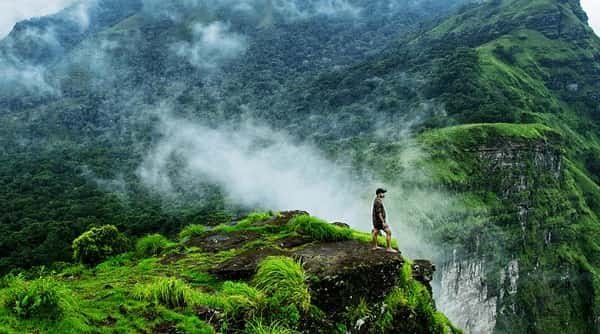
Northeast India — the Land of the Dawn-Lit Mountains, the Seven Sisters plus Sikkim — is one of India’s most extraordinary and most underexplored travel regions, a geographically diverse corner of the country where ancient tribal cultures, Himalayan peaks, the world’s wettest places, one-horned rhinoceroses, living root bridges, and some of India’s finest festivals coexist in eight states that most Indian travellers have yet to discover. Comprising Assam, Meghalaya, Arunachal Pradesh, Nagaland, Manipur, Mizoram, Tripura, and Sikkim, Northeast India offers a travel experience of extraordinary richness and genuine remoteness that is fundamentally different from any other region in the country.
Whether you are planning a wildlife safari at Kaziranga, a trek through Sikkim’s rhododendron forests, a festival visit to Nagaland’s Hornbill, a living root bridge trek in Meghalaya, an exploration of Tawang’s monasteries, or a journey along the Brahmaputra’s banks, choosing the best time to visit Northeast India determines your weather conditions, your festival access, the safety of your road travel, and the specific character of the experience waiting for you.
Northeast India Travel Overview
| Factor | Details |
| Best Overall Time | October to April |
| Peak Tourist Season | November to February |
| Cheapest Time to Visit | June to September |
| Best for Hornbill Festival | December (Nagaland) |
| Best for Kaziranga Wildlife | November to April |
| Best for Rhododendrons | March to April (Sikkim) |
| Best for Ziro Music Festival | September (Arunachal Pradesh) |
| Best for Waterfalls | June to September (Meghalaya) |
| Best for Dawki River | November to April |
| Average Temperature | 0°C to 35°C (varies enormously by state and altitude) |
Why Timing Matters When Visiting Northeast India
Northeast India’s regional diversity creates a genuinely complex timing landscape. The eight states experience different rainfall patterns, different altitude profiles, and different seasonal windows simultaneously. When Tawang in Arunachal Pradesh is under heavy snow in January, Guwahati in Assam is mild and pleasant. When Cherrapunji in Meghalaya — one of the world’s wettest places — is receiving 400 mm of rainfall in July, the high passes of Sikkim are still accessible to trekkers.
The monsoon from June to September is the single most important seasonal consideration — heavy rainfall brings landslide risk to mountain roads, makes the Dawki River opaque (losing its famous clarity), and restricts access to remote valleys in Arunachal and Sikkim. Understanding the regional monsoon impact before planning any Northeast itinerary is essential.
The Permit Requirement — Planning Essential
Several Northeast Indian states require official permits for entry.
Inner Line Permit (ILP) is required for Indian nationals to enter Arunachal Pradesh, Nagaland, Manipur, and Mizoram. Apply online through respective state government portals or at designated offices in Guwahati, Kolkata, and other cities. Processing takes 1 to 3 days online.
Protected Area Permit (PAP) is required for foreign nationals to visit Arunachal Pradesh, Nagaland, Manipur, and Mizoram — obtained through registered tour operators.
Sikkim, Assam, Meghalaya, and Tripura are accessible to all Indian nationals without permits. Foreign nationals require a Restricted Area Permit for North Sikkim.
Visiting Northeast India During Winter (October to March)
Winter is the most popular and most broadly recommended time to visit Northeast India across all eight states. Clear skies, comfortable temperatures, the richest festival calendar, and the best wildlife viewing conditions at Kaziranga and Manas combine to make this the definitive Northeast travel season.
Weather During Winter
Temperatures vary dramatically by state and altitude. Assam and the lower-elevation states experience 10°C to 24°C — pleasant and comfortable. Meghalaya, Nagaland, Manipur, and Mizoram sit at moderate elevations of 800 to 1,500 metres with temperatures of 8°C to 20°C. Arunachal Pradesh and Sikkim at high altitude experience 0°C to 15°C in the valleys and significantly colder at high elevation.
Why Visit Northeast India in Winter?
- Hornbill Festival in Nagaland — held annually from December 1 to 10 in Kisama near Kohima, the Hornbill Festival is the single most celebrated tribal cultural event in India, where all of Nagaland’s 17 major tribes gather to perform their distinctive dances, music, and cultural displays simultaneously. No other Indian festival provides such concentrated access to tribal cultural diversity
- Kaziranga National Park is most productive for wildlife from November to April — the one-horned rhinoceros, wild elephants, Bengal tigers, and migratory birds are most visibly and most safely accessed in the dry season
- Dawki River clarity returns in October and peaks through April — the famous glass-like transparency of Meghalaya’s Umngot River is at its annual best when monsoon sediment has cleared
- Tawang Monastery in Arunachal Pradesh receives winter snowfall from December creating the most dramatically beautiful version of India’s largest monastery
- Bihu Festival in Assam in January brings the state’s most vibrant agricultural celebration with folk dances and traditional celebrations
- Sikkim’s monasteries, viewpoints, and lower-elevation areas are most clearly and most comfortably visited October through November before deep winter cold settles at altitude
- Road conditions across all eight states are most reliable in the dry winter season — the landslide risk that characterises the monsoon months is essentially eliminated
Winter is the most complete season for the full Northeast India experience.
Best Winter Destinations
Kaziranga National Park, Assam
The UNESCO World Heritage Site protecting over 2,400 one-horned rhinoceroses — the world’s largest population — opens its safari zones fully from November after the monsoon floods recede. Elephant safaris at dawn, jeep safaris through the tall elephant grass, and river cruises on the Brahmaputra create one of India’s finest wildlife experiences in January and February when the grass is at its shortest and visibility of the rhino population is at its annual best.
Hornbill Festival, Nagaland
The ten-day festival at Kisama Heritage Village 12 kilometres from Kohima is the most concentrated expression of Nagaland’s warrior tribal culture — each tribe’s morung (bachelor dormitory) reconstructed at the festival site with traditional art, craft, food, and performance representing the full spectrum of Naga cultural identity. The final evening’s cultural concert brings together rock bands and traditional musicians in a unique fusion that reflects modern Nagaland’s bicultural identity.
Meghalaya in Winter
The Dawki River’s glass clarity, the living root bridge treks near Cherrapunji, the Don Bosco Museum in Shillong, and the Mawlynnong village circuit are all most rewarding in the dry, clear winter months when trails are safe and river visibility is at its annual peak.
Advantages of Winter Travel
- Hornbill Festival — India’s finest tribal cultural festival — in December
- Kaziranga and Manas wildlife viewing at annual best
- Dawki River clarity most spectacular
- Road conditions most reliable across all states
- Bihu celebrations in Assam in January
Disadvantages
- December to February is peak season — Hornbill Festival accommodations near Kisama book out months ahead
- Tawang and high Sikkim can be very cold requiring serious winter clothing
- ILP processing must be completed before departure to states requiring permits
March and April — Spring’s Extraordinary Showcase
Spring is the most visually spectacular season in the northeastern Himalayan states — Sikkim’s rhododendrons paint entire hillsides in red and pink, Arunachal’s orchids bloom in extraordinary variety, and the Tawang Festival brings Monpa cultural celebrations to the season.
What Makes March and April Special?
- Sikkim’s rhododendron bloom — over 40 species bloom simultaneously across the Yumthang Valley and surrounding hillsides from mid-March through late April in the most spectacular single natural event in the northeastern Himalayan states
- Arunachal Pradesh orchids — over 600 species recorded, with spring the prime blooming season across the state’s diverse elevation zones
- Tawang Festival in Arunachal Pradesh — April or May — featuring elaborate Cham mask dances at the Tawang Monastery with the Monpa community’s full cultural programme
- Ziro Valley, Arunachal — the Apatani tribal paddy fields are being prepared for the season, the valley is vivid green, and temperatures are most comfortable for exploration
- Birdwatching across all states reaches peak migration season as species move through on their return northward journeys
Visiting Northeast India During Monsoon (June to September)
The monsoon is the most complex and most debated season for Northeast travel — intense in some areas, dramatic in others, and genuinely rewarding for specific experiences while restricting others significantly.
Weather During Monsoon
Northeast India receives some of the world’s most intense monsoon rainfall. Meghalaya — particularly Cherrapunji and Mawsynram — receives over 10,000 mm annually, the world’s highest average. Assam, Manipur, and Tripura receive sustained heavy rainfall. Arunachal Pradesh’s mountain roads are most landslide-affected. Sikkim and Tawang receive moderate monsoon rainfall.
Why Some Travellers Visit in Monsoon?
- Meghalaya’s waterfalls are at their most powerful and most dramatically beautiful — Nohkalikai, Seven Sisters Falls, and Elephant Falls roar with full monsoon volume in a spectacle genuinely unlike their dry-season trickle
- Ziro Music Festival in late September — Arunachal Pradesh’s most celebrated annual event, held in the beautiful Ziro Valley with independent Indian musicians performing against the backdrop of Apatani paddy fields
- Kaziranga flooding creates a unique seasonal spectacle — the park floods and wildlife retreats to the Karbi Anglong hills, but the Brahmaputra’s power and the surrounding landscape’s vivid green create a different but equally extraordinary Assam experience
- Budget travel — hotel rates across all Northeast states are lowest in the monsoon months
Advantages of Monsoon Travel
- Meghalaya’s waterfalls at maximum power
- Ziro Music Festival in late September
- Year’s lowest accommodation rates
- Most dramatically lush and green landscape across all states
Disadvantages
- Landslide risk on mountain roads — particularly severe in Arunachal Pradesh and Sikkim
- Kaziranga, Manas, and Namdapha national parks close during peak monsoon
- Dawki River loses its glass clarity completely
- Many remote valley roads become impassable
- Not recommended for first-time visitors or fixed-itinerary travel
Best Time to Visit Northeast India by State
Assam
Best months: November to April. Kaziranga most productive from November to April. Manas National Park — one-horned rhino and Golden Langur — October to April. Bihu Festival January creates cultural richness.
Meghalaya
Best months: October to April for Dawki clarity and root bridge treks. June to September for waterfall spectacle. September for Wangala Festival and Ziro spillover energy.
Nagaland
Best months: October to March. December 1 to 10 for Hornbill Festival — the definitive Nagaland travel event.
Arunachal Pradesh
Best months: October to May for most circuits. March to May for Tawang Festival and rhododendron bloom. September for Ziro Music Festival. Avoid June to September for road travel to remote valleys.
Sikkim
Best months: March to May for rhododendron bloom and spring clarity. October to November for the finest mountain views. December to February for snowfall experiences.
Manipur
Best months: October to March. Loktak Lake and the floating phumdi islands most beautifully visited in winter. Sangai Festival in November celebrating the dancing deer.
Mizoram
Best months: October to March. Chapchar Kut Festival in March celebrating the end of the harvest season with traditional dance — one of Mizoram’s most vibrant annual events.
Tripura
Best months: October to March. Ujjayanta Palace and Neermahal Lake Palace most comfortably visited in pleasant winter temperatures.
Festivals and Events in Northeast India
Hornbill Festival — Nagaland
Held December 1 to 10 at Kisama near Kohima — the most comprehensive celebration of Nagaland’s 17 major tribes with dance, music, traditional food, craft, and the rock music concert that exemplifies modern Naga identity.
Bihu — Assam
Celebrated three times annually — the most vibrant is Bohag Bihu in April marking the Assamese New Year with Bihu dance, music, and the celebration of spring planting.
Ziro Music Festival
Held in the Ziro Valley of Arunachal Pradesh in late September — India’s most distinctive outdoor music festival combining independent Indian artists with the extraordinary Apatani tribal cultural landscape.
Wangala Festival — Meghalaya
The 100 Drums Festival of the Garo tribe in November — one of the most visually powerful tribal celebrations in Northeast India with traditional drumming, dance, and harvest rituals.
Sangai Festival — Manipur
Held in November at Imphal — celebrating Manipur’s culture, arts, and the endangered Sangai (dancing deer) through dance performances, craft exhibitions, and adventure sports.
Travel Tips for Northeast India
- Apply for all required ILPs well before departure — Arunachal Pradesh, Nagaland, Manipur, and Mizoram all require permits and processing must be completed before reaching entry points.
- Guwahati is the primary hub for Northeast travel — well-connected by air and rail from all major Indian cities.
- Carry sufficient cash — ATM infrastructure in remote areas of all states is extremely limited beyond state capitals.
- Mobile connectivity is limited beyond major towns — download offline maps and inform family of itinerary before entering remote areas.
- Book Hornbill Festival accommodations near Kisama at least 2 to 3 months in advance.
- Allow flexible itinerary days in every Northeast India trip — road conditions, weather, and the inherent remoteness of the region make rigid scheduling inadvisable.
Conclusion
The best time to visit Northeast India is from October to April — the long dry season when roads are reliable, wildlife parks are open, the Dawki River is transparent, the Hornbill Festival brings Nagaland’s tribal world to its most vibrant expression, and the spring rhododendron and orchid seasons of March and April close the window with their most spectacular natural display.
November to February is the absolute peak — combining Hornbill Festival, Kaziranga’s finest wildlife season, Meghalaya’s Dawki clarity, and the most comfortable travel conditions across all eight states simultaneously.
Frequently Asked Questions
Q1. What is the best month to visit Northeast India?
A: November and December are the two finest months — Hornbill Festival in Nagaland from December 1 to 10 is India’s finest tribal festival, Kaziranga wildlife viewing is most productive, Dawki River clarity is excellent, and road conditions across all states are most reliable.
Q2. Which Northeast states require permits?
A: Indian nationals require an Inner Line Permit for Arunachal Pradesh, Nagaland, Manipur, and Mizoram. Assam, Meghalaya, Sikkim, and Tripura are freely accessible to Indian nationals.
Q3. Is monsoon safe for Northeast travel?
A: Not for most circuits — landslide risk on mountain roads is real, major wildlife parks close, and the Dawki River loses its clarity. The exception is Meghalaya’s waterfall circuit (most dramatic in monsoon) and the September Ziro Music Festival.
Q4. What is the Hornbill Festival?
A: An annual ten-day tribal cultural festival held December 1 to 10 near Kohima, Nagaland — all 17 major Naga tribes gather to perform their distinctive dance, music, and cultural traditions simultaneously, making it the most concentrated tribal cultural experience in India.
Q5. How many days are enough for Northeast India?
A: Each state deserves a minimum of 3 to 5 days. A comprehensive Northeast circuit covering Assam, Meghalaya, Nagaland, and Arunachal Pradesh requires a minimum of 14 to 16 days.