Rameshwaram is one of India’s holiest and most spiritually significant pilgrimage destinations — an island town on Pamban Island in Tamil Nadu, separated from mainland India by the Palk Strait and from Sri Lanka by the Palk Bay, that occupies a unique position in Hindu sacred geography as one of the 12 Jyotirlingas, one of the four Char Dham pilgrimage destinations, and the site of events central to the Ramayana — where Lord Ram is believed to have built the legendary Rama Setu (Adam’s Bridge) to reach Lanka and rescue Sita. The Ramanathaswamy Temple — one of the most magnificent examples of Dravidian temple architecture in India, with the world’s longest temple corridor at 1,212 metres flanked by 1,212 ornate pillars — stands at the heart of this sacred island, drawing millions of pilgrims annually to perform rituals at its 22 theerthams (sacred wells) and pray at the Jyotirlinga shrine. Beyond its spiritual significance, Rameshwaram offers the dramatic Dhanushkodi ghost town at the island’s eastern tip — a once-thriving settlement destroyed by the 1964 cyclone and never rebuilt — the Pamban Bridge that connects the island to the mainland in a crossing of genuine engineering drama, the pristine beaches of the island’s northern shore, sea kayaking and water sports in the clear Palk Bay waters, and a coastal atmosphere rich with the smell of sea air, jasmine garlands, and temple camphor that defines the South Indian pilgrimage experience. Whether you are planning a Hindu pilgrimage, a heritage architecture exploration, a coastal day-trip to Dhanushkodi, a family cultural holiday, or a combination spiritual-and-beach escape, choosing the best time to visit Rameshwaram determines your comfort, your access to festivals, and the quality of your overall experience.

Rameshwaram Travel Overview
| Factor | Details |
| Best Overall Time | October to April |
| Peak Tourist Season | November to March |
| Cheapest Time to Visit | May to September |
| Best for Temple Visits | October to April |
| Best for Dhanushkodi | October to March |
| Best for Pilgrimage | Year-round with festivals in December and February |
| Best for Honeymoon | October to February |
| Best for Families | November to March |
| Best for Budget Travelers | June to September |
| Average Temperature | 20°C to 37°C (varies by season) |
Why Timing Matters When Visiting Rameshwaram
Rameshwaram is a year-round pilgrimage destination — the Ramanathaswamy Temple conducts rituals and remains open for darshan every single day of the year without exception, regardless of weather. However, the comfort, accessibility, and overall quality of the visitor experience varies considerably by season. As a coastal island in the Gulf of Mannar and Palk Bay, Rameshwaram is exposed to both the southwest and northeast monsoons, receives moderate but meaningful rainfall in certain months, and can experience strong coastal winds that affect beach and water activities.
The best time for pilgrims and the best time for general tourists partially overlap but have some distinctions — understanding both helps you plan the most rewarding visit regardless of your primary purpose.
Visiting Rameshwaram During Winter (October to March)
Winter is universally regarded as the best time to visit Rameshwaram — the most comfortable temperatures for extended temple rituals and outdoor sightseeing, the calmest sea conditions for the Dhanushkodi road crossing, the finest beach conditions, and the most important festival calendar make this the most complete window for experiencing the full range of what Rameshwaram offers.
Weather During Winter
Temperatures range between 20°C and 30°C — pleasantly warm rather than oppressively hot, with cool sea breezes from both the Gulf of Mannar and the Palk Bay moderating the coastal climate. December and January are the most comfortable months with temperatures occasionally dropping to 20°C in the evenings. March sees temperatures beginning their gradual climb toward summer levels.
Why Visit Rameshwaram in Winter?
- The Ramanathaswamy Temple’s 22 theertham ritual — bathing in 22 sacred wells within the temple complex — is most comfortably performed in the cooler winter temperatures rather than the sweating summer heat
- The famous temple corridor darshan — walking the 1,212-metre corridor flanked by 1,212 granite pillars — is most pleasurable in the cool morning air of December and January
- Dhanushkodi — the ghost town at the island’s eastern tip — is most comfortably visited in winter when the 18-kilometre beach road can be driven in an open jeep without the brutal summer heat
- The Arudra Darshanam festival in December — one of Rameshwaram’s most important annual celebrations, honouring an aspect of Lord Shiva — attracts enormous pilgrimage gatherings
- Maha Shivaratri in February or March is the single most auspicious occasion to visit Ramanathaswamy Temple — the most important Shiva festival in the Hindu calendar draws the largest pilgrim gatherings of the year
- Beach activities and water sports in the Palk Bay are most pleasant in the cooler winter temperatures
- Scuba diving and snorkelling in the Gulf of Mannar — home to dolphins, sea turtles, and diverse coral — is most productive in the clear winter water
- Migratory birds including flamingoes arrive at the island’s coastal wetlands in winter
Winter is the most complete and most comfortable season for the full Rameshwaram experience.
Best Places to Visit
Ramanathaswamy Temple
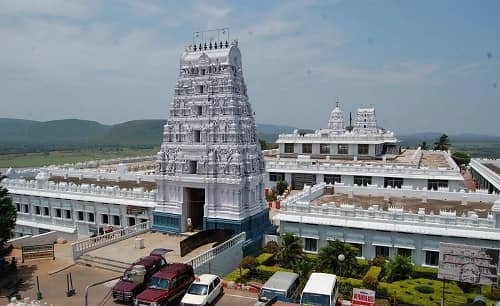
One of India’s most magnificent Dravidian temples — dating to the 12th century with later additions through the 17th and 18th centuries — the temple’s most distinctive feature is its enormous prakaram (corridor) lined with monolithic granite pillars rising to the temple roof. The 22 theerthams within the outer and inner corridors require pilgrims to receive water pourings at each well — a ritual most comfortably completed in the cool morning hours of winter visits. The main sanctum housing the Jyotirlinga is open for specific darshan timings and the morning abhishekam (sacred bath of the idol) is the most auspicious puja to attend.
Dhanushkodi
The ghost town at the island’s southeastern tip — built on a narrow spit of land between the Gulf of Mannar and the Palk Bay — was once a thriving customs and railway town until the 1964 cyclone destroyed it completely. Today the ruins of the railway station, post office, church, and homes stand in a haunting landscape of white sand and turquoise water that has become one of Tamil Nadu’s most photographically compelling heritage sites. The 18-kilometre beach road is accessed by 4×4 jeeps from Rameshwaram town — most safely and most comfortably traversed in winter’s moderate temperatures.
Pamban Bridge
India’s first sea bridge — connecting Pamban Island to the mainland across the Palk Strait — is both an engineering landmark and a dramatically scenic crossing. The road bridge runs parallel to the older railway bridge that has stood since 1914. The view from the bridge during the crossing — with open sea on both sides and the occasional dolphin sighting in the waters below — is one of the most distinctive arrival experiences in South India.
Agni Teertham
The sacred bathing ghat directly on the shore of the Bay of Bengal adjacent to the Ramanathaswamy Temple is considered the most sacred of all bathing spots at Rameshwaram — pilgrims perform the first ritual bath here before entering the temple for the 22-theertham ritual. Winter conditions make the sea bathing most comfortable and most safe.
Advantages of Winter Travel
- Most comfortable temperatures for the physically demanding 22-theertham temple ritual
- Dhanushkodi jeep trip most pleasantly completed in cool conditions
- Maha Shivaratri and Arudra Darshanam festivals create the year’s most spiritually significant pilgrimage opportunities
- Migratory birds active at coastal wetlands
- Beach and water activities most comfortable
- Scuba diving and snorkelling visibility best in clear winter water
Disadvantages
- November to March is peak tourist and pilgrim season — Ramanathaswamy Temple darshan queues can be very long particularly on festival days
- December to January hotel rates are highest
- Maha Shivaratri week sees the largest pilgrim gatherings — accommodation requires advance booking 3 to 4 weeks ahead
- December sees the Northeast monsoon’s tail-end — occasional rain showers in early December
December — The Festival and Post-Monsoon Sweet Spot
December occupies a unique position in Rameshwaram’s calendar — the Arudra Darshanam festival creates one of the most spiritually charged single events in the annual pilgrimage calendar, while the retreating northeast monsoon gives way to progressively clearer and more comfortable conditions through the month.
What Makes December Special?
- Arudra Darshanam — a Shiva festival celebrating Nataraja’s cosmic dance — is observed with special rituals, processions, and the most elaborate temple decorations of the year at Ramanathaswamy Temple
- The northeast monsoon retreats through December — early December sees some rainfall but conditions improve markedly from mid-December
- From December 15 onward, temperatures are at their most comfortable for the year
- The temple’s special Thiruvannamalai-associated rituals during this festival draw pilgrims from across Tamil Nadu and beyond
- Dhanushkodi visits are most manageable from mid-December when the monsoon has fully cleared
Visiting Rameshwaram During Summer (April to June)
Summer in Rameshwaram is known as the pilgrim season — when school holidays and the Hindu religious calendar bring large numbers of domestic pilgrims despite the heat, and the temple’s spiritual energy is at its most concentrated.
Weather During Summer
Temperatures range between 27°C and 38°C — genuinely hot with high coastal humidity. Sea breezes provide some relief in the mornings and evenings, but midday on the beach and in the temple complex can be genuinely exhausting.
Why Some Travellers Visit in Summer?
- The Ram Navami festival in April — celebrating Lord Ram’s birth — is one of the most auspicious occasions at Ramanathaswamy Temple, given the temple’s direct Ramayana connection
- School summer holidays from May to June bring large family pilgrim groups creating the year’s most vibrant communal pilgrimage atmosphere
- Early morning temple rituals before 8 AM are manageable even in summer — the puja timings for abhishekam begin in the pre-dawn hours when temperatures are at their most bearable
- Hotel rates are lower than peak winter season
- The temple is open to all rituals and the Dhanushkodi visit can be completed in the earliest morning hours before heat peaks
Best Summer Activities
- Pre-dawn temple rituals and abhishekam attendance at 5 AM
- Early morning Agni Teertham sea bath before 7 AM
- Dhanushkodi jeep trip departing before 6 AM to complete before midday heat
- Sea bathing at Ariyaman Beach 12 kilometres from Rameshwaram — the most beautiful beach near the town
Benefits of Summer Travel
- Ram Navami festival creates a spiritually significant pilgrimage timing
- Lower hotel rates than winter peak
- The authentic pilgrim energy of the summer season
Drawbacks
- Afternoon heat of 35 to 38°C with high coastal humidity makes sightseeing genuinely uncomfortable after 10 AM
- Dhanushkodi in open jeep under summer sun is exhausting — essential to go very early
- Not recommended for elderly pilgrims or young children in peak heat weeks
Visiting Rameshwaram During Monsoon (July to September)
Rameshwaram receives two monsoon systems — the southwest monsoon (June to August) and the northeast monsoon (October to November). The direct southwest monsoon impact on Rameshwaram is moderate rather than intense — the island’s location in the lee of the Indian subcontinent means it receives less rainfall than the Kerala or Karnataka coasts during this period.
Weather During Monsoon
Temperatures range between 25°C to 32°C with moderate rainfall and high humidity. Sea conditions in the Palk Bay and Gulf of Mannar become rough during monsoon months, restricting water sports and sea bathing at some beaches.
Why Some Travellers Visit in Monsoon?
- The Ramanathaswamy Temple is open and fully functioning year-round — pilgrims seeking a deeply personal, uncrowded darshan experience find monsoon’s reduced tourist numbers create a more intimate temple encounter
- Hotel rates are at their lowest — significant savings on accommodation for all categories
- The island’s vegetation is most lush and green in the monsoon months
- Early morning rituals at the temple are most peaceful without the winter peak crowds
Advantages of Monsoon Travel
- Year’s lowest hotel rates
- Most peaceful and personal darshan experience at the temple
- Authentic off-season pilgrim atmosphere
Disadvantages
- Sea bathing at Agni Teertham and beaches can be rough and not recommended
- Dhanushkodi road may be affected by sand and wind conditions
- Water sports and snorkelling in the Gulf of Mannar are not advisable in rough monsoon conditions
- High humidity makes extended outdoor activity uncomfortable
Best Time to Visit Rameshwaram for Different Travellers
For Pilgrims Seeking Major Festivals
February or March for Maha Shivaratri — the most auspicious Shiva festival draws the largest gatherings and the most spiritually intense atmosphere. December for Arudra Darshanam. April for Ram Navami.
For First-Time Visitors
November to February for the most comfortable combination of weather, complete sightseeing access, and the annual festival calendar’s richest window.
For Families
November to March — comfortable temperatures for all ages, Dhanushkodi accessible, beach activities available, and the cultural richness of the pilgrimage atmosphere creating memorable family heritage experiences.
For Budget Travellers
June to September for the lowest hotel rates — the temple is open and functioning but sightseeing flexibility is required around rain and rough sea conditions.
For Photographers
October and November provide the most photogenic conditions — post-monsoon freshness gives the island’s temple architecture and coastal landscape a vibrant, clean quality under increasingly clear skies.
The 22 Theerthams Ritual — What Visitors Need to Know
The theertham ritual is the defining pilgrimage experience at Ramanathaswamy Temple.
What the Ritual Involves
Pilgrims perform a sacred bathing ritual at each of the 22 theerthams (sacred wells) within the temple’s outer and inner corridors. At each well, temple priests pour water over the pilgrim from a brass pot. The full ritual covers approximately 1.5 kilometres of the temple corridor and takes 1 to 3 hours depending on crowd levels.
Timing Recommendations
Begin the theertham ritual as early as 5 AM to 6 AM — both to avoid the midday crowds and to benefit from the cool morning air. November to February mornings make the ritual most physically comfortable. Summer mornings before 7 AM are manageable; later morning visits in summer are significantly more tiring.
Dress Requirements
Traditional dress is required — dhoti for men, saree or salwar for women. Shoulder and knee coverage is mandatory. Footwear is prohibited inside the temple complex.
Festivals and Events in Rameshwaram
Maha Shivaratri
The Great Night of Shiva — celebrated in February or March according to the Hindu lunar calendar — is the single most important festival at Ramanathaswamy Temple, drawing hundreds of thousands of pilgrims for overnight vigil, abhishekam rituals, and the most elaborate puja programme of the year. Accommodation requires booking 3 to 4 weeks ahead.
Arudra Darshanam
Celebrated in December (Tamil month of Margazhi), this festival commemorates Lord Shiva’s Ananda Tandava (cosmic dance) and is observed at the Ramanathaswamy Temple with elaborate rituals, processions of the processional deity, and the most ornate temple decorations of the festival year.
Ram Navami
Celebrated in April, this festival marking Lord Ram’s birth is particularly significant at Rameshwaram given the temple’s Ramayana connection — the worship of Lord Ram alongside the Jyotirlinga creates a unique spiritual dimension not replicated at other Jyotirlinga temples.
Thirukalyanam Festival
The celestial marriage festival of Lord Shiva and Parvati is celebrated at Ramanathaswamy Temple in the Tamil month of Panguni (March to April) with elaborate processions and the most decorative arrangements of the deity processional vehicles.
Travel Tips for Visiting Rameshwaram
To make your Rameshwaram pilgrimage and visit most rewarding, consider these essential guidelines:
- Begin the 22-theertham ritual before 6 AM — both for the cool morning air and to avoid the crowd buildup that occurs from 8 AM onward on peak festival and weekend days.
- Carry a small backpack with a dry change of clothes for after the theertham bathing — you will be wet multiple times during the ritual.
- Dhanushkodi jeep trips depart from near the Rameshwaram bus stand — shared jeeps start from approximately 6 AM and the trip covers 18 kilometres of beach road each way. Start as early as possible particularly in summer.
- Rameshwaram is reached by train from Chennai (7 to 9 hours by various services) or from Madurai (3 hours) — the train crossing of the Pamban Bridge is one of India’s most dramatically scenic railway journeys.
- Book Maha Shivaratri and Arudra Darshanam period accommodation at least 3 to 4 weeks in advance — the town’s limited hotel capacity fills completely during major festival dates.
- The Gulf of Mannar Marine National Park — accessible by boat from Rameshwaram — contains some of the finest coral reefs in India. Snorkelling and diving tours operate from October to May; the November to March window offers the best visibility.
- Ariyaman Beach 12 kilometres from the town centre is significantly cleaner and less crowded than the main town beaches — ideal for a peaceful coastal experience separate from the pilgrimage energy.
Conclusion
The best time to visit Rameshwaram is from October to March — the winter season when temperatures are most comfortable for the physically demanding 22-theertham ritual and extended temple exploration, the festival calendar reaches its most significant peaks with Arudra Darshanam in December and Maha Shivaratri in February or March, the Dhanushkodi ghost town is most pleasantly accessible, and the Gulf of Mannar’s snorkelling and marine park are in their finest condition.
November and December stand out as the finest individual months — the northeast monsoon retreats progressively through this period, temperatures are at their most comfortable, the Arudra Darshanam festival creates a spiritually vibrant December experience, and the post-monsoon clarity gives the island’s temple architecture and coastal scenery their most photogenic quality.
Whether you come as a devout pilgrim performing the sacred 22-theertham ritual, a heritage architecture enthusiast marvelling at the Ramanathaswamy Temple’s 1,212-pillar corridor, a coastal explorer venturing to Dhanushkodi’s haunting ruins at land’s end, or a traveller seeking the unique experience of a South Indian island where the spiritual and the natural exist in profound proximity to the sea, Rameshwaram will deliver an experience that is unlike any other sacred destination in India.
Frequently Asked Questions
Q1. What is the best month to visit Rameshwaram?
A: December and January for the finest overall combination — the Arudra Darshanam festival in December, comfortable temperatures for temple rituals, the clearest sea conditions for Gulf of Mannar activities, and the full tourist season in comfortable swing.
Q2. When is Maha Shivaratri at Rameshwaram?
A: Maha Shivaratri falls in February or March according to the Hindu lunar calendar — the exact date shifts each year. It is the single most auspicious occasion to visit Ramanathaswamy Temple and draws the year’s largest pilgrim gathering.
Q3. What are the 22 theerthams at Rameshwaram?
A: The 22 theerthams are sacred wells within the Ramanathaswamy Temple complex at which pilgrims receive a ritual bathing by temple priests. Performing the complete ritual at all 22 wells is the primary pilgrimage act at Rameshwaram and takes 1 to 3 hours depending on crowd levels.
Q4. Is Rameshwaram worth visiting in summer?
A: Yes for devoted pilgrims who manage their timing carefully — beginning all outdoor activities before 8 AM avoids the worst heat. Ram Navami in April is a significant spiritual occasion. General tourists find summer’s afternoon heat challenging without careful planning.
Q5. How many days are enough for Rameshwaram?
A: Two to three days is sufficient to complete the Ramanathaswamy Temple theertham ritual, visit Dhanushkodi, explore the Pamban Bridge, visit Agni Teertham, and take a Gulf of Mannar snorkelling trip comfortably.