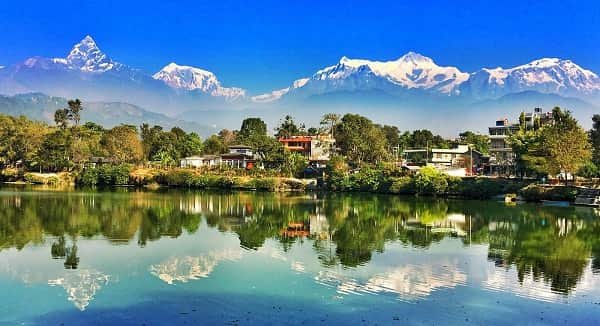
Nepal is one of the world’s most extraordinary travel destinations — a Himalayan kingdom of breathtaking contrasts where eight of the world’s fourteen 8,000-metre peaks rise above ancient Hindu and Buddhist temple cities, where the rhododendron-covered trails of the Annapurna Circuit and the ice-blue glaciers of the Everest region share a country with the subtropical jungle wildlife of Chitwan National Park, and where the cultural heritage of Kathmandu’s Durbar Squares, the spiritual energy of Boudhanath Stupa’s butter lamp ceremonies, and the Pokhara lakeside’s serene reflection of Machhapuchhre (Fishtail Mountain) together create a travel experience of extraordinary depth and diversity. Famous for the Everest Base Camp Trek — one of the world’s most celebrated mountain journeys at 5,364 metres — the Annapurna Circuit and Annapurna Base Camp treks, the Langtang Valley, the ancient Newar city of Bhaktapur, the world’s deepest gorge at Kali Gandaki, the Royal Chitwan National Park’s one-horned rhinos and Bengal tigers, the white-water rafting on the Trishuli and Seti rivers, and the paragliding from Sarangkot above Phewa Lake, Nepal rewards every type of traveller who makes the journey to this Himalayan nation with experiences of genuine world-class significance. Whether you are planning an Everest Base Camp trek, a cultural tour of the Kathmandu Valley, a wildlife safari in Chitwan, a paragliding adventure in Pokhara, a mountain flight over the Himalayan range, or a spiritual pilgrimage to the sacred sites of Lumbini and Pashupatinath, choosing the best time to visit Nepal is the single most important planning decision that determines whether your journey is spectacular or merely good.
Nepal Travel Overview
| Factor | Details |
| Best Overall Time | October to November and March to May |
| Peak Tourist Season | October and November |
| Cheapest Time to Visit | June to August |
| Best for Everest Base Camp | March to May and October to November |
| Best for Annapurna Circuit | October to November and March to May |
| Best for Wildlife (Chitwan) | October to April |
| Best for Festivals | September to November |
| Best for Honeymoon | October to November |
| Best for Budget Travelers | December to February and June to August |
| Average Temperature | Minus 10°C to 32°C (varies enormously by altitude) |
Why Timing Matters So Critically in Nepal
Nepal’s dramatic altitudinal range — from the Terai plains at 60 metres to Everest at 8,848 metres — creates multiple simultaneous climate zones operating independently of each other. In Kathmandu at 1,400 metres, October feels like a perfect autumn day at 22°C. Simultaneously at Everest Base Camp at 5,364 metres, October nights are already well below freezing. This altitudinal complexity means seasonal planning must account for both your destination elevation and your intended activities.
Nepal’s two prime trekking seasons — autumn (October to November) and spring (March to May) — exist because the monsoon from June to September makes high-altitude trekking genuinely dangerous through visibility loss, trail floods, and landslide risk, while winter (December to February) makes the highest passes and the Everest and Annapurna base camp treks extremely cold and sometimes inaccessible due to snow accumulation.
Visiting Nepal During Autumn (September to November)
Autumn is overwhelmingly the best time to visit Nepal and the most popular season for the widest range of travellers and trekkers. The monsoon rains wash the landscape clean, the skies clear to their most transparent, the trails are dry and safe, and Nepal’s most significant Hindu festivals — Dashain and Tihar — create the most culturally immersive travel context of the entire year.
Weather During Autumn
Kathmandu temperatures range between 10°C and 25°C — perfectly comfortable for city exploration. Pokhara is similarly pleasant. The Himalayan trekking regions are cool to cold depending on elevation — Namche Bazaar on the Everest trail sits at 3,440 metres with temperatures of minus 5°C at night to 15°C in the day. Mountain views reach their annual peak clarity as the post-monsoon air is free from the winter haze that builds later in the dry season.
Why Visit Nepal in Autumn?
- The year’s clearest Himalayan views — post-monsoon air transparency is most dramatic in October and November when the mountains appear sharp and close enough to touch from Kathmandu’s Nagarkot viewpoint, Sarangkot above Pokhara, and every ridgeline on the major trekking routes
- Everest Base Camp Trek — most of Nepal’s most famous trek participants time their journey for October and November when stable, clear weather creates the safest and most visually rewarding conditions
- Annapurna Base Camp and Circuit treks are at their most reliable — October is considered the single finest month for the Annapurna region’s stability
- Dashain Festival in September or October is Nepal’s most important Hindu celebration — a 15-day festival of family gatherings, kite flying, blessings with jamara (barley shoots), and the most festive communal atmosphere of the Nepali year
- Tihar Festival in October or November — the Festival of Lights — is Nepal’s second major Hindu celebration, when houses, temples, and streets are illuminated with oil lamps and electric lights in a display of extraordinary beauty
- Chitwan National Park wildlife safaris are most productive as vegetation thins post-monsoon and animals concentrate near rivers
- White-water rafting on the Trishuli, Bhote Koshi, and Seti rivers is most reliably excellent in the post-monsoon clear-water period
Autumn is the most comprehensive and most universally recommended season for the complete Nepal experience.
Best Trekking Destinations
Everest Base Camp Trek
The 130-kilometre round trek from Lukla Airport to Everest Base Camp at 5,364 metres — passing through Namche Bazaar, Tengboche Monastery, Dingboche, and Gorak Shep — is at its most spectacular in October and November when clear skies allow continuous views of Ama Dablam, Lhotse, Nuptse, and Everest itself throughout the journey.
Annapurna Base Camp Trek
The 110-kilometre round trek from Nayapul through the Modi Khola valley to the Annapurna Sanctuary at 4,130 metres delivers the most intimate and most complete Himalayan amphitheatre experience in Nepal. October offers the finest conditions with stable weather and outstanding Annapurna South, Gangapurna, and Machhapuchhre views.
Langtang Valley Trek
The most accessible major trek from Kathmandu — reaching the Kyanjin Gompa at 3,870 metres in the glaciated valley north of the capital — is most beautifully and most clearly explored in October and November when the valley’s mountain walls are sharp under autumn sky.
Advantages of Autumn Travel
- The year’s most transparent Himalayan views from every elevation
- Dashain and Tihar festivals create extraordinary cultural immersion
- All major trekking routes at their safest and most rewarding
- Chitwan National Park wildlife viewing most productive
- White-water rafting in clear, well-conditioned post-monsoon rivers
Disadvantages
- October and November are the most crowded months on all major trekking routes — Everest Base Camp and Annapurna Base Camp teahouses book out weeks in advance
- Highest hotel rates in Kathmandu and Pokhara
- Lukla Airport — the only air access to the Everest region — is extremely competitive for flight bookings in October and November
- Dashain holiday week sees domestic travel surge and some business closures
October — Nepal’s Single Finest Month
October is consistently rated Nepal’s finest individual travel month — the post-monsoon air at its most transparent, the Himalayan views most dramatically clear, the Dashain Festival creating Nepal’s most festive cultural atmosphere, and the trekking weather most reliably stable.
What Makes October Special?
- Dashain celebrations through October bring Nepal’s most festive communal energy — the tenth day (Vijaya Dashami) with family blessings and tika ceremonies is the most emotionally significant and most photographically extraordinary single day in the Nepali cultural calendar
- October sky transparency — the air literally looks different from any other month, with the dust washed away by monsoon and the winter haze not yet present
- Everest and Annapurna trail conditions are perfect — trails are dry from the retreating monsoon but not yet affected by early winter snowfall on higher passes
- Kathmandu’s Durbar Squares, Boudhanath, and Pashupatinath are at their most atmospherically vibrant during the festival season
- All adventure activities — paragliding from Sarangkot, bungee jumping at the Last Resort, zip-lining in the Pokhara hills — are at peak operational capacity
Visiting Nepal During Spring (March to May)
Spring is Nepal’s second prime travel window and by many measures the most romantically beautiful trekking season — when rhododendron forests covering entire Himalayan hillsides burst into bloom in red, pink, and white, creating a flowering spectacle that transforms every high-altitude trail into a botanical wonder.
Weather During Spring
Kathmandu temperatures rise from 14°C to 28°C — warming pleasantly through the season. Himalayan trekking regions warm progressively — March is still cold at altitude while May is comfortably warm on lower trails. Pre-monsoon cloud can begin building from late April, occasionally limiting views.
Why Visit Nepal in Spring?
- Rhododendron blooms — Nepal’s national flower blooms in extraordinary abundance along the Annapurna Circuit, the Langtang Valley, and across the lower Himalayas from late March through April in a floral display that justifies spring-specific trek planning
- Everest climbing expeditions — the world’s largest annual mountaineering season takes place in April and May when expedition teams from dozens of countries attempt Everest’s summit during the pre-monsoon weather window. Passing climbers, Base Camp camps, and the energy of international expeditions adds a unique dimension to the EBC trek in spring
- The Annapurna Circuit’s Thorong La Pass (5,416 metres) is most reliably open through April before summer heat instability begins — spring permits the highest percentage of successful high pass crossings
- The Holi Festival in March — Nepal’s most colourful celebration — brings water and powder colour throwing to Kathmandu’s Durbar Squares in a joyful communal event
- Pokhara’s Phewa Lake is most beautifully framed by rhododendron-covered hills in full bloom
- Buddha Jayanti — celebrating the Buddha’s birth, enlightenment, and nirvana at the sacred Boudhanath and Swayambhunath stupas in May — is one of Nepal’s most spiritually significant festivals
Best Spring Activities
- Rhododendron trek photography along Annapurna and Langtang routes
- Everest Base Camp Trek with expedition season atmosphere
- Paragliding from Sarangkot over Phewa Lake with Machhapuchhre backdrop
- Holi Festival celebrations in Kathmandu’s Durbar Squares
- Chitwan National Park wildlife safaris before the hot summer season
Benefits of Spring Travel
- Rhododendron bloom is Nepal’s finest single seasonal natural spectacle
- Everest expedition season creates unique high-altitude atmosphere on the EBC trail
- Thorong La Pass most reliably open for Annapurna Circuit completion
- Holi and Buddha Jayanti festivals create major cultural calendar events
Drawbacks
- Pre-monsoon cloud builds from late April — mountain views less consistently clear than autumn
- May sees heat and humidity building in Kathmandu and lower elevations
- Everest Base Camp is most crowded in April and May during expedition season
- April and May hotel rates in Kathmandu and Lukla are high
Visiting Nepal During Winter (December to February)
Winter in Nepal creates a dramatically split experience — Kathmandu and Pokhara remain pleasant with mild daytime temperatures, but the high Himalayan passes above 4,500 metres are closed or extremely challenging, limiting trekking to lower-elevation routes.
Weather During Winter
Kathmandu temperatures range between 3°C and 18°C — mild and clear. Pokhara is warmer at 8°C to 22°C. The Himalayan high passes accumulate deep snow — the Thorong La on the Annapurna Circuit and the high sections of the Everest route above 5,000 metres are genuinely dangerous in January and February without specialist winter gear.
Why Visit Nepal in Winter?
- Kathmandu’s temples, Durbar Squares, Boudhanath, and Swayambhunath are most peacefully and most personally explored without the October-November peak crowds
- Chitwan National Park’s wildlife viewing is at its finest — January and February are the most productive months for rhinoceros, Bengal tiger, sloth bear, and gharial crocodile sightings as vegetation dries and animals concentrate near the Rapti River
- Lower-elevation treks including Poon Hill, Annapurna Foothills, and the Mardi Himal route are perfectly manageable in winter with clear mountain views and dramatically reduced trekker numbers
- Pokhara’s lakeside is most peacefully explored in winter without the October peak crowds
- Hotel rates are meaningfully lower than autumn peak — Kathmandu and Pokhara accommodation most affordable in this window
- The Tiji Festival on Upper Mustang — the remote Tibetan-influenced plateau accessible from Jomsom — falls in May, but the winter months prepare the region for its spring cultural peak
Popular Winter Destinations
Poon Hill Winter Trek
The 4 to 5-day Poon Hill trek from Nayapul to the 3,210-metre sunrise viewpoint above Ghorepani is perfectly manageable in winter with outstanding Dhaulagiri and Annapurna panoramas — crisp winter mornings provide some of the year’s clearest views from this famous viewpoint.
Chitwan National Park in Winter
January and February are the prime wildlife months — the jungle vegetation has dried and thinned, revealing animals that would be invisible in the monsoon green. Jeep safaris, elephant safari alternatives, canoe rides on the Rapti, and jungle walks with naturalist guides are most productive during this peak winter wildlife window.
Advantages of Winter Travel
- Chitwan National Park at its most productive for wildlife
- Kathmandu cultural sites most peacefully and personally experienced
- Lower hotel rates and accommodation more readily available
- Poon Hill and other lower-elevation treks perfectly beautiful in clear winter conditions
Disadvantages
- High passes above 4,500 metres closed or extremely challenging
- Full Annapurna Circuit and Everest Base Camp treks not recommended without specialist winter gear
- Kathmandu can be cold and foggy in January morning — visibility to mountain viewpoints sometimes limited
- December to early January sees some domestic holiday travel surge
Visiting Nepal During Monsoon (June to September)
Nepal’s monsoon transforms the landscape into an extraordinary vivid green but creates the most challenging trekking conditions of the year — trails flood, leeches appear on forest paths, high-altitude visibility is minimal, and landslide risk increases on mountain roads.
Weather During Monsoon
Temperatures rise to 20°C to 32°C in Kathmandu with high humidity and daily rainfall. The Terai plains are hottest and most humid. High mountain areas receive the most rainfall and trail conditions deteriorate significantly.
Why Some Travellers Visit in Monsoon?
- Hotel rates are lowest of the year in Kathmandu and Pokhara — significant savings on all categories
- The Mustang region (Upper Mustang) lies in a rain shadow — it receives minimal monsoon rainfall and is most popularly trekked in June and July when the rest of Nepal is rain-soaked
- Kathmandu’s cultural sites — the temples, stupas, and markets — are fully accessible and most personally explored without tourist crowds
- The green intensity of Nepal’s hills and forests in monsoon is most dramatically lush and most botanically diverse
- Monsoon-experienced trekkers choose lower-elevation forested routes where leech management is practical and cloud breaks provide occasional dramatic views
Popular Monsoon Destinations
Upper Mustang in Monsoon
The medieval walled city of Lo Manthang in the restricted Upper Mustang region sits in a rain shadow that keeps it dry and trekable even during Nepal’s monsoon months. The dramatic eroded red and yellow canyon landscape, the ancient Tibetan-influenced cave monasteries, and the Tiji Festival (held in May but the monsoon access in June-July is the continuation window) make Upper Mustang uniquely rewarding during the general monsoon period.
Advantages of Monsoon Travel
- Lowest hotel rates in Kathmandu and Pokhara
- Upper Mustang accessible in rain shadow conditions
- Cultural sites most personally explored without crowds
- Nepal’s dramatic green landscape at its most vivid
Disadvantages
- Major trekking routes including Everest Base Camp and Annapurna Circuit not recommended
- Landslide risk on mountain approach roads
- High-altitude mountain views blocked by monsoon cloud
- Leeches on lower-elevation forest trails
Best Time to Visit Nepal for Different Travellers
For Trekkers
October to November is the prime window for all major treks — stable weather, clear mountain views, dry trails, and all teahouses operational. March to May for the rhododendron bloom experience and Everest expedition season atmosphere.
For Culture and Festival Seekers
September to November — Dashain and Tihar together create Nepal’s most extraordinary two-festival cultural immersion. March for Holi and May for Buddha Jayanti round out the cultural calendar.
For Wildlife Enthusiasts
October to April for Chitwan National Park — January and February are the absolute peak months for rhinoceros, tiger, and gharial sightings in the dry-season jungle.
For Budget Travellers
December to February for Kathmandu and Pokhara city travel at lower rates with Poon Hill trek easily manageable. June to August for the very lowest rates but with significant trekking activity restrictions.
For Honeymooners
October and November — clear Himalayan views from Nagarkot and Sarangkot, the post-monsoon freshness of the Pokhara lakeside, and the festival energy of Dashain and Tihar create Nepal’s most romantically charged travel context.
Best Treks by Season
October to November — Autumn Peak
Everest Base Camp, Annapurna Base Camp, Annapurna Circuit, Langtang Valley, Manaslu Circuit, Gokyo Lakes, Three Passes — all at their most rewarding.
March to May — Spring Blooms
Annapurna Base Camp (rhododendron bloom route), Everest Base Camp (expedition season), Poon Hill (finest rhododendron views), Kanchenjunga Base Camp.
December to February — Winter Lower Routes
Poon Hill, Annapurna Foothills, Mardi Himal, Langtang day hikes — all manageable with clear views and peaceful trails.
June to September — Monsoon Rain Shadow
Upper Mustang only — the primary monsoon-specific trekking destination in Nepal.
Festivals and Events in Nepal
Dashain
Nepal’s most important Hindu festival — 15 days spanning September and October celebrating the goddess Durga’s triumph over evil. Kite flying, family gatherings, blessings with tika and jamara, feasting, and the most festive communal atmosphere of the Nepali year.
Tihar — Festival of Lights
The five-day Festival of Lights in October or November — each day dedicated to honouring crows, dogs, cows, oxen, and the self — involves the most elaborate oil lamp and electric light decorations across Nepal in a display of extraordinary beauty that rivals Diwali in visual impact.
Holi
Nepal’s spring colour festival in March — celebrated with particular exuberance at Kathmandu’s Basantapur Durbar Square where locals and visitors participate in the most joyful and most photogenic colour celebration of the Nepali spring.
Travel Tips for Visiting Nepal
To make your Nepal trip most rewarding, consider these essential guidelines:
- Book Lukla flights for the Everest region trek at least 2 to 3 months in advance for October and November — the limited daily capacity fills rapidly during peak season.
- Everest Base Camp teahouses in October require advance booking at key stops including Namche Bazaar, Tengboche, and Dingboche — confirm bookings before departing Kathmandu.
- Hire a licensed local guide for all major treks — Nepal Trekking Regulations now require guides on many routes, and a good guide provides both safety and cultural context that enriches every aspect of the experience.
- Nepal altitude sickness is a genuine medical risk — ascend gradually, follow the “climb high, sleep low” principle, and carry Diamox only after medical consultation.
- The Nepal Tourist Visa is obtained on arrival at Tribhuvan International Airport or at land border crossings — carry passport photos and USD cash for the visa fee.
- Trekking permits (TIMS card and National Park permits) are required for all major trekking regions — arrange these in Kathmandu through registered trekking agencies before reaching the trailhead.
- Kathmandu to Pokhara is most comfortably covered by domestic flight (25 minutes) or tourist bus (7 to 8 hours through scenic hill country).
Conclusion
The best time to visit Nepal is from October to November and from March to May — the two prime trekking and travel seasons that together provide the clearest mountain views, the most stable trekking weather, the most rewarding cultural festival experiences, and the safest conditions for the Himalayan journeys that define this extraordinary destination.
October stands out as Nepal’s single finest month — the year’s most transparent mountain views, the Dashain Festival at its most celebratory, the Everest and Annapurna trails at their most stable and most rewarding, and every aspect of Nepal from Kathmandu’s temple squares to Pokhara’s lakeside reflection to the Chitwan jungle simultaneously at their finest.
Whether you come for the Everest Base Camp experience, the Annapurna Circuit’s high pass crossing, the rhododendron-lined Poon Hill sunrise, the one-horned rhinoceros of Chitwan, the Dashain tika blessing from an elder, the Boudhanath butter lamps at dawn, or simply the experience of standing in a country where eight of the world’s highest mountains are your horizon, Nepal will give you something that no other destination on earth can replicate.
Frequently Asked Questions
Q1. What is the best month to visit Nepal?
A: October is universally rated the finest single month — post-monsoon mountain clarity is at its annual peak, the Dashain Festival creates Nepal’s most festive cultural atmosphere, and all major trekking routes are at their safest and most rewarding.
Q2. Is Nepal good to visit in spring?
A: Yes — March to May is Nepal’s second prime season. The rhododendron bloom along the Annapurna and Langtang trails is spectacular, the Everest expedition season adds unique energy to the EBC trek, and Holi in March is one of Nepal’s most joyful celebrations.
Q3. Can I trek to Everest Base Camp in winter?
A: Lower sections of the EBC route are accessible in December and January, but the higher elevations above 4,500 metres are extremely cold and some high sections may have dangerous snow accumulation. Most first-time EBC trekkers should plan for October-November or March-May.
Q4. What are the main festivals in Nepal and when do they occur?
A: Dashain (September-October, 15 days), Tihar — Festival of Lights (October-November, 5 days), and Holi (March) are the three most celebrated festivals. Exact dates follow the Nepali lunar calendar and shift annually.
Q5. How many days are enough for Nepal?
A: A 7-day trip covers Kathmandu’s cultural circuit and Pokhara comfortably. A 14-day trip adds either Everest Base Camp or Annapurna Base Camp trek. A 21-day trip allows both Kathmandu-Pokhara culture and a full Annapurna Circuit or EBC trek with adequate rest days.