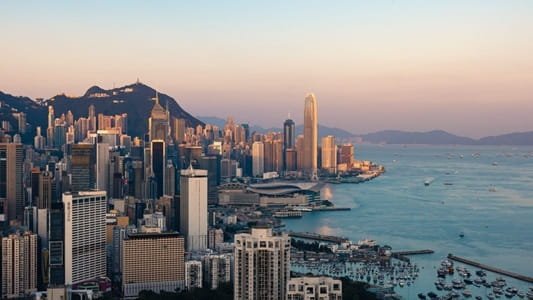
Hong Kong is one of Asia’s most extraordinary and most visually dramatic cities — a Special Administrative Region of China that combines one of the world’s most famous skylines rising above Victoria Harbour, ancient Taoist and Buddhist temples tucked into jungle-covered hillsides, one of the world’s finest dim sum and Cantonese cuisine traditions, a shopping infrastructure of international scale and diversity, the serene outlying islands of Lantau, Lamma, and Cheung Chau accessible by ferry from the Central Pier, the spectacular Victoria Peak panorama of the harbour and Kowloon, the Tsim Sha Tsui waterfront promenade’s nightly Symphony of Lights, the street market energy of Temple Street Night Market, and the most densely packed tram network in Asia clattering through the historic Central and Wan Chai districts. Whether you are planning a food and shopping expedition, a heritage temple circuit, a hiking adventure on Hong Kong’s surprisingly extensive trail network, a harbour cruise, a Lantau Island and Big Buddha day trip, a Disneyland family visit, or an immersion in one of the world’s most intensely lived urban environments, choosing the best time to visit Hong Kong shapes your comfort, your activity options, your hotel costs, and the overall character of what this remarkable city offers.
Hong Kong Travel Overview
| Factor | Details |
| Best Overall Time | October to December |
| Second Best Time | March to April |
| Peak Tourist Season | December to February and October |
| Cheapest Time to Visit | June to September |
| Best for Outdoor Activities | October to December |
| Best for Hiking | October to April |
| Best for Honeymoon | October to December |
| Best for Families | October to April |
| Best for Budget Travelers | June to August |
| Average Temperature | 10°C to 33°C (varies by season) |
Why Timing Matters When Visiting Hong Kong
Hong Kong experiences four distinct seasons — a cool dry winter, a warm spring, a hot and typhoon-prone summer, and the prized autumn window that most experienced travellers consider the city’s finest period. The subtropical climate means summer brings intense heat, extremely high humidity, and the serious risk of typhoons — tropical cyclones that can shut down the city completely for 24-hour periods when signals are raised to the highest levels.
Understanding these seasonal patterns is particularly important because Hong Kong is one of Asia’s premier shopping and business travel destinations that operates almost continuously — but the quality of the outdoor experience, the comfort of sightseeing, and the overall livability of a visit change dramatically between the clear, cool October and the steaming, typhoon-interrupted August.
Visiting Hong Kong During Autumn (October to December)
Autumn is universally considered the best time to visit Hong Kong — the period when the heat and humidity of summer have retreated, typhoon season has passed, and the city reveals itself in its most comfortable and most photogenic form.
Weather During Autumn
Temperatures range between 18°C and 28°C in October, dropping progressively to a comfortable 12°C to 24°C in December. Humidity drops dramatically from the summer’s 85-90 percent to a much more comfortable 65-70 percent. Skies are consistently blue and clear with excellent visibility — the perfect conditions for the Victoria Peak panorama and the Symphony of Lights harbour view.
Why Visit Hong Kong in Autumn?
- The Victoria Peak Tram ascent to 552 metres above the harbour delivers the year’s clearest and most dramatic city and harbour panorama under crisp autumn skies — visibility extending to Macau on the finest clear days
- The Lantau Island cable car (Ngong Ping 360) ascends to the Tian Tan Big Buddha in the most beautifully clear conditions of the year
- Hong Kong’s extraordinary network of hiking trails — Dragon’s Back, MacLehose Trail, Wilson Trail — are most pleasantly walked in the cool, low-humidity autumn air
- The Symphony of Lights nightly light show across Victoria Harbour is most vibrantly viewed from the Tsim Sha Tsui waterfront promenade in the clear, comfortable October evenings
- Cheung Chau Island, Lamma Island, and the outlying island ferry circuit are most enjoyable without the summer’s oppressive heat
- The Phuket Vegetarian Festival’s Hong Kong equivalent — the Cheung Chau Bun Festival falls in spring, but autumn has its own rich cultural calendar
- Hotel rates are moderate — below the January Chinese New Year peak and above the summer monsoon low
- The Tung Wan Beach on Cheung Chau and Stanley Beach are warm enough for swimming through October
Autumn is the most celebrated season for Hong Kong’s discerning travellers and most frequently recommended by the city’s experienced visitors.
Best Places to Visit
Victoria Peak
The iconic Peak Tram ascent to Victoria Peak’s viewing platforms — where Hong Kong’s legendary skyline of glass towers on Hong Kong Island faces across the harbour to Kowloon’s dense urban mass — is most dramatically rewarding in October and November when the air is clear, the humidity is low, and the 360-degree panorama extends to the surrounding hills without the summer haze that obscures distant views.
Hong Kong Disneyland (Lantau Island)
The autumn season transforms Hong Kong Disneyland with Halloween celebrations through October — Halloween parades, villain-themed shows, and elaborate decorations make this arguably the finest single month in the theme park’s annual calendar, combined with comfortable walking weather.
Tsim Sha Tsui Waterfront Promenade
The 3-kilometre Avenue of Stars promenade along Kowloon’s Victoria Harbour waterfront is most pleasantly walked in the autumn evening air, offering both the Symphony of Lights show and the finest unobstructed views of the Hong Kong Island skyline.
Dragon’s Back Hiking Trail
Rated one of Asia’s finest urban hikes — a 8.5-kilometre trail along the ridgeline of the Dragon’s Back offering panoramic South China Sea and Shek O Beach views — is most beautifully and most safely hiked in the comfortable October to November temperatures.
Advantages of Autumn Travel
- Most comfortable temperatures and lowest humidity for outdoor activity
- Victoria Peak and harbour panoramas most dramatically clear
- Hong Kong’s hiking trails most comfortably accessible
- Typhoon season has completely passed — no weather disruption risk
- Halloween celebrations at Disneyland add exceptional seasonal character
Disadvantages
- October is one of Hong Kong’s most popular months — hotel rates are at a moderate-high level
- National Day Golden Week in early October (Chinese public holiday) brings significant Mainland Chinese visitor numbers to all major attractions
- December hotel rates rise toward the Christmas and New Year period
November — Hong Kong’s Single Finest Month
November represents the peak of Hong Kong’s autumn finest — the summer heat has fully retreated, the air is most crystal clear and most comfortable, and the city is operating at its most vibrant without the maximum-price Christmas-New Year surge.
What Makes November Special?
- Post-typhoon season clarity at maximum — the clearest air of the entire year
- Temperatures between 18°C and 26°C — the most comfortable single month for extended outdoor exploration
- All outdoor activities from hiking to harbour cruising fully operational in ideal conditions
- Hotel rates are moderate — below the December Christmas surge
- The Hong Kong International Cricket Sixes in November and various cultural events fill the entertainment calendar
- The outdoor seafood restaurants of Sai Kung and Lamma Island are most pleasantly enjoyed in November’s comfortable evening air
Visiting Hong Kong During Winter (December to February)
Hong Kong winter is one of Asia’s most pleasant winter experiences — cool and dry with clear skies, but rarely genuinely cold in the way that northern Chinese cities experience. The festive Christmas and Chinese New Year periods create two distinct peaks within this season.
Weather During Winter
Temperatures range between 10°C and 20°C — mild enough for comfortable sightseeing with a light jacket. January can occasionally see temperatures drop toward 8°C during cold fronts from northern China, but these periods are brief. Humidity is at its annual lowest — the most comfortable outdoor conditions of the year.
Why Visit Hong Kong in Winter?
- Christmas in Hong Kong is one of Asia’s finest — the Tsim Sha Tsui waterfront and Central district illuminate with spectacular Christmas lighting installations that transform the harbour-facing skyline into a festive light display
- Chinese New Year in January or February fills the streets of Wan Chai, Mong Kok, and Yuen Long with New Year market stalls, red lanterns, lion dances, and one of the world’s most spectacularly populated annual firecracker celebrations
- The lowest humidity of the year makes the Victoria Peak experience most comfortably and most clearly rewarding
- Hong Kong’s world-famous dim sum culture is most satisfying in cooler winter temperatures — the steaming har gow and siu mai feel most appropriate and most indulgent on cold mornings
- Hotel rates are at their most affordable in the quiet post-New Year January period before Chinese New Year demand
Popular Winter Attractions
Christmas Lighting in Tsim Sha Tsui
Hong Kong’s Christmas decorations along the Nathan Road and harbour waterfront in December are among Asia’s most elaborate — major hotels and shopping centres compete to produce the most spectacular illuminations, and the light display across the Harbour from both sides is genuinely extraordinary.
Chinese New Year Celebrations
The Chinese Lunar New Year — January or February depending on the calendar — brings Hong Kong’s most significant cultural celebration with the Victoria Park flower market filling the park with tens of thousands of visitors buying flowers and seasonal items for their homes, the Kowloon City lion dances, the Lam Tsuen Wishing Trees in the New Territories, and the spectacular firecracker display that is the most vibrant single event in the annual calendar.
Advantages of Winter Travel
- Christmas and Chinese New Year create the year’s two most spectacular festival periods
- Lowest humidity of the year — most comfortable outdoor conditions
- Victoria Peak most dramatically clear under blue winter sky
- World-class dim sum most satisfyingly experienced in cool weather
Disadvantages
- Christmas and New Year week (December 24 to January 2) and Chinese New Year week carry the highest hotel rates of the entire year
- Chinese New Year golden week sees maximum Mainland Chinese visitor numbers
- Cold fronts from January can occasionally drop temperatures toward 8°C requiring warm clothing
Visiting Hong Kong During Spring (March to May)
Spring is Hong Kong’s second best travel window — temperatures are pleasant, blooms fill the parks and botanical gardens, and the city operates at a comfortable level between the winter festival peak and the approaching summer heat.
Weather During Spring
Temperatures rise from 14°C to 22°C in March to a warm 26°C to 30°C in May. Humidity begins building through spring — March and April are comfortable while May starts feeling muggier as summer approaches. Occasional rain arrives from March.
Why Visit Hong Kong in Spring?
- Victoria Park’s flower market area blooms in March and April — the Victoria Peak garden is most colourful and most fragrant
- Spring temperatures are comfortable for hiking until late April before summer heat and humidity make trails more challenging
- Hotel rates are generally moderate — below both the winter festival peak and autumn rates
- The Cheung Chau Bun Festival — one of Hong Kong’s most unique annual events — occurs in May on the outlying island of Cheung Chau, featuring traditional bun towers 14 metres high and a colourful procession unique to this island
- The Hong Kong Rugby Sevens — one of the world’s most celebrated rugby tournament weekends — takes place in April at Hong Kong Stadium with an internationally famous carnival atmosphere
Popular Spring Events
Cheung Chau Bun Festival
Held for five days around the Buddha’s Birthday in May on Cheung Chau Island, this festival features a nocturnal bun scramble where competitors race up 14-metre bamboo towers covered in sacred buns, a colourful street parade featuring children dressed as immortals on “invisible” supports, and the island’s complete transformation into a vegetarian-only culinary experience for the duration of the festival.
Hong Kong Rugby Sevens
The annual international rugby tournament in April at Hong Kong Stadium is famous as much for its spectator atmosphere — elaborate costumes, worldwide team representation, and the South Stand’s legendary fancy dress tradition — as for the tournament itself.
Advantages of Spring Travel
- Comfortable temperatures for the Victoria Peak tram, hiking, and harbour cruising
- Cheung Chau Bun Festival in May is uniquely Hong Kong
- Hotel rates moderate — between winter festival peak and summer low
- Blooming parks and botanical gardens
Disadvantages
- May humidity builds toward summer levels making outdoor activity less comfortable
- June approaches with the beginning of typhoon season
- Rain increases through April and May
Visiting Hong Kong During Summer (June to September)
Hong Kong summer is the city’s most challenging and least comfortable season — typhoon-prone, extremely hot and humid, and regularly disrupted by heavy afternoon downpours. Yet it remains genuinely popular with budget travellers who find the dramatically reduced hotel rates and the indoor pleasures of Hong Kong’s shopping malls, museums, and restaurant culture entirely sufficient.
Weather During Summer
Temperatures reach 31°C to 33°C with humidity of 85 to 90 percent — the combination creates a genuinely oppressive outdoor environment. Typhoon season from late May to September brings occasional direct storm hits that can suspend all outdoor activities for 24 hours and close the airport.
Why Some Travellers Visit in Summer?
- Hotel rates drop dramatically — 50 to 70 percent below the October-November peak
- Hong Kong’s legendary indoor culture — the world’s finest shopping malls, the Tim Ho Wan dim sum at any hour, the Ocean Park and Disneyland indoor shows — all operate fully
- The Hong Kong Shopping Festival from June to August offers special retail promotions
- Dragon Boat Festival in June is one of Hong Kong’s most colourful traditional sporting events — race teams compete in colourful dragon boats off Stanley, Sai Kung, and Tsim Sha Tsui waterfronts
Advantages of Summer Travel
- Lowest hotel rates of the year — significant savings on accommodation
- Dragon Boat Festival in June creates vibrant harbour atmosphere
- Hong Kong’s indoor world — malls, museums, dim sum, film — is world-class and climate-controlled
- Shopping Festival promotions offer retail savings
Disadvantages
- Typhoon risk — a direct hit can shut down the city for 24 hours, grounding flights and suspending transport
- Extreme heat and humidity make outdoor sightseeing genuinely uncomfortable
- Victoria Peak is frequently cloud-obscured in summer reducing the panorama experience
- Hiking trails are hot, humid, and potentially dangerous in typhoon conditions
Best Time to Visit Hong Kong for Different Travellers
For Honeymooners
October to December — the harbour at Symphony of Lights under clear autumn sky, rooftop bar dinners above the glittering skyline, the Victoria Peak tram at night, and the comfortable outdoor temperature for evening waterfront walks create the most romantic version of this extraordinary city.
For Families
October for the finest combination — comfortable outdoor weather, Hong Kong Disneyland’s Halloween season, ferry trips to the outlying islands, and the Victoria Peak tram experience in clear conditions that children find most memorable.
For Budget Travellers
June to August for the lowest hotel rates — the heat is real but Hong Kong’s indoor world of food, shopping, and air-conditioned entertainment is extraordinary, and the dragon boat races provide cultural content that summer-specific visitors can enjoy.
For Hikers
October to April for the full range of Hong Kong’s surprising network of urban and countryside trails — Dragon’s Back, MacLehose Trail Stage 2, Lantau Trail, and the Wilson Trail are all most comfortably and most safely walked in this window.
For Food Enthusiasts
Year-round — Hong Kong’s Cantonese cuisine, dim sum culture, and street food scene are entirely seasonal-independent. However, cool winter mornings are when freshly steamed dim sum in a traditional teahouse feels most authentically and most perfectly Hong Kong.
Best Time for Victoria Peak
The Victoria Peak tram experience is Hong Kong’s single most iconic activity.
Ideal Months
October to April for the clearest panoramas and most comfortable outdoor conditions at the summit.
The Victoria Peak experience includes:
- The Peak Tram ascent — 552 metres from Central through dense subtropical hillside in a dramatically steep cable car
- The Peak Tower and Sky Terrace 428 — Hong Kong’s highest public viewing platform at 428 metres
- The Peak Circle Walk — a 3.5-kilometre paved loop offering 360-degree views at various points
- Night visit for the most dramatically photographic city skyline view — Hong Kong at night is among the world’s finest urban nightscapes
Book Peak Tram tickets online in advance to avoid long queues — the tram is the most popular single tourist activity in Hong Kong and queues without pre-booking can exceed 2 hours.
Festivals and Events in Hong Kong
Chinese New Year
The Lunar New Year — Hong Kong’s largest annual celebration — brings the Victoria Park flower market, lion dances on every street, the Lam Tsuen Wishing Trees, and the annual fireworks display over Victoria Harbour in January or February.
Cheung Chau Bun Festival
A five-day unique celebration in May on Cheung Chau Island featuring bun towers, children’s processions, and the midnight bun scramble — one of Hong Kong’s most distinctively local annual events.
Dragon Boat Festival
Held in June on the full moon of the fifth lunar month — dragon boat races across Hong Kong’s various typhoon shelters and bays create the year’s most visually colourful traditional sporting events.
Travel Tips for Visiting Hong Kong
To make your Hong Kong visit most rewarding, consider these practical guidelines:
- Purchase an Octopus card at the airport — this stored-value smart card covers the MTR metro, trams, buses, Star Ferry, and some retail stores for seamless cashless travel across the city.
- Book Victoria Peak Tram tickets online in advance through the Peak Tram website — the queue without pre-booking can be 1 to 2 hours during peak periods.
- The Star Ferry crossing between Central and Tsim Sha Tsui costs approximately HK$2.70 and is one of the world’s finest value travel experiences — the harbour crossing with city skyline views is best at dusk.
- Typhoon signals during summer travel: Signal 3 means public transport operates but outdoor activities are inadvisable. Signal 8 means the city shuts down and visitors must shelter in place. Check the Hong Kong Observatory website for current signals.
- Dim sum restaurants are most authentically experienced for breakfast (7 to 11 AM) or lunch (11 AM to 2 PM) — avoid dinner dim sum which is a tourist-oriented adaptation of the tradition.
- The MTR is Hong Kong’s most reliable, most efficient, and most air-conditioned transport — use it for all cross-harbour and inter-district travel in preference to taxi.
Conclusion
The best time to visit Hong Kong is from October to December — the autumn season when temperatures are most comfortable, humidity is lowest, typhoon season is over, skies are consistently clear for the Victoria Peak panorama and Symphony of Lights harbour view, and the city’s outdoor culture from hiking to harbour cruising to island hopping is at its most fully and most comfortably activated.
November stands out as Hong Kong’s single finest month — the year’s clearest air, the most comfortable temperatures, hotel rates below the Christmas surge, and every outdoor and indoor attraction operating in the most rewarding conditions combine to make November the most consistently excellent single month for every type of visitor.
Whether you come for the Victoria Peak panorama, the dim sum breakfast at a Wan Chai teahouse, the Dragon’s Back hike, the Symphony of Lights from the Tsim Sha Tsui waterfront, the Chinese New Year’s firecracker drama, the Cheung Chau Bun Festival’s extraordinary spectacle, or simply the experience of one of Asia’s most extraordinary cities in its most dynamic and most comfortable form, Hong Kong will reward you with an urban intensity and cultural richness that is genuinely and completely its own.
Frequently Asked Questions
Q1. What is the best month to visit Hong Kong?
A: November is the finest single month — the year’s clearest air, most comfortable temperatures, lowest humidity, hotel rates below the December-Christmas surge, and every attraction from Victoria Peak to Dragon’s Back hiking in ideal conditions.
Q2. When is typhoon season in Hong Kong?
A: Typhoon season runs from May to September with July, August, and September seeing the highest risk. A Typhoon Signal 8 shuts down the entire city. Check the Hong Kong Observatory website for current warnings if travelling during this period.
Q3. Is Hong Kong worth visiting in summer?
A: For budget travellers who prioritise Hong Kong’s extraordinary indoor food and shopping culture over outdoor sightseeing, yes. Hotel rates drop 50 to 70 percent and the Dragon Boat Festival in June provides cultural content. The heat, humidity, and typhoon risk make outdoor activities challenging.
Q4. When is Chinese New Year in Hong Kong?
A: Chinese New Year follows the lunar calendar and falls in late January or February each year — the exact date shifts annually. The Victoria Park flower market and the harbour fireworks display are the most celebrated public events of the Hong Kong festival year.
Q5. How many days are enough for Hong Kong?
A: Three to four days comfortably covers Victoria Peak, the Star Ferry harbour crossing, a dim sum breakfast, Temple Street Night Market, Tsim Sha Tsui waterfront, Lantau Island’s Big Buddha, and a day trip to an outlying island. Extend to 5 to 6 days for a comprehensive city and nature exploration.