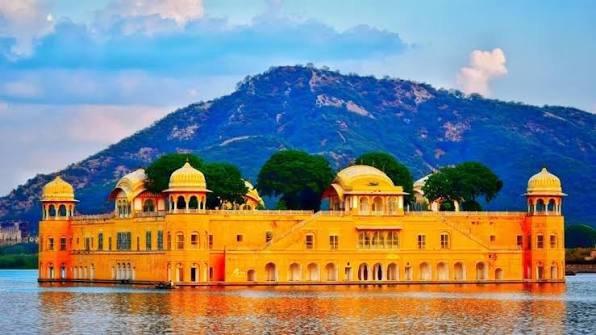
Jaipur is one of India’s most magnificent and historically rich travel destinations, famous for its rose-pink sandstone forts and palaces, the soaring Amber Fort rising above the Aravalli hills, the five-storey latticed Hawa Mahal overlooking the old city bazaar, the grand City Palace complex still home to the Jaipur royal family, the astronomical observatory of Jantar Mantar, and the colourful, fragrant bazaars selling everything from block-printed textiles to blue pottery and Rajasthani jewellery. Whether you are planning a heritage tour, a family holiday, a honeymoon, a photography expedition, or a cultural immersion into Rajasthan’s royal past, choosing the best time to visit Jaipur significantly shapes the quality and comfort of your experience.
Known as the Pink City of India, Jaipur sits in the semi-arid landscape of eastern Rajasthan and experiences extreme seasonal variation — from scorching 45°C summers to cool 5°C winter mornings — with each season creating a very different travel experience. Understanding when to visit ensures your Jaipur trip is comfortable, well-timed with festivals, and financially optimal.
Jaipur Travel Overview
| Factor | Details |
| Best Overall Time | October to March |
| Peak Tourist Season | November to February |
| Cheapest Time to Visit | July to September |
| Best for Sightseeing | November to February |
| Best for Festivals | January, March, and October to November |
| Best for Honeymoon | November to February |
| Best for Photography | October to March |
| Best for Budget Travelers | Monsoon Season |
| Best for Families | October to March |
| Average Temperature | 5°C to 45°C (varies by season) |
Why Timing Matters When Visiting Jaipur
Jaipur experiences three major seasons — winter, summer, and monsoon. The contrast between them is dramatic. Winter transforms the Pink City into a comfortable, vibrant, and festive destination ideal for long days of fort and palace exploration. Summer brings temperatures that make midday sightseeing genuinely dangerous. Monsoon offers budget travel and a romantically washed version of Jaipur’s rose-pink architecture.
The best time to visit Jaipur depends on your travel purpose, budget, and physical tolerance for heat. For most visitors, winter is the clear answer.
Visiting Jaipur During Winter (October to March)
Winter is universally considered the best time to visit Jaipur. During these months, the city is at its most comfortable, most festive, and most photogenic — the cool, dry air makes all-day sightseeing genuinely pleasurable, and the festival calendar reaches its most vibrant peak.
Weather During Winter
Temperatures range between 8°C and 26°C. December and January are the coldest months with mornings occasionally dropping below 5°C. March warms pleasantly toward 30°C. Days are bright, sunny, and dry with very low humidity — perfect conditions for extended outdoor exploration.
Why Visit Jaipur in Winter?
- Cool, comfortable temperatures for all-day fort and palace exploration
- The famous Jaipur Literature Festival in January draws writers, thinkers, and readers from across the world to its open-air venues at Diggi Palace
- The Kite Festival on Makar Sankranti in January fills the Jaipur sky with thousands of colourful kites in a spectacular cultural celebration
- The Elephant Festival — held the day before Holi in March — is one of Rajasthan’s most visually dramatic events with decorated elephants, polo matches, and processions
- Diwali and Dussehra in October and November transform the walled city with spectacular illuminations and celebrations
- The Jaipur Wax Museum, all heritage sites, and bazaar shopping are most comfortable in cool winter air
- Clear skies provide the year’s finest photography conditions for fort and palace architecture
Winter is the most popular, most accessible, and most fully activated season for Jaipur travel.
Best Places to Visit
Amber Fort
The most magnificent of Jaipur’s many forts, Amber Fort sits on a hilltop 11 kilometres from the city, reached by elephant ride or jeep. Winter conditions — cool temperatures and clear golden light — create the finest conditions for exploring its mirror palace, sheesh mahal, and panoramic ramparts without heat fatigue.
Hawa Mahal
The iconic five-storey latticed facade of the Palace of Winds is most beautifully photographed in the clear winter morning light from the small café across the road. The interior’s 953 small windows were designed to allow royal ladies to observe the street life below while remaining unseen.
City Palace
The living palace complex at the heart of the walled city contains museums of royal textiles, weapons, and art alongside courtyards and ceremonial halls that remain remarkably intimate despite their grandeur. Winter evenings at the palace are particularly atmospheric.
Jantar Mantar
The UNESCO-listed astronomical observatory built by Maharaja Jai Singh II in 1734 contains the world’s largest stone sundial and 19 precision astronomical instruments. The clear winter skies make the observatory most functionally impressive during daytime visits.
Advantages of Winter Travel
- Ideal temperatures for extended outdoor fort and palace exploration
- Richest festival calendar of the year
- Clear skies for outstanding heritage photography
- All bazaars, sightseeing, and activities fully operational
- Most comfortable conditions for walking the old walled city lanes
Disadvantages
- Peak season hotel rates, particularly December through January
- Popular attractions like Amber Fort and Hawa Mahal can be crowded
- Jaipur Literature Festival week in January requires advance hotel booking months ahead
- Morning fog in December and January occasionally delays road and air travel
January — Jaipur’s Festival Month
January is the single most culturally vibrant month in Jaipur’s annual calendar, anchored by two extraordinary events that together define the city’s identity as India’s most celebrated cultural destination.
What Makes January Special?
- Jaipur Literature Festival at Diggi Palace — five days of world-class literary discussions, debates, and performances drawing hundreds of authors and thousands of visitors
- Kite Festival on Makar Sankranti transforms the rooftops and open spaces of the walled city into a sky filled with thousands of competing kites
- Cool, crisp January weather at 10°C to 22°C is the year’s most comfortable for outdoor exploration
- Hotel rates peak around the Literature Festival — book 3 to 4 months in advance for this specific week
Visiting Jaipur During Autumn (October to November)
October and November represent Jaipur’s most festive and colourful seasonal window, when the monsoon has cleared, Dussehra and Diwali fill the walled city with light and celebration, and the temperature transitions from monsoon warmth to comfortable winter conditions.
Weather During Autumn
Temperatures range between 20°C and 30°C — warm and sunny without the extreme heat of summer. October averages around 30°C while November drops comfortably to 22 to 26°C.
Why Visit Jaipur in Autumn?
- Dussehra celebrations in October feature spectacular Ramlila performances across the city
- Diwali illuminates Jaipur’s pink sandstone forts and palaces with thousands of oil lamps and fireworks in one of Rajasthan’s most visually magical annual moments
- Post-monsoon freshness gives the walled city a clean, washed quality after the rains
- Hotel rates are below the December-January peak
- Fewer crowds than the core winter months while weather is entirely comfortable
Popular Autumn Attractions
Diwali in Jaipur’s Walled City
The old city and its surrounding forts are spectacularly lit during Diwali — Nahargarh Fort and Amber Fort are illuminated against the dark sky in a display that draws visitors specifically for this moment from across India.
Bazaar Shopping Post-Monsoon
Jaipur’s famous bazaars — Johari Bazaar for jewellery, Bapu Bazaar for textiles, Nehru Bazaar for footwear — are most inviting in October and November when the heat has abated and shopkeepers are restocking fresh inventory.
Advantages of Autumn Travel
- Most spectacular festival illuminations of the year at Diwali
- Comfortable temperatures for all outdoor activities
- Hotel rates below winter peak levels
- Post-monsoon freshness gives the architecture a vibrant, clean quality
Disadvantages
- Diwali week sees significant domestic tourist crowds
- October is still transitioning from summer warmth — afternoons can be warm
Visiting Jaipur During Summer (April to June)
Summer in Jaipur is intense and challenging. Temperatures regularly cross 40°C and can reach 45°C or above during May and June, making afternoon sightseeing at outdoor forts and palaces genuinely uncomfortable and potentially risky.
Weather During Summer
Temperatures range between 30°C and 45°C with May and June being the hottest months. Hot, dry winds called loo blow across the city in the afternoons and can make outdoor exposure physically taxing.
Why Some Travellers Visit Jaipur in Summer?
- Lowest hotel rates of the year — luxury heritage hotels at accessible prices
- Crowd-free monuments and forts accessible without queuing
- Early morning sightseeing before 9 AM and evening visits after 5 PM are comfortable
- The Gangaur Festival in March and the Elephant Festival before Holi fall in early summer transition months
Best Summer Activities
- Pre-dawn Amber Fort visits before heat builds
- City Palace museum exploration in the cooler morning hours
- Bazaar shopping in the cooler evenings
- Johari Bazaar for jewellery shopping in air-conditioned settings
- Evening sound and light shows at heritage forts
Benefits of Summer Travel
- Lowest accommodation rates of the year
- Empty monuments with ideal photography access
- Luxury heritage hotels at budget-friendly rates
- Unhurried bazaar and shopping experiences
Drawbacks
- Afternoon temperatures of 40 to 45°C make outdoor activity dangerous
- The famous outdoor attractions — Amber Fort ramparts, Nahargarh hilltop — are genuinely uncomfortable midday
- Hot, dry loo winds make even shaded outdoor spaces uncomfortable in the afternoons
- Not recommended for young children or elderly travellers without careful midday planning
Visiting Jaipur During Monsoon (July to September)
Monsoon brings relief from the summer heat and a romantically washed quality to Jaipur’s rose-pink architecture — the rain cleans the sandstone forts and palaces and gives them a particularly vivid, saturated colour that photography enthusiasts find genuinely beautiful.
Weather During Monsoon
Temperatures drop to 25°C to 35°C with regular rainfall — Jaipur receives approximately 650 mm annually, most of it in July to September. The air cools significantly after rain events, providing brief periods of genuine comfort.
Why Visit Jaipur During Monsoon?
- Post-rain Jaipur is particularly photogenic with clean sandstone and dramatic cloud formations
- Lowest hotel rates of the year alongside summer
- The Teej Festival in July or August — celebrating the monsoon goddess and the bond between Shiva and Parvati — brings women in green and red attire with decorated swings to the walled city streets
- Gangaur processions and Teej celebrations are among Rajasthan’s most colourful and authentic festivals
- Relatively fewer international tourists during this period
Popular Monsoon Attractions
Teej Festival
This predominantly feminine festival celebrated in July or August transforms Jaipur’s old city with processions of women in green attire, decorated palanquins, and folk songs celebrating the monsoon season in one of Rajasthan’s most authentically cultural annual events.
Walled City Photography in Rain
The narrow lanes of the walled city after rain, with pink sandstone walls gleaming and locals going about their post-rain daily routines, create some of the year’s finest street photography opportunities.
Advantages of Monsoon Travel
- Lowest hotel rates of the year
- The Teej Festival is one of Rajasthan’s most authentic cultural experiences
- Post-rain Jaipur architecture is most vividly coloured and photogenic
- Significantly fewer tourists at all major attractions
Disadvantages
- Occasional heavy downpours can disrupt outdoor sightseeing plans
- Humidity after rain is uncomfortable
- Some outdoor heritage activities are restricted in heavy rain
Best Time to Visit Jaipur for Different Travellers
For Honeymooners
November to February is ideal — the cool romantic atmosphere, the illuminated forts, the rooftop restaurant dining under clear winter skies, and the intimate character of heritage hotel stays create an exceptional honeymoon experience.
For Families
October to March provides comfortable temperatures for all ages, all attractions fully operational, and the festival calendar offering children genuinely memorable cultural experiences.
For Budget Travellers
July to September and April to June both offer the lowest hotel rates. Monsoon is preferable for those wanting some outdoor activity — the Teej Festival and early morning sightseeing remain rewarding despite the rain.
For Photographers
October for post-monsoon colour and festival photography, January for the kite festival sky and winter light on sandstone, and March for the Elephant Festival create three distinct and outstanding photography opportunities.
For Festival Lovers
January’s Kite Festival and Literature Festival, March’s Elephant Festival and Holi, October and November’s Dussehra and Diwali make Jaipur one of India’s richest festival destinations across the winter and spring season.
Best Time for Fort and Palace Sightseeing in Jaipur
Heritage sightseeing is the defining Jaipur activity and timing matters significantly.
Ideal Months
October to February for the most comfortable full-day heritage exploration.
Popular sightseeing includes:
- Amber Fort — hilltop palace with elephant rides and mirror rooms
- Hawa Mahal — five-storey latticed facade of the Palace of Winds
- City Palace — royal complex with museums and ceremonial courts
- Jantar Mantar — UNESCO observatory with the world’s largest sundial
- Nahargarh Fort — hilltop rampart with panoramic Jaipur views at sunset
- Jaigarh Fort — cannon foundry fort connected to Amber by underground passage
Allow at least 3 hours for Amber Fort and 1 to 2 hours each for the remaining heritage sites.
Festivals and Events in Jaipur
Jaipur’s festival calendar is the richest of any Indian city outside of Varanasi.
Jaipur Literature Festival
Held every January at Diggi Palace, this five-day event is the world’s largest free literary festival drawing hundreds of authors, poets, and thinkers to discuss literature, politics, culture, and ideas in outdoor session marquees across the historic palace grounds.
Kite Festival — Makar Sankranti
Celebrated on January 14 or 15 each year, the Kite Festival fills Jaipur’s rooftops and open spaces with thousands of competing kites in a celebration that has been at the heart of Rajasthani culture for centuries.
Elephant Festival
Held the day before Holi in March at the Chogan Stadium near Amber Fort, this spectacular event features decorated elephants in elaborate painted designs competing in polo matches, races, and processions in one of Rajasthan’s most visually dramatic annual celebrations.
Travel Tips for Visiting Jaipur
To make your Jaipur visit most rewarding and comfortable, consider these practical tips:
- Book Jaipur Literature Festival week accommodations at least 3 to 4 months in advance — January is the year’s most competitive hotel booking period.
- The composite ticket covering Amber Fort, City Palace, Jantar Mantar, Nahargarh, and Jaigarh provides excellent value for multiple heritage site visits.
- Visit Amber Fort before 9 AM in winter to avoid crowds and photograph the fort in the finest morning light.
- Hire a local auto-rickshaw driver for the full day — an experienced driver serves as navigator, guide, and traffic manager simultaneously.
- Carry a refillable water bottle and drink frequently — even in winter, the dry Rajasthan air dehydrates faster than visitors expect.
- Bargaining is expected and accepted in Jaipur’s bazaars — start at 50 percent of the asking price as a general benchmark.
- Nahargarh Fort at sunset, when the entire Pink City turns golden below, is one of India’s finest sunset viewpoints.
Conclusion
The best time to visit Jaipur is between October and March, when the weather is pleasantly cool, the festival calendar is at its most vibrant, the rose-pink sandstone forts and palaces glow under clear winter skies, and the walled city bazaars are most inviting for long days of sightseeing and shopping. November and January stand out as the two finest individual months — November for Diwali illuminations and October’s post-monsoon freshness, January for the Kite Festival and the Literary Festival that brings the city to intellectual and cultural peak.
However, every season has its committed visitors. Monsoon’s Teej Festival and washed-pink architecture attract photographers and budget travellers. Summer’s crowd-free monuments and budget luxury hotel rates appeal to flexible visitors willing to plan around the heat.
Whether you come for Amber Fort’s mirror rooms, the Hawa Mahal’s latticed silhouette against the Jaipur sky, the Kite Festival’s thousand-kite spectacle, or simply the profound pleasure of walking the walled city lanes among spice merchants, jewellers, and textile sellers who have been here for generations, Jaipur will deliver an experience that captures the very essence of Rajasthan’s royal heritage.
Frequently Asked Questions
Q1. What is the best month to visit Jaipur?
A: January and November are the two finest months — January for the Kite Festival, Literature Festival, and perfect winter weather; November for Diwali illuminations, comfortable temperatures, and moderate crowds.
Q2. Is Jaipur worth visiting in summer?
A: For budget travellers who plan all outdoor activity before 10 AM and after 5 PM, yes — the forts are crowd-free and heritage hotels are at their most affordable. Afternoon sightseeing is not recommended as temperatures reach 40 to 45°C.
Q3. What is the peak tourist season in Jaipur?
A: November to February is peak season with the heaviest international and domestic tourist presence. January’s Jaipur Literature Festival week is the single most crowded and most expensive period.
Q4. Is Jaipur safe and rewarding during monsoon?
A: Yes — the Teej Festival is one of Rajasthan’s most authentic cultural experiences, hotel rates are low, and post-rain sandstone photography is exceptional. Outdoor sightseeing requires flexible planning around rainfall.
Q5. How many days are enough for Jaipur?
A: A 2 to 3-day visit covers Amber Fort, Hawa Mahal, City Palace, Jantar Mantar, Nahargarh Fort, and the walled city bazaars comfortably. Extend to 4 to 5 days to include Jaigarh, Abhaneri step-well, and day trips to Pushkar or Ranthambhore.