There’s a specific moment many Delhi and Nagpur homeowners describe almost identically: standing near a window in May, AC running at full blast, and still feeling heat radiating off the metal frame itself. That sensation — cool air fighting a losing battle against a frame that’s essentially importing the outdoor temperature into the room — is usually the first real signal that standard aluminum has hit its limit and thermally broken windows are worth considering. The harder question isn’t whether thermally broken windows perform better technically, since they generally do, but whether a given home has actually reached the point where upgrading makes financial and practical sense rather than just theoretical sense.
This is really a timing question more than a technology question, and the answer depends on a combination of climate exposure, how the existing windows are behaving, and what’s already been tried.
The Clearest Signal: Rooms That Never Quite Cool Down
Before looking at anything else, it’s worth paying attention to a pattern many homeowners notice but don’t immediately connect to the windows.
- A room with large aluminum-framed windows takes noticeably longer to cool than similarly sized rooms elsewhere in the home, even with the same AC capacity.
- The AC seems to run constantly without the room ever feeling fully comfortable, particularly in the late afternoon when accumulated heat peaks.
- Placing a hand near the interior frame during peak summer reveals it’s warm to the touch — sometimes uncomfortably so — while the wall around it stays cool.
- The discomfort is worse on west- and south-facing rooms, where direct sun exposure compounds the frame’s heat conduction for several hours daily.
If this describes a specific room in the house rather than a general complaint about summer heat, it’s a strong early indicator that the frame itself, not just the AC or insulation, is contributing meaningfully to the problem.
When the Cooling Bill Tells the Real Story
Sometimes the discomfort isn’t as obvious as a hot frame, but the electricity bill has been quietly making the case for months.
- Cooling costs have crept upward over recent summers without a clear explanation — no new appliances, no change in household size, no unusually extended heat wave.
- A home with large glazed areas or floor-to-ceiling windows carries a disproportionate share of its cooling load through those surfaces compared to homes with smaller window-to-wall ratios.
- Comparing bills against similarly sized homes or flats in the same building sometimes reveals a gap that’s hard to explain by usage habits alone.
Tracking this over at least one full summer season, rather than reacting to a single unusually hot month, gives a more reliable picture of whether the frame itself is the driver.
Condensation and Moisture Problems That Keep Returning
For homes in humid regions, thermally broken windows often get considered not because of heat but because of a recurring moisture issue that other fixes haven’t solved.
- Morning condensation on the interior of standard aluminum frames keeps appearing despite reasonable efforts to control indoor humidity — exhaust fans running, laundry dried elsewhere, adequate ventilation.
- Mold or mildew has started showing up on walls, curtains, or furniture near specific windows, and it traces back to the same frames each season.
- The condensation problem is worse on some windows than others in the same home, usually correlating with which ones get less airflow or face more humid exposure.
- Standard humidity-control measures have already been tried consistently for at least a season without meaningfully reducing the problem.
When condensation is persistent and localized to specific frames despite genuine effort to address indoor humidity, that’s a sign the frame’s conductivity — not just household habits — is the underlying cause, and a thermally broken upgrade addresses the root issue rather than managing symptoms indefinitely.
Renovation and Replacement Timing
Sometimes the decision isn’t driven by a specific problem at all, but by a natural opportunity that makes the upgrade cost-effective.
- A full window replacement is already being planned for other reasons — old frames failing structurally, a broader home renovation, or moving into a new construction phase — making this the moment to reconsider frame specification rather than defaulting to standard aluminum again.
- The cost difference between standard and thermally broken aluminum is smaller as a percentage of the total project cost when it’s bundled into a larger renovation, compared to a standalone frame swap.
- New construction or a major addition offers a clean opportunity to specify thermally broken systems from the start, avoiding the labor cost of removing and replacing frames again later.
- Builders or architects on premium projects increasingly default to thermally broken systems for large glazed facades, making this a natural point to align with that standard rather than retrofit later.
This is often the most financially sensible trigger point, since the incremental cost of upgrading the specification is far lower than a dedicated replacement project done purely for thermal performance.
Climate and Regional Triggers Worth Weighing Seriously
Where the home is located changes how urgently this upgrade matters, and it’s worth being honest about which regions see the clearest payoff.
- Delhi NCR, Rajasthan, central India: Long, intense summers with sustained high temperatures make the thermal gap between standard and thermally broken aluminum most financially meaningful here.
- Coastal humid cities (Mumbai, Chennai, Kochi): The condensation-reduction benefit often matters as much as or more than pure heat performance, particularly for homes with a history of moisture issues.
- Moderate climate zones (Bengaluru, Pune, hill stations): The case is weaker — standard aluminum often performs adequately enough that the upgrade cost doesn’t pay back as clearly within a reasonable ownership period.
- Homes with heavy, consistent AC dependence anywhere: Even in moderate climates, households running AC extensively for comfort or due to allergies/health reasons see more value from the upgrade than occasional-AC households.
Homeowners in the moderate-climate category aren’t wrong to consider thermally broken windows, but the payback period is longer and less certain, which is worth factoring into the decision honestly rather than assuming the upgrade always pays for itself quickly.
Situations Where It’s Reasonable to Wait
Not every home needs this upgrade immediately, and recognizing when to hold off avoids unnecessary expense.
- Existing standard aluminum frames are performing adequately, with no significant heat discomfort, condensation, or unexplained cooling cost increases.
- The home is in a moderate climate zone with limited direct sun exposure on glazed areas.
- Budget constraints make this a lower priority than other maintenance or renovation needs with more immediate impact.
- The windows are relatively new and structurally sound, making a full upgrade primarily about incremental thermal gain rather than addressing an existing problem.
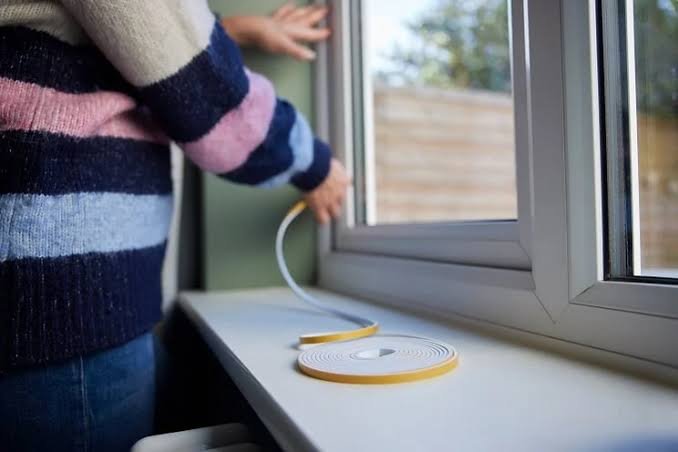
In these cases, simpler interventions — better curtains or blinds, improved ventilation, weatherstripping upgrades — can meaningfully improve comfort at a fraction of the cost of a full frame replacement.
What to Check Before Committing to the Upgrade
Once the decision leans toward upgrading, a few practical steps help avoid an expensive misstep.
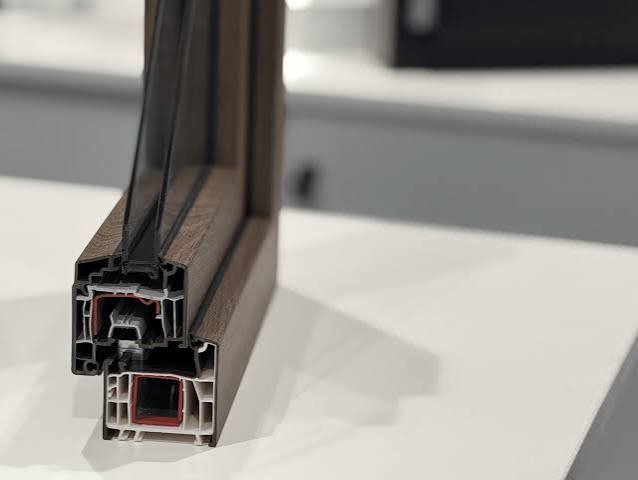
- Confirm with the fabricator or supplier that the product genuinely includes a polyamide or polyurethane thermal break, not just improved sealing or weatherstripping marketed loosely as “insulated.”
- Get a clear sense of how much of the home’s cooling load is actually tied to the windows in question versus other factors like roof insulation or wall exposure, since windows aren’t always the biggest contributor.
- Ask about warranty terms specifically for the thermal break component, since it’s a more complex assembly than standard aluminum extrusion.
- Time the installation outside of monsoon season where possible, to avoid exposure risk during the work itself.
Making the Call
The upgrade tends to make the most sense when at least two or three of the signals above are present together — hot frames during peak summer, a documented rise in cooling costs, recurring condensation despite reasonable humidity control, or a renovation already underway that makes the incremental cost small. A single mild symptom in a moderate climate zone rarely justifies the expense on its own, but a consistent pattern across a full season, especially in a hot region, is usually enough to justify moving forward.
Frequently Asked Questions
Q1. Is it possible to upgrade just the worst-affected windows first, rather than the whole house at once?
Yes, many homeowners start with the rooms showing the clearest heat or condensation problems — often west-facing bedrooms or large living room glazing — and phase the rest over subsequent years as budget allows, which is a reasonable approach as long as the fabricator can match profiles consistently across phases.
Q2. How quickly should I expect to notice a difference in comfort after installation?
The change in how the frame itself feels to the touch is immediate, but the impact on cooling bills is best judged across a full subsequent summer rather than the first few weeks, since short-term weather variation can mask or exaggerate the actual improvement.
Q3. Does upgrading to thermally broken windows also help during winter, or is the benefit only about summer heat?
Both directions benefit, since the thermal break reduces heat transfer either way, though for most Indian climate zones outside genuinely cold hill regions, the summer cooling benefit tends to be the more financially significant one given how much longer and more intense the hot season typically is.