Ask any experienced home baker in India why their cookies always turn out better than a rushed batch, and chances are the answer involves patience — specifically, the patience to chill cookie dough before it goes into the oven. It’s a step many beginners skip, especially when cravings hit and the oven is already preheating. But chilling cookie dough isn’t just an optional extra step; it directly affects texture, spread, flavour, and appearance. Here’s why this small pause makes such a big difference.
What Actually Happens When You Chill Dough
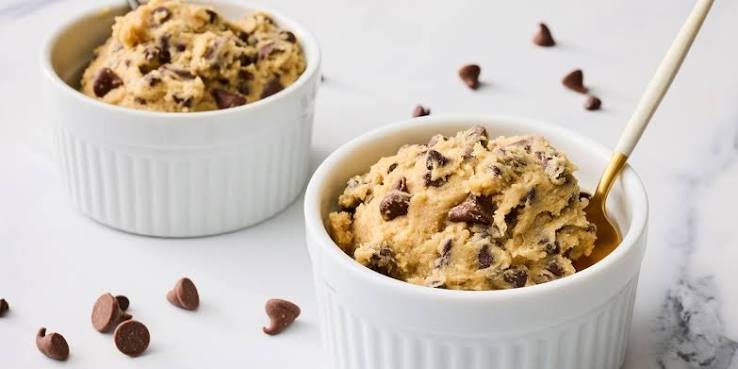
Cookie dough is essentially a mix of fat, flour, sugar, and liquid, and each of these behaves differently once cooled. Chilling solidifies the fat (usually butter or ghee) so it melts more slowly in the oven, giving the flour more time to absorb moisture and the flavours more time to blend together fully.
- Solid, cold fat melts gradually during baking instead of instantly, which controls how much the cookie spreads
- Flour has time to fully hydrate, resulting in a smoother, more cohesive dough structure
- Sugar partially dissolves into the liquid components, deepening flavour and improving the final texture
- Resting allows gluten strands (formed during mixing) to relax, preventing tough or chewy cookies
The Spread Problem: Why Unchilled Dough Fails
One of the most common complaints from home bakers is cookies turning into flat, greasy discs instead of holding their shape. This almost always comes down to warm dough going straight into a hot oven.
- Warm butter melts too quickly, causing the dough to spread out before the structure has a chance to set
- Flat, thin cookies often lack the chewy centre and crisp edge contrast that makes good cookies enjoyable
- In Indian kitchens, especially during summer months when room temperatures often cross 30°C, this problem becomes even more pronounced
- Excess spreading can also cause cookies to merge together on the baking tray if not spaced properly
How Long Should You Actually Chill Cookie Dough?
Chilling time depends on the type of cookie and how humid or warm your kitchen is, which matters a lot in Indian conditions.
- Minimum effective chilling: 30 minutes in the refrigerator for most standard cookie doughs
- Ideal chilling window: 2 to 4 hours for noticeably better texture and flavour development
- Overnight chilling (12–24 hours): Produces the deepest flavour and best texture, especially for chocolate chip or butter-based cookies
- Extended chilling (up to 72 hours): Works well for advance preparation, though dough should be well-wrapped to prevent drying out
- Doughs made with ghee, which is common in Indian cookie recipes, may need slightly longer chilling since ghee has a different melting behaviour than butter
Flavour Development: The Overlooked Benefit
Chilling isn’t only about texture and shape — it plays a major role in how the final cookie tastes, something many bakers don’t realise until they try both methods side by side.
- Enzymes in the flour slowly break down starches into sugars during the resting period, enhancing natural sweetness
- Overnight-chilled dough often develops a richer, almost caramelised flavour once baked
- Ingredients like vanilla, cardamom, or cinnamon (popular additions in Indian-style cookies) have more time to infuse throughout the dough
- The contrast between flavour depth in a rested dough versus a freshly mixed one is often described as “night and day” by professional bakers
Practical Tips for Chilling Cookie Dough in Indian Kitchens
Given the warmer average temperatures across most of India, a few adjustments can make the chilling process more effective.
- Always cover the dough tightly with cling film to prevent it from absorbing odours from other items in the fridge
- If your refrigerator runs on the warmer side, consider portioning the dough into individual balls before chilling for faster, more even cooling
- During power cuts, which remain common in several parts of the country, avoid leaving dough out for extended periods once it has started chilling
- Bring extremely cold, overnight-chilled dough to sit at room temperature for 5 to 10 minutes before baking if it’s too hard to scoop
Frequently Asked Questions
Q. Can I skip chilling entirely if I’m using ghee instead of butter, since ghee is already semi-solid at room temperature?
No, ghee still needs to be chilled along with the rest of the dough, since Indian room temperatures — especially in summer — can keep ghee soft enough to cause spreading. Chilling the entire dough mixture, not just the fat, ensures the flour and sugar also benefit from the resting period.
Q. My dough became rock hard after overnight chilling and is impossible to scoop — what should I do?
This happens because refrigerator temperatures firm up the fat completely, especially in doughs with a higher butter or ghee content. Simply let the dough sit at room temperature for 5 to 10 minutes before scooping, or use a warm ice cream scoop dipped in hot water to make portioning easier.
Q. Does chilling cookie dough in the freezer instead of the refrigerator work just as well?
Freezing works well for longer storage, but it’s not a direct substitute for refrigerator chilling before baking, since frozen dough needs to partially thaw first for even baking. If you’re short on time, refrigerator chilling for at least 30 minutes gives more predictable, immediate results than freezing.
Q. Will chilling the dough affect how long the cookies need to bake?
Yes, chilled dough, especially straight from the refrigerator, may need an extra 1 to 2 minutes of baking time compared to room-temperature dough, since the cookies start baking from a colder base. Keep an eye on the edges turning golden rather than relying strictly on the timer, since oven behaviour varies between models.