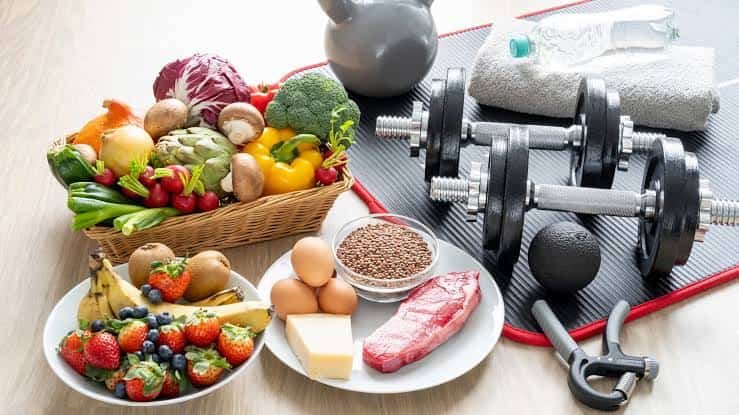
Walk into any gym in India today, and you’ll hear the same debate near the water cooler — how soon after a workout do you actually need to eat protein? With protein shakes, paneer bowls, and boiled eggs becoming common post-gym rituals across Indian cities, understanding the real science behind timing can help you get more out of every workout instead of just following gym folklore. Here’s what actually matters when it comes to eating protein after exercise.

Understanding the “Anabolic Window”
For years, fitness circles pushed the idea of a narrow 30-minute window after exercise during which protein absolutely had to be consumed, or gains would be lost. More recent research has shown this window is far more flexible than once believed.
- Muscle protein synthesis remains elevated for up to 24 to 48 hours after resistance training, not just the first 30 minutes
- The urgency of eating protein immediately matters more for fasted training than for those who ate a meal 1 to 2 hours before working out
- Total daily protein intake has a far bigger impact on muscle growth and recovery than the exact minute you eat after a workout
- The “anabolic window” concept is now considered broader and more forgiving than the strict 30-minute rule popularised in earlier fitness culture
The Practical Ideal Window
While the science shows flexibility, there’s still a sensible, practical timeframe most nutritionists recommend for optimal recovery and convenience.
- Best practical window: Within 30 minutes to 2 hours after finishing your workout
- If you trained on an empty stomach, aim closer to the 30 to 45 minute mark since your body has fewer available amino acids
- If you ate a solid meal with protein 1 to 2 hours before your workout, you can comfortably extend the post-workout window up to 3 hours
- Waiting significantly longer than 3 to 4 hours isn’t harmful, but it does delay the recovery process compared to eating sooner
How Much Protein Do You Actually Need Post-Workout?
Quantity matters just as much as timing, and many Indian gym-goers either overestimate or underestimate how much they actually need in a single sitting.
- Most adults benefit from 20 to 40 grams of protein in their post-workout meal, depending on body weight and training intensity
- Larger individuals or those doing intense strength training may benefit from the higher end of that range
- Consuming excessive protein in one sitting (60g or more) doesn’t necessarily speed up recovery further, since the body can only utilise a limited amount efficiently at once
- Spreading protein intake evenly across the day, including post-workout, tends to be more effective than concentrating it all into one large meal
Best Indian Food Options for Post-Workout Protein
You don’t need expensive imported supplements to hit your post-workout protein needs — many everyday Indian foods work extremely well.
- Paneer bowls or bhurji: A vegetarian staple offering roughly 18-20g of protein per 100g
- Boiled eggs or egg bhurji: Quick, affordable, and easily digestible after training
- Sprouts and moong dal chilla: A great plant-based option, especially for vegetarians and vegans
- Curd or Greek yoghurt with nuts: Combines protein with healthy fats for sustained recovery
- Whey protein shakes: Convenient for those who train early morning or struggle to eat a full meal right after the gym
- Chicken or fish preparations: Grilled or lightly cooked versions digest faster than heavy, oily curries
Vegetarian and Vegan Considerations
India has one of the largest vegetarian populations in the world, and post-workout protein timing requires slightly different planning for plant-based eaters.
- Plant proteins are generally digested and absorbed slightly slower than animal proteins, making the post-workout window marginally more important
- Combining different plant protein sources, like dal with rice or chickpeas with whole wheat roti, provides a more complete amino acid profile
- Soy-based products like tofu or soy chunks are excellent standalone options that closely match animal protein quality
- Vegans may need to eat slightly larger portions to hit the same protein target as their non-vegetarian counterparts, since plant sources are often less protein-dense by volume
Common Mistakes Around Post-Workout Protein
A few recurring habits can undercut the benefits of otherwise good post-workout nutrition planning.
- Relying solely on a protein shake while skipping proper meals for the rest of the day, leading to insufficient total daily intake
- Waiting too long after training simply due to lack of planning, especially on busy office days
- Pairing post-workout protein with excessive oil or ghee, which slows digestion and delays nutrient absorption
- Ignoring carbohydrates entirely post-workout, when a small amount alongside protein actually helps replenish energy stores and supports recovery
Frequently Asked Questions
Q1. I train early morning before office and don’t have time to eat a proper meal right after — is a protein shake alone enough?
Yes, a protein shake is a completely valid post-workout option when time is limited, especially since liquid protein is absorbed quickly and doesn’t require much preparation. Just make sure to follow it up with a balanced meal within the next couple of hours to cover your broader nutritional needs for the day.
Q2. Does eating protein before a workout reduce the need to eat protein immediately after?
Yes, if you’ve eaten a protein-containing meal 1 to 2 hours before training, those amino acids are still being digested and available in your bloodstream during and after your workout. This effectively widens your post-workout window, meaning you don’t need to rush to eat within minutes of finishing.
Q3. I’m vegetarian and struggle to hit 30g of protein in one post-workout meal without eating a huge portion — what can I do?
Combining a protein shake with a small vegetarian snack, like a scoop of whey mixed into a bowl of curd with soaked almonds, can help you reach your target without needing an oversized meal. Spreading the remaining daily protein target across your other meals also reduces pressure on any single post-workout sitting.
Q4. Does the type of exercise change how urgently I need to eat protein afterward?
Yes, intense strength training or heavy resistance workouts create more muscle breakdown and benefit more from timely protein intake compared to light cardio or a casual walk. For lower-intensity activities, the exact timing matters far less, and your next regular meal is usually sufficient for recovery.