Someone follows their favourite cake recipe exactly, mixes the batter carefully, slides it in — and pulls out something with a burnt top, a raw centre, and a texture nothing like what the recipe photo showed. Nine times out of ten, the actual mistake happened before the batter ever touched the oven: it went into a cold or half-heated OTG that never actually reached the recipe’s stated temperature. Preheating isn’t a formality to rush through while you finish mixing — it’s the step that determines whether your cake rises properly at all.
The Standard Answer: 10 to 15 Minutes for Most OTGs
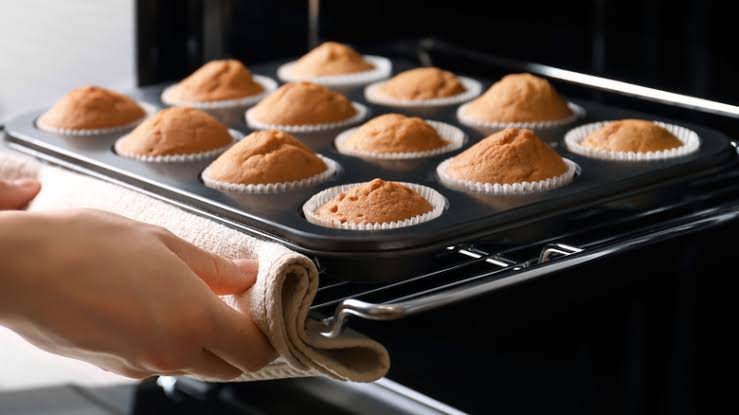
- Most OTG ovens, the standard baking appliance in Indian kitchens, need 10 to 15 minutes of preheating at your recipe’s specified temperature before the cake batter goes in
- Some sources suggest a slightly wider window of 12 to 20 minutes, depending on your specific oven’s wattage and how well-insulated the unit is
- Larger cakes or thicker batters can benefit from the fuller 20-30 minute range on the high end, since a bigger mass of batter needs a genuinely stable, fully-heated environment from the moment it enters
- Never skip this step or shorten it to save time — a cold oven increases total bake time and directly affects how well your cake rises, since the batter needs immediate, consistent heat to set its structure properly
Why Preheating Actually Matters, Not Just as a Rule to Follow
- Preheating ensures the cake starts cooking immediately upon entering the oven, which is genuinely key to good texture and proper rise
- Baking relies on a chemical reaction between raising agents and heat happening quickly and consistently — a slow, gradual temperature climb inside a cold oven disrupts this timing considerably
- Cracked cake tops, a common frustration among home bakers, often happen because the top of the cake cooks faster than the bottom is still rising and setting — inconsistent or insufficient preheating makes this problem noticeably worse
How to Actually Tell When Your OTG Has Reached Temperature
- Most OTGs will indicate when the set temperature is reached, either through an indicator light switching off or a specific chime, depending on the model
- OTG thermostats can genuinely be inaccurate, so using a separate oven thermometer placed at roughly cake height gives you a considerably more reliable read than trusting the dial alone
- With regular use, you’ll start developing a rough sense of how long your specific oven actually takes to preheat — use this experience to start preparing your batter at the right moment rather than always guessing from scratch
Standard Temperature and Timing for Most Cakes
- Most cakes bake at 180°C for approximately 25-30 minutes, though this varies depending on the specific recipe, cake size, and your oven’s actual behaviour
- Sponge cakes typically use both top and bottom heating elements together (static or conventional mode) for even heat
- If your OTG tends to brown the top too quickly, switching to bottom-element-only briefly during the first 5-8 minutes, or turning off the top element specifically, helps prevent this without undercooking the centre
- If your particular oven consistently runs hot, reducing the recipe’s stated temperature by 5-10°C and adding a couple of extra minutes per 450g of batter genuinely compensates for this without needing to guess blind each time
Practical Steps That Genuinely Improve Your Results
- Prepare your cake tin — greasing and lining with parchment paper — before you even start preheating, so everything’s ready the moment the oven signals it’s hot
- Use this preheating window productively to finish mixing your batter, rather than treating it as dead time
- Place the cake on the centre rack for even exposure to heat from both the top and bottom elements, avoiding the temptation to place it too close to either heating rod
- Resist opening the oven door during the first 20-25 minutes of baking for sponge cakes specifically — each opening causes a genuine temperature drop that can affect how evenly the cake rises
Frequently Asked Questions
Q1. Is it fine to preheat my OTG for longer than 15 minutes if I’m not quite ready with the batter?
Not ideal — preheating for significantly longer than the recommended 15-20 minutes can lead to overheating, which may throw off your actual baking temperature once the cake goes in, so it’s better to time your batter preparation to finish around when preheating completes rather than leaving the oven running much longer than needed.
Q2. Why did my cake turn out uncooked in the middle even though I preheated my OTG properly?
This is often a temperature accuracy issue rather than a preheating duration problem — OTG thermostats can run inaccurately, so using a separate oven thermometer to confirm the actual internal temperature, rather than trusting the dial setting alone, genuinely helps identify whether your oven runs hotter or cooler than what it displays.
Q3. Does the size of my cake tin affect how long I should preheat the oven?
The preheating time itself stays roughly the same regardless of tin size, since you’re heating the oven’s internal air and elements, not the tin — but larger or deeper cakes typically need a longer total baking time afterward, and starting them in a fully, properly preheated oven becomes even more important for even cooking through a bigger mass of batter.
Q4. Can I use the convection setting on my OTG to reduce preheating time?
Convection mode circulates heat more efficiently once the oven is hot, which can help with even baking, but it generally doesn’t meaningfully shorten the initial preheating window itself — you’d still want to wait the full recommended time before placing the cake in, though you may need to adjust the baking temperature slightly downward when using convection mode for the actual bake.