Nearly every Indian pantry has a shelf lined with canned goods — baked beans, tomato puree, coconut milk, corn, or pickles — ready for a quick meal. But once that lid pops open, the countdown begins, and many people aren’t sure exactly how long they have before the contents turn unsafe. Unlike unopened cans, which can last years on a shelf, opened cans behave very differently once air and bacteria enter the picture. Here’s a complete breakdown of how long various canned goods actually last after opening.
Why Opening a Can Changes Everything
An unopened can is a sealed, sterile environment where food is preserved almost indefinitely through the canning process. The moment you open it, oxygen and airborne bacteria get access to the contents, and the preservation clock effectively resets.
- Canned food should never be left in the original can once opened; always transfer it to a clean, airtight container
- Metal cans, once opened, can react with acidic foods and slightly alter taste if left in the tin for storage
- Refrigeration is essential immediately after opening — leaving opened cans at room temperature drastically shortens their safe window
- Most opened canned goods are safe in the refrigerator for 3 to 7 days, depending on the type of food
General Storage Timeline by Food Type
Different canned foods have different shelf lives once opened, largely based on acidity, sugar content, and moisture levels.
- High-acid foods (tomatoes, pineapple, citrus fruits): 5 to 7 days in the refrigerator
- Low-acid foods (beans, corn, peas, meat, fish): 3 to 4 days in the refrigerator
- Coconut milk and cream: 4 to 5 days, though separation is normal and just needs stirring
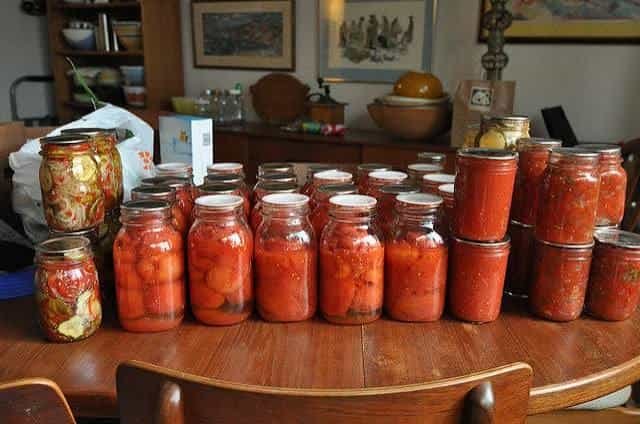
- Pickles and preserved vegetables: Can last 1 to 2 months due to high salt or vinegar content acting as a natural preservative
- Condensed or evaporated milk: 4 to 5 days, best transferred to a glass container immediately
- Canned fish (tuna, sardines, mackerel): 3 days maximum due to higher protein content, which spoils faster
Signs That Opened Canned Food Has Gone Bad
Relying only on dates isn’t enough — it’s important to check for physical and sensory signs before consuming leftover canned food.
- A sour, off, or unusually strong smell different from the food’s normal aroma
- Visible mould, whether fuzzy white, green, or black spots on the surface
- A slimy texture or unusual sliminess, especially in vegetables and beans
- Discolouration, such as darkening or a dull, faded appearance compared to when first opened
- Any fizzing, bubbling, or unusual gas release when opening the container again
If any of these signs appear, it’s safest to discard the food rather than risk it, even if it’s within the general time window.
Best Practices for Storing Opened Canned Goods
A few simple habits can significantly extend the safe usability of opened canned food and reduce wastage.
- Transfer contents to a glass or food-grade plastic container with a tight-fitting lid right after opening
- Label the container with the date it was opened, since it’s easy to lose track after a few days
- Store in the coldest part of the refrigerator rather than the door, where temperature fluctuates more
- Avoid mixing old leftovers with a freshly opened can of the same product, as this can shorten the shelf life of the fresher batch
- For items you won’t finish within the safe window, consider freezing in smaller portions instead
Can You Freeze Opened Canned Goods?
Freezing is an excellent option for extending the life of canned goods well beyond their refrigerator window, though not every food freezes equally well.
- Beans, corn, and most vegetables freeze well and can last 2 to 3 months without major texture loss
- Tomato-based products like puree or sauce freeze extremely well and often taste just as good after thawing
- Coconut milk can be frozen, though it may separate more noticeably upon thawing and need thorough stirring or blending
- Canned fish generally doesn’t freeze well after opening, as the texture becomes mushy and unappealing
- Always freeze in a container with some headspace, since liquids expand as they freeze
Quick Reference Table
| Canned Food Type | Refrigerator (After Opening) | Freezer (After Opening) |
| High-acid fruits/tomatoes | 5–7 days | 2–3 months |
| Beans, corn, peas | 3–4 days | 2–3 months |
| Coconut milk/cream | 4–5 days | 1–2 months |
| Pickles/preserves | 1–2 months | Not recommended |
| Canned fish | 3 days | Not recommended |
| Condensed/evaporated milk | 4–5 days | 1 month |
Frequently Asked Questions
Q1. Is it true that leaving food in the original tin can after opening is dangerous, or is that just a myth?
It’s not entirely a myth — once opened, the exposed metal surface can react with acidic foods like tomatoes or citrus, giving the food a slightly metallic taste over time, though it’s not typically dangerous within a day or two. Still, it’s best practice to transfer contents to a non-metal container as soon as possible for both safety and taste reasons.
Q2. I forgot to refrigerate an opened can overnight — is it still safe to eat?
If the opened can sat at room temperature for more than 2 hours, especially in India’s warmer climate, it’s safer to discard it rather than risk bacterial growth, since bacteria multiply rapidly between 4°C and 60°C. When in doubt, especially with low-acid foods like beans or meat, it’s not worth the risk of foodborne illness.
Q3. Why does my canned coconut milk look separated and lumpy after a few days in the fridge, even though it smells fine?
Separation is completely normal for coconut milk and happens because the fat content solidifies at cooler temperatures, rising to the top. Simply whisk or blend it thoroughly before using, and as long as there’s no sour smell or discolouration, it’s safe to consume.
Q4. Can I extend the shelf life of opened canned pickles by adding more oil or salt myself?
Yes, topping up with a little extra oil or salt can help extend shelf life slightly, since both act as natural preservatives that limit bacterial growth. However, always use a clean, dry spoon each time you take some out, since contamination from wet or used utensils is the most common reason pickles spoil early.