Rajasthan is one of India’s most magnificent travel destinations, famous for its golden sand dunes, magnificent forts, royal palaces, vibrant festivals, camel safaris, and rich cultural heritage. Whether you are planning a family vacation, honeymoon, solo adventure, or a cultural tour, choosing the best time to visit Rajasthan will help you make the most of your journey.
Located in northwestern India, Rajasthan is the country’s largest state by area and home to the Thar Desert. While it remains a captivating destination throughout the year, weather conditions, tourist crowds, hotel prices, and available activities change significantly depending on when you visit. Understanding Rajasthan’s seasons will help you plan the perfect trip.
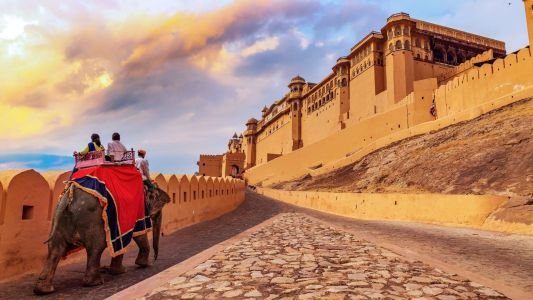
Rajasthan Travel Overview
| Factor | Details |
| Best Overall Time | October to March |
| Peak Tourist Season | November to February |
| Cheapest Time to Visit | June to September |
| Best for Desert Safari | November to February |
| Best for Wildlife | October to March |
| Best for Honeymoon | November to February |
| Best for Sightseeing | October to March |
| Best for Budget Travelers | Monsoon Season |
| Best for Festivals | November to March |
| Average Temperature | 2°C to 45°C (varies by season) |
Why Timing Matters When Visiting Rajasthan
Rajasthan experiences three major seasons — winter, summer, and monsoon. Each season delivers a completely different travel experience across the state’s diverse geography.
Winter is ideal for desert safaris, sightseeing, and festivals. Summer brings extreme heat but offers budget-friendly travel opportunities, while the monsoon season transforms the arid landscape into patches of surprising green.
The best time to visit depends on your budget, travel style, and the experiences you want to enjoy.
Visiting Rajasthan During Winter (October to March)
Winter is widely considered the best time to visit Rajasthan. During these months, the weather remains cool and pleasant across the state, making outdoor exploration genuinely comfortable.
Weather During Winter
Temperatures generally range between 2°C and 33°C depending on the month and location. December and January are the coldest months, with desert nights occasionally dropping below 5°C.
Why Visit Rajasthan in Winter?
- Comfortable sightseeing temperatures
- Desert safari and camel ride conditions are ideal
- National parks are fully operational for wildlife viewing
- Major festivals and fairs are held during this season
- Heritage hotels and palace stays are at their most vibrant
- Clear skies and excellent photography conditions
Winter is the most popular season among both domestic and international tourists visiting Rajasthan.
Best Places to Visit
Jaisalmer
The Golden City shines under winter sunlight. Sand dune camps, camel safaris, and starlit desert nights are at their absolute best.
Jaipur
The Pink City’s forts, palaces, and bazaars are perfect for long walking explorations in the cool winter air.
Udaipur
Lake Pichola and the City Palace are magical under crisp blue winter skies with clear reflections on calm water.
Ranthambhore National Park
Winter offers the best tiger sightings and wildlife encounters in this famous reserve.
Advantages of Winter Travel
- Most comfortable weather for all ages
- Desert camps and outdoor safaris fully operational
- Rich festival and cultural calendar
- Best visibility for photography
- Wildlife sanctuaries at peak performance
Disadvantages
- Highest hotel rates of the year
- Crowded popular attractions
- Advance booking essential for heritage hotels and camps
November and the Pushkar Camel Fair
November is one of the most celebrated months to visit Rajasthan, anchored by the famous Pushkar Camel Fair — one of the world’s largest livestock fairs and a vibrant cultural celebration held near Ajmer.
What Makes November Special?
- Pushkar Camel Fair with thousands of camels and traders
- Folk music and dance performances
- Hot air balloon rides over Pushkar
- Diwali celebrations in late October or early November
- Pleasant post-monsoon freshness still lingering in the landscape
Popular tourist areas become lively and energetic during this period. Accommodation near Pushkar during the Camel Fair must be booked months in advance.
Visiting Rajasthan During Summer (April to June)
Summer in Rajasthan is intense and dry, but it still attracts budget-conscious travellers and those seeking crowd-free heritage experiences.
Weather During Summer
Temperatures regularly exceed 40°C and often reach 45°C to 48°C in desert regions like Jaisalmer, Bikaner, and Barmer. Early mornings and evenings are the only comfortable outdoor windows.
Why Visit Rajasthan in Summer?
- Significantly lower hotel rates across all categories
- Nearly crowd-free monuments and forts
- Luxury heritage hotels at budget-friendly prices
- Hill stations like Mount Abu offer pleasant respite
- Ideal for dedicated photographers and budget explorers
Best Summer Activities
- Early morning fort walks before 9 AM
- Evening bazaar exploration after 5 PM
- Mount Abu hill station sightseeing
- Resort and spa stays during midday
- Indoor museum and gallery visits
Benefits of Summer Travel
- Most affordable travel time of the year
- Empty monuments and palaces
- Accessible luxury stays at reduced rates
- Minimal competition for guides and services
Drawbacks
- Extreme afternoon heat often exceeding 45°C
- Outdoor activities severely restricted midday
- Sandy dust storms possible in desert regions
- Not suitable for young children or elderly travellers without careful planning
Visiting Rajasthan During Monsoon (July to September)
Rajasthan’s monsoon is lighter than most Indian regions, making it a surprisingly rewarding time for specific types of travellers. The state receives modest but meaningful rainfall that transforms its desert character.
Weather During Monsoon
Temperatures range between 25°C and 35°C, with humidity levels rising but remaining lower than eastern and southern India’s monsoons.
Why Visit Rajasthan During Monsoon?
- Budget hotel rates with discounts of 30 to 50 percent
- Udaipur’s lakes fill completely and look spectacular
- Aravalli hills turn lush and green
- Crowd-free heritage sites and monuments
- Dramatic cloud-filled skies for atmospheric photography
Nature lovers and photographers find the monsoon landscape of Rajasthan uniquely beautiful.
Popular Monsoon Attractions
Udaipur Lakes
Lake Pichola, Fateh Sagar, and the surrounding lakes reach their fullest and most beautiful levels after monsoon rains.
Kumbhalgarh and Ranakpur
The Aravalli hills surrounding these heritage sites turn unexpectedly green during monsoon months.
Bundi and Chittorgarh
Historic step-wells and fort complexes look their most dramatic against monsoon cloud cover with minimal tourist presence.
Advantages of Monsoon Travel
- Lowest prices on hotels and travel packages
- Empty and atmospheric heritage sites
- Lush green transformation of normally arid landscapes
- Exceptional photography opportunities with dramatic skies
Disadvantages
- Road connectivity to some desert areas can be disrupted
- Wildlife safari parks are restricted or closed
- Humidity can be uncomfortable in some areas
- Some outdoor activities and dune camps not operational
Best Time to Visit Rajasthan for Different Travellers
For Honeymooners
November to February is ideal for couples. Romantic desert camps, lake-view palace hotels, camel sunset rides, and candlelit dinners under stars create unforgettable honeymoon memories.
For Families
October to March provides comfortable weather, fully operational parks and activities, and plenty of sightseeing options suitable for all age groups.
For Budget Travellers
Monsoon months from July to September offer the lowest accommodation costs, attractive travel deals, and a genuinely beautiful alternate version of Rajasthan.
For Wildlife Enthusiasts
October to March is essential for wildlife safaris at Ranthambhore, Sariska, and Keoladeo Ghana National Park, including the best tiger sighting conditions of the year.
For Festival Lovers
November to March hosts the richest festival calendar — Pushkar Camel Fair, Jaipur Literature Festival, Desert Festival in Jaisalmer, Holi celebrations, and the Elephant Festival.
Best Time to Visit Rajasthan for Desert Safari
Desert safaris are among Rajasthan’s most iconic experiences.
Ideal Months
The best period for desert safaris is from November to February.
Popular activities include:
- Camel safari across sand dunes
- Overnight desert camping
- Stargazing sessions
- Jeep safari across the Thar Desert
- Folk music around campfire
- Hot air balloon rides over Jaisalmer
Conditions are ideal during these months with cool evenings and manageable daytime temperatures.
Best Time to Visit Rajasthan for Sightseeing
Heritage lovers should plan their trip between October and March.
During this period, visitors can enjoy:
- Fort and palace exploration without heat fatigue
- Extended bazaar walks in Jaipur and Jodhpur
- Lake and ghat experiences in Udaipur
- Step-well visits across multiple cities
- Photography in perfect natural light
The weather remains consistently comfortable throughout the day across this season.
Festivals and Events in Rajasthan
Rajasthan hosts some of India’s most spectacular festivals throughout the year.
Pushkar Camel Fair
One of the world’s largest livestock fairs combining cultural performances, spiritual rituals, and camel trading in a unique desert setting.
Jaipur Literature Festival
Held every January, this celebrated literary event draws authors, thinkers, and readers from across the world to the Pink City.
Desert Festival Jaisalmer
A three-day festival held in February featuring folk music, dance, camel races, and turban tying competitions against the backdrop of golden sand dunes.
These events attract hundreds of thousands of visitors annually and define Rajasthan’s cultural identity.
Travel Tips for Visiting Rajasthan
To make your Rajasthan vacation more enjoyable, consider the following tips:
- Book heritage hotel stays and desert camps well in advance during peak season.
- Carry warm layers for desert evenings even in October and November.
- Stay hydrated at all times, especially during summer visits.
- Hire a local guide at major forts and palaces for richer historical context.
- Carry sunscreen and a wide-brimmed hat for outdoor sightseeing.
- Respect local customs, particularly at religious sites and rural villages.
- Plan all outdoor activities before 10 AM and after 5 PM during summer months.
Conclusion
The best time to visit Rajasthan is between October and March, when the weather is pleasant, the desert camps are at their finest, wildlife parks are operational, and the festival calendar is at its most vibrant. This period offers ideal conditions for sightseeing, camel safaris, palace stays, and cultural immersion.
However, every season has its own character. The monsoon brings dramatic landscapes and budget-friendly travel, while summer provides a crowd-free, affordable way to experience Rajasthan’s magnificent heritage.
Whether you are drawn to royal palaces, golden sand dunes, wild tigers, or colourful festivals, Rajasthan offers extraordinary experiences throughout the year. By choosing the right season for your interests and budget, you can discover one of India’s most captivating and timeless travel destinations.
Frequently Asked Questions
Q1. What is the best month to visit Rajasthan?
A: November to February offers the most comfortable weather, active desert camps, major festivals, and ideal sightseeing conditions.
Q2. Is Rajasthan worth visiting during monsoon?
A: Yes, monsoon offers lush green landscapes, full lakes in Udaipur, budget-friendly hotel rates, and crowd-free heritage sites.
Q3. What is the peak tourist season in Rajasthan?
A: The peak season runs from November to February, with December and January being the busiest months.
Q4. Which season is best for desert safari in Rajasthan?
A: November to February is ideal, with cool evenings perfect for overnight desert camping and camel safari experiences.
Q5. How many days are enough for Rajasthan?
A: A 7 to 10-day trip is ideal to cover major destinations including Jaipur, Jodhpur, Jaisalmer, and Udaipur comfortably.