Munnar is one of South India’s most beloved and enchanting hill stations, famous for its rolling carpets of tea estates stretching across the Western Ghats, mist-covered mountain valleys, cascading waterfalls, the rare Neelakurinji flowers that bloom once every twelve years, the endangered Nilgiri Tahr at Eravikulam National Park, and a cool, refreshing climate that makes it a year-round escape from Kerala’s tropical heat. Whether you are planning a honeymoon, a family holiday, a nature trekking expedition, or simply a peaceful mountain retreat, choosing the best time to visit Munnar will help you experience this extraordinary hill station at its most beautiful and comfortable.
Located at approximately 1,600 metres above sea level in the Idukki district of Kerala, Munnar enjoys a genuinely pleasant climate throughout the year. However, the experience changes dramatically between the misty winter months, the dramatically lush monsoon season, and the warm, clear summer window — and understanding these differences will help you choose the perfect Munnar experience for your preferences.
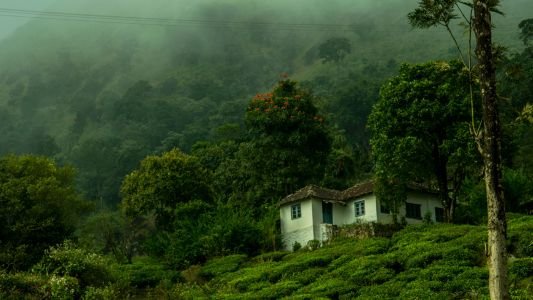
Munnar Travel Overview
| Factor | Details |
| Best Overall Time | September to March |
| Peak Tourist Season | October to January |
| Cheapest Time to Visit | April to June |
| Best for Tea Estate Walks | October to March |
| Best for Waterfalls | June to September |
| Best for Wildlife | October to March |
| Best for Honeymoon | October to February |
| Best for Budget Travelers | April to June |
| Best for Photography | September to November |
| Average Temperature | 5°C to 25°C (varies by season) |
Why Timing Matters When Visiting Munnar
Munnar experiences three distinct seasons — winter, summer, and monsoon — each offering a genuinely different version of the destination. Unlike many hill stations, Munnar is rewarding in every season, but the experience varies enormously between the misty, romantic winter months and the dramatically green but rain-heavy monsoon.
The Western Ghats receive two monsoon systems — the Southwest Monsoon from June to August and the Northeast Monsoon from October to November — which together ensure that Munnar’s landscape is lush and green for most of the year. Understanding these rainfall patterns helps you plan an experience that matches your expectations perfectly.
Visiting Munnar During Winter (October to February)
Winter is widely considered the best time to visit Munnar, offering cool, pleasant temperatures, misty mornings that create magical valley views, and ideal conditions for exploring the tea estates, trekking trails, and wildlife sanctuaries that define the destination.
Weather During Winter
Temperatures range between 5°C and 25°C with December and January being the coolest months. Nights drop to 5°C to 8°C, requiring warm clothing even for visitors from the plains. Mornings are frequently misty, burning off to clear, crisp sunshine by mid-morning.
Why Visit Munnar in Winter?
- Cool, refreshing temperatures make extended outdoor exploration genuinely comfortable
- Morning mist over the tea estates creates the iconic Munnar photography that defines the destination’s image
- Eravikulam National Park is fully operational with excellent Nilgiri Tahr viewing
- All trekking trails including Anamudi Peak — South India’s highest point at 2,695 metres — are accessible
- The post-monsoon freshness lingers through October and November, keeping landscapes intensely green
- Seasonal festivals including the Munnar Tea and Tourism Festival brighten the winter calendar
- Romantic cool evenings make Munnar the finest honeymoon hill station in South India during this season
Winter is the most popular and celebrated season for Munnar travel among all visitor types.
Best Places to Visit
Tea Museum and Tea Estates
The KDHP Tea Museum in Munnar town explains the history of tea cultivation in the Anamudi hills, while surrounding estates like Lockhart, Rajamala, and Top Station tea gardens offer guided plantation walks with expert commentary on plucking and processing.
Eravikulam National Park
Home to the endangered Nilgiri Tahr — a mountain goat found only in the Western Ghats — Eravikulam is best visited from October to March when the park is open and the animals congregate near the visitor areas. The park closes during monsoon and the brief Neelakurinji bloom period.
Mattupetty Dam and Indo-Swiss Farm
The scenic reservoir surrounded by tea-covered hills offers boating and birdwatching in the cool winter air, with the adjacent Indo-Swiss Livestock Project showcasing cattle breeding in a uniquely European-influenced landscape.
Top Station
The highest point accessible by road in Munnar at 1,700 metres, Top Station offers views into Tamil Nadu’s Palani hills on clear winter days and is surrounded by some of Munnar’s finest undeveloped grassland landscapes.
Advantages of Winter Travel
- Best temperatures for trekking, walking, and extended outdoor activity
- Iconic misty morning tea estate photography conditions
- Eravikulam National Park fully operational for Nilgiri Tahr viewing
- All trekking routes including Anamudi accessible
- Romantic atmosphere for honeymoon couples
Disadvantages
- Peak season hotel rates, particularly from December to January
- Popular resorts require advance booking 2 to 3 months ahead for peak winter
- Weekend crowd surges from December to January can make viewpoints busy
December and January — Munnar’s Peak Season
December and January represent Munnar’s most popular travel window, drawing visitors from across Kerala, Tamil Nadu, Karnataka, and increasingly from northern India seeking a cool mountain escape during India’s coolest months.
What Makes December and January Special?
- Coolest temperatures of the year creating genuinely chilly mornings and evenings
- Mist-filled valleys that photograph with extraordinary atmospheric quality
- Full complement of resort and hotel facilities operational at peak quality
- New Year celebrations at resorts and hill viewpoints
- Hot beverages — tea, coffee, and the local Munnar hot chocolate — at their most appealing in the cold air
Book Munnar accommodations at least 2 to 3 months in advance for December and January weekends. Weekday visits during these months are significantly less crowded and occasionally offer better rates.
Visiting Munnar During Summer (March to May)
Summer in Munnar is dramatically different from summer in the plains. The Western Ghats elevation keeps temperatures pleasant throughout the day even as the rest of Kerala experiences intense heat — making Munnar one of South India’s finest summer escape destinations.
Weather During Summer
Temperatures range between 15°C and 28°C during the day, considerably cooler than the 35°C to 40°C of coastal Kerala and interior Tamil Nadu during the same months. Light showers begin appearing by April and May as the pre-monsoon system builds.
Why Visit Munnar in Summer?
- Significantly lower hotel rates than peak winter season
- Munnar provides genuine cool-weather relief from South India’s intense summer heat
- Clear, non-misty mornings in March provide the year’s best long-distance mountain views
- Tea estate walks are comfortable and uncrowded
- Birdwatching in Chinnar Wildlife Sanctuary is particularly active in March and April
- Light spring showers from April keep landscapes green without disrupting outdoor plans
Best Summer Activities
- Long tea estate walks in the cool morning air
- Chinnar Wildlife Sanctuary wildlife viewing
- Trekking to Anamudi Peak in the clear March air
- Boating at Mattupetty and Kundala Lake
- Visiting the Marayoor sandalwood forest and Dolmens
Benefits of Summer Travel
- Most affordable hotel rates of the year — luxury resorts accessible at budget prices
- Uncrowded attractions and unhurried pace
- Clear skies in March provide outstanding mountain panoramas
- Comfortable weather compared to anywhere in the South Indian plains
Drawbacks
- Mist and fog — Munnar’s most distinctive visual feature — is largely absent in March and April
- Light pre-monsoon showers from April can occasionally disrupt outdoor plans
- May begins seeing monsoon cloud build-up reducing overall visibility
- Some of the romantic misty atmosphere that defines Munnar is less present in this season
Visiting Munnar During Monsoon (June to September)
Munnar’s monsoon is one of the most spectacular and transformative seasonal experiences available in any Indian hill station. The Western Ghats receive the full force of the Southwest Monsoon from June onwards, transforming the landscape into a world of extraordinary, almost unreal green intensity.
Weather During Monsoon
Temperatures range between 15°C and 22°C with regular heavy rainfall, particularly in June, July, and August. September sees the rainfall beginning to ease, and by late September the landscape is at its most lush with clearing skies returning.
Why Visit Munnar During Monsoon?
- Waterfalls across the Western Ghats reach their maximum flow and visual drama
- Tea estates turn the deepest, most vivid green of any season
- Clouds and mist create dreamlike landscape conditions for photography
- Hotel rates drop significantly — some of the finest Munnar resorts offer substantial discounts
- The landscape’s beauty during monsoon is unlike any other season — intensely, almost shockingly green
- September is the finest monsoon month with rains easing, full waterfalls, and the landscape at its peak lushness
Nature photographers and couples seeking a romantic monsoon retreat consistently rate this as Munnar’s most atmospheric and beautiful season.
Popular Monsoon Attractions
Attukal Waterfalls
Located 9 kilometres from Munnar town, Attukal cascades dramatically during the monsoon months with water levels at their annual peak — one of the most visited waterfalls in the region.
Lakkam Waterfalls
The multi-tiered Lakkam falls near Rajamala Road flow most powerfully and beautifully from July to September, surrounded by monsoon-green forest vegetation.
Tea Estates in Monsoon Green
The Munnar tea estates look fundamentally different in monsoon from their winter character — the greens are so intense they seem almost painted, and low-lying clouds drifting through the planted rows create a visual quality that photographers travel specifically to capture.
Advantages of Monsoon Travel
- Most beautiful green landscape season with maximum waterfall flow
- Lowest hotel prices of the year — significant savings on premium resorts
- Romantic and atmospheric conditions for couples
- Quiet, peaceful destinations with minimal crowd presence
- September offers the best balance of green landscape and easing rainfall
Disadvantages
- Heavy rainfall in June, July, and August can disrupt outdoor plans
- Road conditions can occasionally be affected by landslides on mountain routes
- Eravikulam National Park is closed during most of the monsoon period
- Some outdoor activities including trekking and peak climbing are not advisable in heavy rain
Best Time to Visit Munnar for Different Travellers
For Honeymooners
October to February is the finest honeymoon season in Munnar — cool evenings, misty mornings, cosy resort fireplaces, and the romantic visual character of mist-covered tea estate valleys create an ideal romantic environment.
For Families
October to March provides comfortable temperatures for all ages, open national parks for wildlife viewing, safe trekking trails, and full availability of outdoor activities suitable for children.
For Budget Travellers
April to June offers the lowest accommodation rates, with Munnar’s pleasant temperatures providing genuine value as a cool-weather escape from the plains that is affordable even at normally premium properties.
For Nature Photographers
September and October are the two finest photography months — the monsoon green landscape retains its full intensity while clearing skies return, creating conditions where both vivid colour and clear mountain backgrounds are simultaneously available.
For Wildlife Enthusiasts
October to March is essential for Eravikulam National Park visits when the park is open and Nilgiri Tahr are most visible near the visitor access areas.
Best Time for Tea Estate Experiences in Munnar
Tea estate walks and visits are at the heart of the Munnar experience.
Ideal Months
October to March delivers the most photogenic and comfortable tea estate experience.
Tea estate activities include:
- Guided plucking demonstrations with estate workers
- Tea factory tours explaining the full processing journey from leaf to cup
- Sunrise walks through terraced plantation rows
- Photography of plucking workers in traditional attire
- Tea tasting sessions comparing different estate grades
- Estate bungalow stays within working plantation properties
The winter morning mist drifting through tea rows with workers in colourful sarees is the defining visual image of Munnar — experienced most powerfully from October to February.
Festivals and Events in Munnar
Munnar’s festival calendar reflects Kerala’s rich cultural traditions.
Munnar Tea and Tourism Festival
An annual celebration of Munnar’s tea heritage and tourism potential, typically held in the winter season with cultural performances, tea demonstrations, and local artisan showcases.
Vishu — Kerala New Year
Celebrated in April, Kerala’s traditional New Year brings households and communities together with the Vishukkani — an arrangement of auspicious items — and a festive atmosphere across Idukki district.
Onam
Kerala’s most beloved harvest festival, celebrated in August or September, brings traditional boat races to nearby rivers and lakes, elaborate Pookalam flower arrangements, and the magnificent Onasadya feast that represents the finest of Kerala’s culinary culture.
Travel Tips for Visiting Munnar
To make your Munnar vacation most comfortable and memorable, consider these practical tips:
- Book peak winter accommodations 2 to 3 months in advance, particularly for December, January, and long weekends.
- Carry warm layers including a jacket, woolens, and socks — nights in December and January drop to near 5°C.
- Start tea estate walks early in the morning before mist burns off for the most atmospheric photography conditions.
- Rent a vehicle or hire a local driver for exploring Munnar’s dispersed attractions — public transport within the district is limited.
- Eravikulam National Park has daily visitor quotas — purchase entry tickets online in advance during peak season.
- Carry a light rain jacket year-round — Munnar can receive unexpected showers in any month.
- Try local Munnar specialties — home-grown tea, fresh honey, cardamom, and the unique fresh-pressed sugarcane juice sold at roadside stalls.
Conclusion
The best time to visit Munnar is between September and March, when the weather is most pleasant, the tea estates are at their most photogenic, the national park is fully operational, and the cool misty atmosphere that makes Munnar South India’s finest hill station experience is most fully present.
October to February represents the absolute peak — the most romantic, most visually iconic, and most completely activated version of Munnar with every experience available in ideal conditions.
However, every season has its devoted advocates. The monsoon’s extraordinary green intensity and waterfall drama, summer’s affordable luxury and clear mountain views, and the post-monsoon freshness of September each offer genuinely rewarding experiences.
Whether you come for the tea estates, the mountain views, the Nilgiri Tahr, the waterfalls, or simply the pleasure of breathing cool Western Ghats air while sipping a cup of freshly plucked Munnar tea, this enchanting hill station delivers an experience that stays with travellers long after they return to the plains below.
Frequently Asked Questions
Q1. What is the best month to visit Munnar?
A: October and November are the finest months — post-monsoon freshness keeps landscapes intensely green, temperatures are ideal, and the characteristic morning mist that defines Munnar’s atmosphere is at its most beautiful.
Q2. Is Munnar good to visit during monsoon?
A: Yes — monsoon Munnar is spectacularly green with powerful waterfalls and deeply romantic misty conditions. September is the best monsoon month with easing rainfall and the year’s most vivid landscapes.
Q3. What is the peak tourist season in Munnar?
A: October to January is peak season with December and January attracting the highest visitor numbers. Long weekends throughout this period see significant crowds — weekday visits are recommended.
Q4. Can I visit Eravikulam National Park year-round?
A: No — the park closes during the Neelakurinji bloom season, monsoon months, and for maintenance periods. It is most reliably open from October to March. Always confirm current opening status before planning.
Q5. How many days are enough for Munnar?
A: A 2 to 3-day visit is ideal to explore the tea estates, Eravikulam National Park, Top Station, the main waterfalls, and Munnar town comfortably without rushing.