Sikkim is one of India’s most breathtaking travel destinations, famous for its snow-capped Himalayan peaks, ancient Buddhist monasteries, colourful rhododendron forests, glacial lakes, pristine rivers, and rich Tibetan-influenced culture. Whether you are planning a honeymoon, family vacation, trekking adventure, or a peaceful mountain retreat, choosing the best time to visit Sikkim can completely transform your experience.
Located in the Eastern Himalayas and bordered by Nepal, Tibet, and Bhutan, Sikkim is India’s second-smallest state but arguably one of its most spectacular. While the state is beautiful in every season, weather conditions, road accessibility, snow availability, and the landscape’s character vary enormously depending on when you visit. Understanding Sikkim’s seasons will help you plan the perfect mountain journey.
Sikkim Travel Overview
| Factor | Details |
| Best Overall Time | March to June and October to November |
| Peak Tourist Season | April, May, and October |
| Cheapest Time to Visit | July to September |
| Best for Rhododendron Bloom | March to April |
| Best for Snow | January and February |
| Best for Honeymoon | October to February |
| Best for Trekking | March to May and October to November |
| Best for Budget Travelers | Monsoon Season |
| Best for Mountain Views | October and November |
| Average Temperature | Minus 10°C to 25°C (varies by altitude and season) |
Why Timing Matters When Visiting Sikkim
Sikkim experiences four distinct seasons — spring, summer, monsoon, and winter — each offering a fundamentally different character. Weather in the Himalayas changes rapidly and unpredictably, making timing more critical here than in most other Indian destinations.
Spring is ideal for rhododendron blooms and trekking. Autumn brings crystal-clear mountain views and pleasant temperatures. Monsoon offers lush greenery and budget travel, while winter delivers spectacular snowfall at higher altitudes.
The best time to visit depends on your travel goals, budget, and tolerance for cold or rain.
Visiting Sikkim During Spring (March to May)
Spring is widely considered the best overall time to visit Sikkim. This period combines extraordinary natural beauty, comfortable temperatures, and clear mountain views in a way that no other season quite matches.
Weather During Spring
Temperatures generally range between 8°C and 22°C in lower regions like Gangtok, with higher altitudes significantly colder. Days are pleasantly warm while evenings remain cool.
Why Visit Sikkim in Spring?
- Rhododendron forests bloom in spectacular colours across multiple elevations
- Clear skies provide outstanding Kanchenjunga views
- Comfortable temperatures for trekking and outdoor activities
- Yumthang Valley transforms into a flower-carpeted paradise
- Major Buddhist festivals including Saga Dawa are celebrated
- North Sikkim permit access is smooth and well-organised
Spring is the most popular and celebrated season for Sikkim travel.
Best Places to Visit
Yumthang Valley
Called the Valley of Flowers of Sikkim, this high-altitude valley is blanketed in rhododendrons at their peak bloom between mid-April and late April.
Gangtok
The state capital offers clear Kanchenjunga views, vibrant monastery visits, and a lively spring atmosphere with cultural celebrations.
Pelling
Offers some of the most dramatic views of Kanchenjunga under clear spring skies, alongside the historic Pemayangtse Monastery.
Tsomgo Lake
The high-altitude glacial lake near Nathu La Pass is accessible and breathtakingly beautiful under spring skies.
Advantages of Spring Travel
- The rhododendron bloom is a world-class natural spectacle
- Best clarity for Himalayan mountain photography
- Comfortable trekking conditions across major routes
- Rich festival calendar with Buddhist celebrations
- All tourist facilities and adventure activities fully operational
Disadvantages
- Peak season hotel rates in April and May
- North Sikkim permits fill up quickly — advance booking essential
- Some trails can be muddy from lingering winter snowmelt
April and the Rhododendron Season
April is one of the most magical months in Sikkim’s travel calendar. The rhododendron bloom — across over 40 species unique to Sikkim — transforms hillsides, valley floors, and forest corridors into a breathtaking display of red, pink, white, and purple.
What Makes April Special?
- Over 40 rhododendron species blooming simultaneously
- Yumthang Valley at its most spectacular between April 10 and April 25
- Buddhist festivals including Saga Dawa ceremonies at monasteries
- Clear skies and outstanding mountain visibility
- Trekking routes in full seasonal operation
This period draws photographers, nature lovers, and trekkers from across India and internationally. Book accommodations and North Sikkim permits several weeks in advance.
Visiting Sikkim During Autumn (October to November)
Autumn is Sikkim’s second prime travel window and arguably its most underrated. The monsoon retreats fully by late September, leaving the landscape freshly washed, intensely green, and dramatically clear.
Weather During Autumn
Temperatures range between 6°C and 18°C in Gangtok, dropping progressively at higher altitudes. Days are bright and crisp while evenings are noticeably cold.
Why Visit Sikkim in Autumn?
- The year’s clearest mountain views and Kanchenjunga visibility
- Post-monsoon freshness gives the landscape extraordinary colour
- Comfortable temperatures for trekking and outdoor activities
- Festival season with various Buddhist celebrations
- Lower rates than peak spring season
Best Autumn Activities
- Kanchenjunga sunrise viewings from Tiger Hill and Pelling
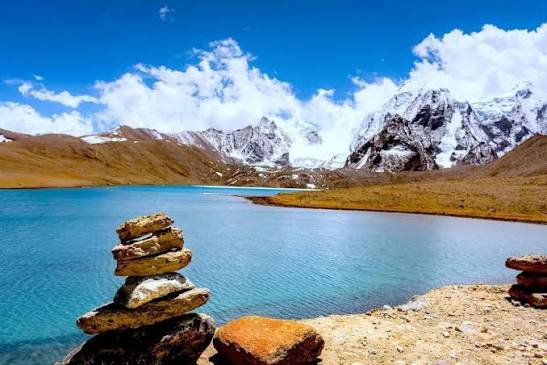
- High-altitude lake visits including Tsomgo and Gurudongmar
- Village walks through cardamom and apple harvest landscapes
- Monastery visits during festival preparations
- Photography of cloud-free Himalayan panoramas
Benefits of Autumn Travel
- Crystal-clear mountain views for extended periods
- Comfortable temperatures across most elevations
- Fewer crowds than spring peak season
- Post-monsoon landscape is richly green and vibrant
Drawbacks
- October becomes increasingly cold at high altitudes
- Some passes begin closing in November
- December weather can be harsh at higher elevations
Visiting Sikkim During Winter (December to February)
Winter in Sikkim delivers its most dramatic snowfall experiences at higher altitudes, transforming the North Sikkim circuit into a spectacular white landscape.
Weather During Winter
Temperatures in Gangtok average 4°C to 12°C in December, dropping further in January and February. High-altitude areas like Lachung and Yumthang can experience minus 10°C or below.
Why Visit Sikkim in Winter?
- Spectacular snowfall at Yumthang Valley and Lachung
- Zero Point covered in deep snow for dramatic winter scenery
- Lowest hotel rates of the year in most properties
- Peaceful and uncrowded destinations across the state
- Unique winter monastery experiences with warming butter tea traditions
Popular Winter Attractions
Yumthang Valley in Snow
Blanketed in white from December through February, the valley offers an otherworldly snow landscape that is completely different from its spring flower character.
Lachung Village
This charming high-altitude village surrounded by snow-covered peaks offers warm homestay experiences and dramatic winter scenery.
Rumtek Monastery
Winter monastery visits come with an intimate, quiet atmosphere very different from the busy spring festival season.
Advantages of Winter Travel
- Spectacular snowfall experiences at accessible locations
- Lowest hotel rates and best accommodation deals
- Peaceful and uncrowded atmosphere across the state
- Unique cold-weather Himalayan cultural experiences
Disadvantages
- Extreme cold at high altitudes requires serious preparation
- Some mountain passes and roads may close
- Limited outdoor trekking options compared to spring and autumn
- Road conditions require experienced drivers on mountain routes
Visiting Sikkim During Monsoon (June to September)
Sikkim receives heavy and sustained monsoon rainfall, particularly in July and August. However, September offers a rewarding compromise between the beauty of the post-monsoon landscape and manageable travel conditions.
Weather During Monsoon
Temperatures range between 15°C and 22°C at lower elevations, with consistent daily rainfall particularly in July and August.
Why Visit Sikkim During Monsoon?
- Lowest hotel prices of the year — ideal for budget travellers
- Waterfalls across the state are at their most spectacular
- Valleys are intensely lush and green
- Fewer tourists at all major attractions
- September brings clearing skies and early autumnal freshness
Advantages of Monsoon Travel
- Most affordable travel period
- Stunning waterfalls and river scenery
- Peaceful, crowd-free destinations
Disadvantages
- Road landslides can disrupt travel plans
- High-altitude areas and some passes may be inaccessible
- Adventure activities including paragliding and rafting are suspended
- Frequent heavy rainfall limits outdoor sightseeing hours
Best Time to Visit Sikkim for Different Travellers
For Honeymooners
October to February offers romantic snow views, peaceful mountain settings, luxury property deals in winter, and the magical combination of clear skies and dramatic Himalayan scenery.
For Families
March to May provides comfortable weather for all ages, the spectacular rhododendron season, full accessibility of tourist facilities, and child-friendly adventure options.
For Budget Travellers
July to September offers the lowest accommodation costs and the least crowded destinations, ideal for flexible travellers comfortable with rain.
For Trekkers
March to May and October to November are the two ideal trekking windows when major trails are clear, weather is manageable, and mountain visibility is at its best.
For Snow Lovers
January and February are the dedicated snow months — Yumthang Valley and North Sikkim are spectacular in deep winter snowfall.
Best Time for Rhododendron Bloom in Sikkim
The rhododendron bloom is one of Asia’s most spectacular natural events.
Ideal Months
The peak bloom period is from mid-March to late April.
Key blooming locations include:
- Yumthang Valley — peak between April 10 and April 25
- Singalila Ridge trekking route
- Dzongri and Goecha La trek corridors
- Forest roads around Pelling and Ravangla
- Barsey Rhododendron Sanctuary near Soreng
The bloom varies slightly each year depending on winter temperatures.
Festivals and Events in Sikkim
Sikkim hosts several celebrated festivals throughout the year.
Saga Dawa Festival
A sacred Buddhist celebration in May commemorating the birth, enlightenment, and passing of Lord Buddha. Monasteries across Sikkim hold butter lamp ceremonies, processions, and sacred mask dances.
Losar Festival
The Tibetan New Year celebration bringing monastery performances, traditional attire, and community gatherings across Sikkim in February or March depending on the lunar calendar.
Pang Lhabsol Festival
A unique Sikkimese festival celebrating the guardian deity of Kanchenjunga, held in August or September with elaborate ceremonial dances.
Travel Tips for Visiting Sikkim
To make your Sikkim vacation more comfortable and rewarding, consider the following tips:
- Apply for the Inner Line Permit for North Sikkim at least one week before departure during spring.
- Book accommodations in Lachung and Yumthang well in advance during April.
- Carry warm layers regardless of season — mountain temperatures drop sharply after sunset.
- Stay hydrated and allow one day for altitude acclimatisation upon arriving in Gangtok.
- Use only authorised vehicles for North Sikkim circuits — private vehicles require permits.
- Carry cash as ATM availability is limited in remote mountain circuits.
- Respect monastery protocols — remove footwear and dress modestly at religious sites.
Conclusion
The best time to visit Sikkim is from March to June and October to November, when the weather is most favourable, mountain views are clearest, and outdoor experiences are fully accessible. Spring’s rhododendron bloom and autumn’s crystal-clear Himalayan panoramas represent two very different but equally spectacular versions of this extraordinary destination.
However, every season has its own unique gift. Winter brings spectacular snowscapes, monsoon offers lush greenery at budget prices, and each month reveals a slightly different face of Sikkim’s Himalayan character.
Whether you are chasing rhododendron blooms, mountain sunrises over Kanchenjunga, snowfall in Yumthang Valley, or monastery festivals, Sikkim delivers experiences that stay with travellers long after they return home. Choose your season wisely and prepare properly — this small state rewards the well-prepared visitor more generously than almost anywhere else in India.
Frequently Asked Questions
Q1. What is the best month to visit Sikkim?
A: April and October are the two best individual months — April for rhododendron blooms and spring clarity, October for crystal-clear mountain views and post-monsoon freshness.
Q2. Is Sikkim good to visit during monsoon?
A: September is the best monsoon month — rains ease, landscapes are lush, and hotel prices remain low. July and August carry higher risk of road disruption.
Q3. What is the peak tourist season in Sikkim?
A: April and May for spring blooms, and October for autumn clarity are the two peak windows. December to January attracts dedicated snow seekers.
Q4. When can I see snow in Sikkim?
A: January and February offer the best snowfall in North Sikkim — particularly at Yumthang Valley, Lachung, and Zero Point.
Q5. How many days are enough for Sikkim?
A: A 5 to 7-day trip is ideal to comfortably cover Gangtok, North Sikkim’s Lachung and Yumthang circuit, and Pelling with its Kanchenjunga views.