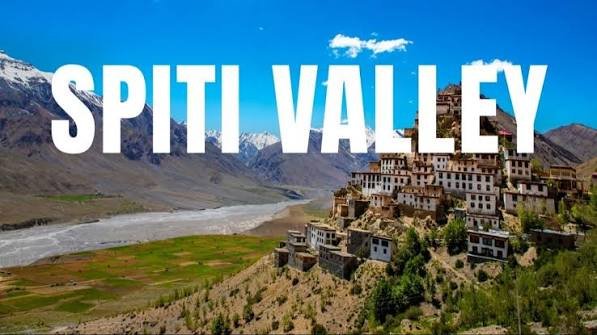
Spiti Valley is one of India’s most remote, raw, and visually extraordinary destinations — a cold desert mountain valley in the Trans-Himalayan region of Himachal Pradesh, sitting at average elevations of 3,600 to 4,500 metres above sea level. Famous for its ancient Buddhist monasteries including Key Monastery perched on a clifftop at 4,166 metres, the fossil village of Langza, the fossil-rich Komic — one of the world’s highest permanently inhabited villages — the pristine Chandratal glacial lake, the Pin Valley National Park, and the lunar-like landscape of barren mountains in shades of ochre, grey, and rust that look almost alien in their beauty, Spiti is a destination that demands careful timing, serious preparation, and an open mind for the extraordinary.
Unlike most Indian hill destinations, Spiti operates on a narrow seasonal window defined by road accessibility, altitude, and extreme weather. Getting the timing right is not merely about comfort — it determines whether you can reach the valley at all, and what it looks and feels like when you arrive.
Spiti Valley Travel Overview
| Factor | Details |
| Best Overall Time | June to September |
| Peak Tourist Season | July and August |
| Cheapest Time to Visit | May and October |
| Best for Road Trips | June to September |
| Best for Snow | November to March |
| Best for Photography | September to October |
| Best for Festivals | July to August |
| Best for Budget Travelers | May and October |
| Best for Beginners | June and September |
| Average Temperature | Minus 30°C to 20°C (varies by season) |
Why Timing Matters When Visiting Spiti Valley
Spiti Valley has two road access routes — the Shimla-Kaza route via Kinnaur and the Manali-Kaza route via Kunzum Pass — and their accessibility defines everything about when and how you can visit.
The Shimla-Kaza route via Kinnaur is technically open year-round because it crosses no high mountain pass, but icy conditions make winter travel extremely dangerous. The Manali-Kaza route crosses Kunzum Pass at 4,590 metres, which is closed from approximately November to late May. When Kunzum Pass opens — typically in late May or early June — the complete Spiti circuit opens simultaneously, allowing the classic Shimla to Manali or Manali to Shimla route that most Spiti travellers take.
Understanding these access dynamics before planning any Spiti itinerary is the single most critical piece of information for prospective visitors.
Visiting Spiti Valley During Summer (May to September)
Summer is the only time Spiti Valley is fully accessible for most travellers, and it remains the best overall window for experiencing the region’s complete offering of monasteries, villages, treks, high-altitude lakes, and wildlife.
Weather During Summer
Temperatures range between 5°C and 20°C during the day at valley level, dropping to near zero or below at night particularly at higher elevations and campsites. The thin atmosphere means UV radiation is intense even on cool days. June and July are the warmest months while September transitions toward the first hints of autumn cold.
Why Visit Spiti Valley in Summer?
- Kunzum Pass opens in late May or early June unlocking the complete Manali-Kaza circuit
- Key Monastery, Dhankar Monastery, Tabo Monastery, and all major cultural sites are fully accessible
- Chandratal Lake trek is open and the lake is at its most spectacularly clear
- Pin Valley National Park is accessible with opportunities for Snow Leopard sightings
- Village homestays in Langza, Komic, Hikkim, and Demul are fully operational
- Local festivals including the Ladarcha Fair in August and the Tribal Fair on Independence Day bring Spiti’s cultural life to vivid celebration
- Mountain biking, trekking, and river crossings are all possible in dry summer conditions
Summer is when Spiti is most alive, most accessible, and most completely itself.
Best Places to Visit
Key Monastery
The most iconic image of Spiti — a thousand-year-old monastery built on a clifftop pyramid of rock at 4,166 metres — is fully accessible and most dramatically lit from May to September when clear skies create perfect contrast between the white monastery walls and deep blue sky.
Chandratal Lake
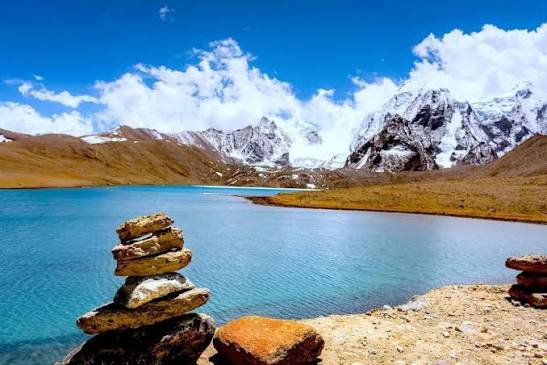
The crescent-shaped glacial lake at 4,300 metres, accessible from the Manali-Kaza road via a 4-kilometre trekking trail, is one of Himachal Pradesh’s most beautiful natural features. The lake is most spectacularly clear and accessible from June to mid-October before early winter snowfall closes the route.
Langza Village
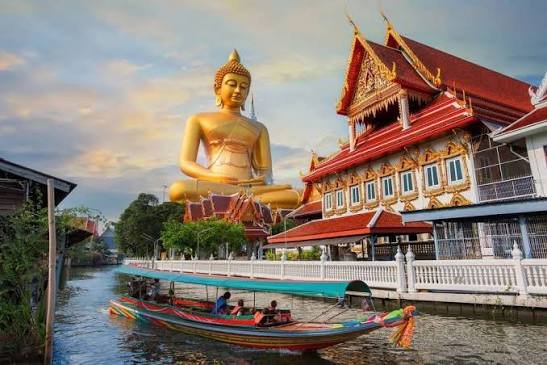
Famous for marine fossils embedded in rocks at 4,400 metres — evidence of the Tethys Sea that once covered this region — Langza is the finest single example of what makes Spiti’s villages so extraordinary. The giant gold Buddha statue overlooking the village against Himalayan peaks creates one of Spiti’s most photographed compositions.
Dhankar Lake
A high-altitude lake above the cliff-perched Dhankar Monastery, reached by a 2-hour trekking trail, offers views of the confluence of the Spiti and Pin Rivers in a landscape that looks genuinely prehistoric.
Advantages of Summer Travel
- Complete road accessibility via both Shimla-Kaza and Manali-Kaza routes
- All monasteries, villages, and high-altitude attractions fully accessible
- Village homestays operational providing the most authentic Spitian cultural experience
- Festivals in July and August bring cultural richness to the landscape
- All adventure activities including trekking, mountain biking, and camping fully operational
Disadvantages
- July and August bring peak crowds to Key Monastery and Chandratal
- Hotel and homestay rates are at their highest in July and August
- Flash flood and landslide risk increases in August on some approach roads
- The Manali-Kaza road particularly requires flexibility as conditions can change rapidly
June and September — The Finest Months for First-Time Visitors
June and September represent Spiti’s finest balance of complete accessibility, comfortable weather, manageable crowds, and full cultural vitality.
What Makes June Special?
- Fresh snow walls on high passes after winter create dramatic visual corridors
- All routes simultaneously open for the first time of the year
- Villages wake from winter isolation with genuine community energy
- Lower visitor numbers than July and August despite full accessibility
- The landscape retains its winter-clean quality before summer dust settles
What Makes September Special?
- Crowds thin dramatically from August peak
- The Ladakh Festival energy spills into Spiti cultural calendar
- Autumn colours begin appearing in valley trees and grasslands
- Both routes still fully open for the complete Spiti circuit
- Photography conditions improve as the summer haze dissipates
- Temperatures are comfortably cool for trekking and outdoor exploration
Visiting Spiti During Autumn (October)
October is a transitional month that attracts experienced travellers and photographers seeking Spiti’s most dramatic and least crowded version before winter closes the valley.
Weather During Autumn
Temperatures drop sharply in October — days are 5°C to 15°C, nights fall well below freezing particularly in the second half of the month. The first snowfall on higher passes arrives in October, and the Kunzum Pass typically closes in late October or early November.
Why Visit Spiti in October?
- Autumn colours in the valley’s sparse vegetation create extraordinary photography
- Absolute solitude as tourist numbers drop to a fraction of summer levels
- Crystal-clear skies with the year’s finest mountain visibility
- Both routes typically still open in early October
- Homestay owners are warm and welcoming during the quiet pre-winter period
- Snow dusting on higher peaks creates dramatic contrast with golden valley colours
October requires careful monitoring of pass closure updates — flexibility in departure dates is essential.
Advantages of Autumn Travel
- Most dramatic photography conditions of the year
- Near-total solitude at Key Monastery and all major sites
- Exceptional mountain clarity and crisp, clean air
- Lowest tourist season rates on homestays and guesthouses
Disadvantages
- Kunzum Pass may close without advance notice
- Increasingly cold nights requiring proper cold-weather gear
- Some homestays begin closing from mid-October
- Limited flexibility if weather deteriorates unexpectedly
Visiting Spiti During Winter (November to April)
Winter Spiti is one of the most remote and extreme travel experiences available anywhere in India. The Kunzum Pass closes completely. The Kinnaur route becomes icy and dangerous. The valley is cut off from the outside world except by air to Shimla or Kullu and then overland on the partially open Kinnaur road with extreme caution.
Weather During Winter
Temperatures plunge to minus 20°C to minus 30°C at valley level. The Spiti River and its tributaries freeze solid. Villages receive no outside visitors for months. A handful of local families remain through winter maintaining the monasteries and their homes.
Why Some Travellers Come to Spiti in Winter?
- The snowfall landscape is genuinely otherworldly and surreal
- Snow Leopard sightings near Pin Valley increase dramatically in winter as the cats descend to lower elevations following their prey
- Astrophotography at 4,000 metres with zero light pollution in clear winter skies is unmatched in India
- Deep winter Spiti is among the most genuine off-grid experiences available in the country
Popular Winter Attractions
Snow Leopard Tracking
Pin Valley National Park offers India’s highest-probability snow leopard sightings in winter months, when the cats descend to lower elevations near villages. Local guides with detailed knowledge of movement patterns take small dedicated groups on dawn-to-dusk tracking expeditions.
Key Monastery in Snow
The sight of Key Monastery buried in snow against a winter blue sky — when the only sounds are wind and occasional monastery bells — is one of those travel images that stay permanently in the memory.
Advantages of Winter Travel
- Snow Leopard tracking — the world’s most sought-after wildlife sighting
- Completely unspoiled, crowd-free landscape
- Extraordinary astrophotography opportunities
Disadvantages
- Temperatures of minus 20°C to minus 30°C require extremely serious gear preparation
- Road access is dangerous and partially blocked
- Most homestays and guesthouses are closed
- Emergency medical evacuation is extremely difficult
- Not suitable for first-time Himalayan travellers or those without cold-weather expedition experience
Best Time to Visit Spiti Valley for Different Travellers
For First-Time Visitors
June and September are the safest, most accessible, and most rewarding months with all attractions open, manageable road conditions, and operational homestays providing guided cultural context.
For Road Trip and Motorbike Riders
June to September is the essential window. The complete Shimla-Kaza-Manali circuit only functions when Kunzum Pass is open — typically June through October.
For Budget Travellers
May and October offer the lowest rates with full accessibility in May and still-open routes in early October, combined with dramatically reduced accommodation costs compared to peak July-August.
For Photographers
September to mid-October is the definitive photography window — autumn colours, crystal-clear skies, dramatically reduced crowds, and the finest mountain visibility of the year create exceptional conditions across every Spiti subject.
For Wildlife Enthusiasts
Winter (December to February) for Snow Leopard tracking in Pin Valley, and summer (July to September) for Himalayan Wolf, Himalayan Fox, and high-altitude bird species including Himalayan Snowcock and Chukar Partridge.
Best Time for Chandratal Lake in Spiti
Chandratal is among India’s most spectacular high-altitude natural attractions.
Ideal Months
June to mid-October for Chandratal access.
The Chandratal experience includes:
- Overnight camping at the lakeside under exceptional high-altitude star skies
- Trekking the 4-kilometre trail from the Manali-Kaza road
- Dawn photography when the lake surface reflects the surrounding snow peaks
- The crescent shape visible from the campsite ridge above
- Birdwatching for Bar-headed Geese, Brahminey Ducks, and waders on the lake margins
Book campsites and permits in advance for Chandratal during July and August — the site is managed under restricted visitor numbers.
Festivals and Events in Spiti Valley
Spiti’s festival calendar celebrates its ancient Tibetan Buddhist heritage.
Ladarcha Fair
Held in the third week of August in Kaza, the Ladarcha Fair is an ancient trading fair that brings together communities from remote areas of Spiti, Kinnaur, and Ladakh with yak meat, local crafts, silver jewellery, organic produce, and traditional performances creating a genuinely authentic cultural exchange.
Losar Festival
The Tibetan New Year celebrated in February brings monastery ceremonies, masked Cham dances, and community celebrations to Spiti’s villages, visible only to the handful of winter visitors who make it into the valley.
Key Monastery Festival
Held in June or July at Key Monastery, this monastic festival features elaborate masked dances performed by monks against the dramatic backdrop of the monastery’s clifftop location.
Travel Tips for Visiting Spiti Valley
To make your Spiti Valley trip safe and deeply rewarding, follow these essential guidelines:
- Acclimatise properly — spend at least one night at Rekong Peo or Nako before entering the high-altitude inner valley.
- Carry altitude sickness medication and consult a doctor before travelling.
- Book homestays in advance for July and August — village homestay capacity is limited.
- Carry sufficient cash — ATMs in Kaza are the last reliable cash point; take enough for your entire stay.
- Travel with a full petrol tank from Kaza before entering remote circuits — petrol stations are extremely scarce.
- Respect the remote communities and Buddhist religious sites — dress modestly at monasteries and ask before photographing villagers.
- Register with the local police in Kaza — this is both a safety requirement and a practical emergency precaution for solo travellers.
- Download offline maps before entering the valley — internet connectivity is extremely limited and unreliable throughout most of Spiti.
Conclusion
The best time to visit Spiti Valley is from June to September, when the Kunzum Pass is open, the complete road circuit is accessible, all monasteries and high-altitude villages can be reached, and the raw beauty of this cold desert landscape is at its most varied and rewarding.
September stands out as the finest single month — crowds thin from August peak, autumn colours begin transforming the valley, both routes remain open, and the extraordinary landscape reveals itself most clearly under September’s crisp, clear skies.
Whether you come for Key Monastery’s clifftop drama, Chandratal Lake’s glacial perfection, Langza’s marine fossils at 4,400 metres, the Snow Leopard’s elusive winter presence, or simply the profound experience of being somewhere so remote and so beautiful that it fundamentally shifts your sense of what travel can be, Spiti Valley will give you something you cannot find anywhere else.
Frequently Asked Questions
Q1. What is the best month to visit Spiti Valley?
A: June and September are the two finest months — June for fresh snow walls on passes and complete circuit opening, September for autumn colours, thin crowds, and crystal-clear mountain views.
Q2. Is Spiti accessible in winter?
A: Very limitedly. Kunzum Pass closes completely. The Kinnaur route is icy and dangerous. Only extremely experienced cold-weather travellers should attempt winter Spiti, primarily for Snow Leopard tracking.
Q3. When does Kunzum Pass open?
A: Typically between late May and early June, though exact dates vary each year based on snowfall. Check current road status through Manali traffic police reports before departure.
Q4. Can I visit Spiti without a 4×4 vehicle?
A: The Shimla-Kaza route can be done in a regular car in good weather. The Manali-Kaza route via Kunzum Pass and river crossings requires a high-clearance vehicle and is strongly recommended for 4×4 or SUV only.
Q5. How many days are enough for Spiti Valley?
A: A minimum of 7 to 8 days is needed to cover Kaza, Key Monastery, Langza, Komic, Hikkim, Chandratal Lake, Dhankar, Tabo, and Pin Valley without rushing. 10 to 12 days allows a more immersive experience.