Tawang is one of India’s most remote, spiritually significant, and visually extraordinary destinations — a high-altitude town in the far western corner of Arunachal Pradesh, sitting at approximately 3,000 metres elevation in the Eastern Himalayas, famous for the Tawang Monastery — the largest Buddhist monastery in India and second largest in the world — the pristine Madhuri Lake reflecting surrounding snow peaks, the Sela Pass at 4,170 metres draped in prayer flags on the road approach, the Bumla Pass on the India-China border, the Nuranang Waterfall known as Jang Falls, the Jaswant Garh War Memorial honouring a heroic Mahavir Chakra awardee, and the deeply intact Monpa Buddhist cultural traditions that give Tawang its unique spiritual identity. Whether you are planning a monastery pilgrimage, a high-altitude nature trek, a cultural immersion journey, a snowfall experience, or a once-in-a-lifetime road trip through the Eastern Himalayas, choosing the best time to visit Tawang is critical — both for access and for the version of this extraordinary place you will encounter.
Tawang requires an Inner Line Permit for Indian citizens and a Protected Area Permit for foreign nationals. All visits must be planned with these mandatory documentation requirements in mind, and the town’s extreme high-altitude location means weather changes rapidly and dramatically across seasons.
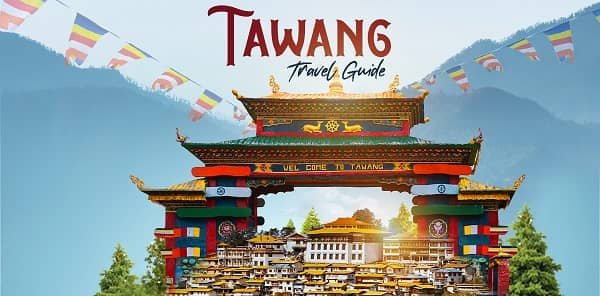
Tawang Travel Overview
| Factor | Details |
| Best Overall Time | March to June and September to November |
| Peak Tourist Season | April to June and October |
| Cheapest Time to Visit | July to August |
| Best for Snowfall | December to February |
| Best for Sightseeing | March to May and September to October |
| Best for Trekking | April to June and September to October |
| Best for Honeymoon | October to November |
| Best for Budget Travelers | July to August |
| Best for Festivals | April to May |
| Average Temperature | Minus 15°C to 21°C (varies by season) |
Why Timing Matters When Visiting Tawang
Tawang’s accessibility depends almost entirely on road conditions, and road conditions in the Eastern Himalayas depend entirely on weather. The only road access to Tawang — a 320-kilometre journey from Tezpur through Bomdila and over Sela Pass — passes through one of India’s most challenging mountain road sections. Sela Pass at 4,170 metres can be blocked by snow from November to February, and heavy monsoon rainfall from July to September creates landslide risk at multiple points on the route. Understanding when roads are reliably open and when weather creates genuine access uncertainty is the foundational planning consideration for any Tawang trip.
The proposed Sela Tunnel project — when fully operational — aims to provide all-weather connectivity through Sela, which will significantly change Tawang’s seasonal accessibility profile in coming years.
Visiting Tawang During Summer and Spring (March to June)
Spring and early summer represent the finest and most accessible window for visiting Tawang. The winter snowfall melts progressively, the Sela Pass road reopens after any winter closures, rhododendrons bloom across the mountain slopes, and the weather provides the most comfortable conditions for sightseeing, trekking, and monastery exploration.
Weather During Spring and Summer
Temperatures range between 5°C and 21°C — pleasantly cool during the day with chilly mornings and evenings requiring warm clothing throughout. April and May are particularly pleasant with the best combination of cleared roads, blooming landscapes, and comfortable outdoor temperatures.
Why Visit Tawang in Spring and Summer?
- Roads through Sela Pass are reliably open after winter closure making the journey manageable
- Rhododendrons, orchids, and wildflowers bloom across the surrounding hillsides from March through May — one of the Eastern Himalayas’ finest natural spectacles
- Tawang Monastery — the 17th-century monastery founded by Merak Lama Lodre Gyatso at 3,048 metres — is most actively functioning with monks conducting daily rituals
- Madhuri Lake, also called Shungetser Lake, is most beautifully reflected in clear spring skies
- Sela Lake and the surrounding high-altitude landscape are accessible in the spring clarity
- The Tawang Festival — celebrating Monpa tribal culture with traditional mask dances, music, and archery — is typically held in April or early May
- All guesthouses and hotels in Tawang town are fully operational
- Bird diversity in the surrounding forests is highest during the spring migration
Spring is the most comfortable and most complete season for a first-time Tawang visit.
Best Places to Visit
Tawang Monastery
The magnificent 17th-century monastery at 3,048 metres — housing over 450 monks, containing priceless manuscripts, Thangka paintings, and a 28-foot-high gold-plated Buddha statue — is most actively vibrant during spring when the monastic calendar hosts its most significant rituals and the monastery’s surrounding gardens are in bloom.
Madhuri Lake
Located 35 kilometres from Tawang town at high altitude, this stunning glacial lake surrounded by snow-capped peaks became famous after being featured in a Bollywood film. Spring and autumn provide the clearest reflections and most vivid surrounding landscapes.
Sela Pass
The dramatic 4,170-metre mountain pass on the approach road to Tawang — draped in prayer flags and surrounded by alpine lake scenery — is most safely and most beautifully experienced between April and October.
Nuranang Waterfall (Jang Falls)
Located 35 kilometres from Tawang, this multi-tiered waterfall descending through dense pine forest is at its most powerful in late spring and summer as snowmelt feeds the cascade with maximum water volume.
Advantages of Spring and Summer Travel
- Reliably open road access through Sela Pass
- Rhododendron and orchid bloom creates spectacular natural colour across mountain slopes
- Most comfortable temperatures for extended monastery and outdoor exploration
- All tourist facilities fully operational
- The annual Tawang Festival in April or May creates cultural richness
Disadvantages
- April to June is the peak tourist season with the highest accommodation demand
- Hotel rooms in Tawang must be booked well in advance for April and May
- June sees increasing pre-monsoon cloud building that can reduce mountain view clarity
- Popular sites like Madhuri Lake require day-trip vehicle hire which must be arranged in advance
April and May — Tawang’s Cultural and Natural Peak
April and May represent Tawang at its most vibrant — the Tawang Festival brings the Monpa community’s cultural traditions to spectacular expression precisely when the natural landscape is most colourful.
What Makes April and May Special?
- Tawang Festival features Cham mask dances performed by monks in elaborate traditional costumes, archery competitions, Yak racing, and Monpa folk music performances
- Rhododendrons at peak bloom on hillsides surrounding the town
- Clear mountain views before monsoon cloud season begins
- All border posts including Bumla Pass accessible to Indian tourists with prior military permission
- Longest daylight hours allowing maximum daily sightseeing
Book Tawang accommodations at least 4 to 6 weeks in advance for April and May — the limited hotel capacity in the town fills quickly during the festival period and school holiday season.
Visiting Tawang During Autumn (September to November)
Autumn is Tawang’s second prime travel window — often considered the most beautiful season by experienced visitors. The monsoon has retreated, leaving the forests and hillsides intensely green, the skies crystal clear, and the entire Eastern Himalayan landscape at its most dramatically photogenic.
Weather During Autumn
Temperatures range between 4°C to 18°C in September and October, dropping progressively colder through November. Days are bright, clear, and perfectly suited for extended outdoor exploration. The Sela Pass is reliably open through October before early winter snowfall begins threatening closure in November.
Why Visit Tawang in Autumn?
- Post-monsoon clarity delivers the year’s clearest views of the surrounding Himalayan peaks
- The intensely green post-monsoon landscape combined with autumn colours creates exceptional photography conditions
- Fewer tourists than the April-May peak — a quieter, more contemplative version of the destination
- Hotel rates are below the spring peak
- All sightseeing attractions remain fully accessible through October
- The beginning of the Monpa harvest season brings community activity and cultural visibility to the surrounding villages
Popular Autumn Attractions
Bumla Pass in Autumn
The 4,700-metre India-China border pass accessible to Indian tourists with prior military permission clearance is most dramatically beautiful in October when autumn light illuminates the border region with a clarity that summer monsoon never delivers.
Village Walks in Harvest Season
The Monpa villages surrounding Tawang — Jang, Mukto, and Thingbu — are most active in the autumn harvest season when buckwheat, barley, and maize are harvested against backdrops of intensely green hillsides and freshly clear mountain skies.
Gorichen — Eastern Himalayas’ Highest Peak View
Gorichen at 6,538 metres — Arunachal Pradesh’s highest peak — is most clearly visible from Tawang’s viewpoints in October when post-monsoon clarity and pre-winter snowfall on the summit combine for the most dramatic mountain photography.
Advantages of Autumn Travel
- The year’s clearest mountain views from all viewpoints around Tawang
- Post-monsoon landscape at its most intensely green and vivid
- Fewer tourists than spring peak — more peaceful and authentic experience
- All roads and attractions accessible through October
Disadvantages
- November sees temperatures dropping sharply with early winter snowfall possible
- Sela Pass begins experiencing snow in November making road conditions unpredictable
- Some facilities begin reducing operations in November as winter approaches
- Days shorten noticeably in October and November
Visiting Tawang During Winter (December to February)
Winter in Tawang is one of the most extreme and most dramatic seasonal experiences available in India. The town and surrounding landscape are buried under heavy snow, temperatures plunge to minus 10°C and occasionally minus 15°C, and the world becomes a completely white, almost completely silent alpine wilderness at 3,000 metres.
Weather During Winter
Temperatures range between minus 10°C and 5°C in Tawang town. The Sela Pass can receive snowfall that closes the road entirely for days at a time. Accommodation heating is essential and not all guesthouses in Tawang have adequate facilities.
Why Some Travellers Visit Tawang in Winter?
- The snowfall landscape of Tawang Monastery against white mountains is among the most visually powerful scenes in Northeast India
- Bumla Pass and Sela Pass in deep winter snow create extraordinary photography subjects
- Complete solitude — the most genuinely remote and peaceful experience of Tawang
- The oldest and most authentic version of the monastic community in its winter daily rhythm
- New Year and Christmas period visits allow a unique high-altitude snow celebration
Popular Winter Attractions
Tawang Monastery in Snow
The white-painted monastery walls surrounded by deep snow against a winter blue sky on a clear day is an image that stays permanently in memory — the most dramatic single visual experience in Tawang across all seasons.
Sela Pass in Deep Winter
The 4,170-metre pass buried in snow with frozen Sela Lake beside the road and prayer flags emerging from the white creates one of Arunachal Pradesh’s most extraordinary winter photographic subjects.
Advantages of Winter Travel
- Most dramatic snowfall landscape of the year
- Complete solitude and a deeply intimate monastic atmosphere
- Lowest accommodation rates of the year
Disadvantages
- Extreme cold of minus 10°C to minus 15°C requiring heavy-duty cold weather equipment
- Sela Pass road may close completely during heavy snowfall events
- Most tourist facilities in Tawang operate at minimal capacity
- Not suitable for first-time visitors or those without cold weather experience
Visiting Tawang During Monsoon (July to August)
Monsoon brings the highest rainfall to the Eastern Himalayas and with it, significant landslide risk on the approach road to Tawang. July and August are generally considered the off-season due to travel disruption risk, though the landscape transformation is genuinely beautiful.
Weather During Monsoon
Temperatures range between 10°C and 18°C with regular to heavy rainfall particularly in July and August. Cloud cover frequently obscures mountain views, and the road through the Himalayan foothills to Tawang is the most landslide-affected route in Arunachal Pradesh.
Why Some Travellers Visit in Monsoon?
- Hotel rates are lowest of the year with significant savings
- The landscape is at its most intensely green and lush
- Waterfalls including Nuranang reach their maximum power
- The monsoon rhythm of the monastery and town has its own atmospheric character
Disadvantages
- Landslides on the approach road can close access entirely for days
- Mountain views are cloud-obscured for most of the period
- Not recommended for travellers with fixed itineraries or limited time
The Inner Line Permit — Essential for All Visitors
Every visitor to Tawang — Indian or foreign national — requires official permit documentation.
Indian nationals require an Inner Line Permit (ILP) issued by the Government of Arunachal Pradesh. Apply online through the official Arunachal Pradesh ILP portal or at authorised offices in Guwahati, Tezpur, or Bomdila. Processing typically takes one to two days. Carry multiple printed copies as the permit is checked at several entry points along the route.
Foreign nationals require a Protected Area Permit (PAP), which is more restrictive — groups of two or more foreign nationals may apply through registered Indian tour operators. Solo foreign travel to Tawang is not currently permitted.
Begin permit processing at least one week before your planned departure date to avoid delays.
Best Time to Visit Tawang for Different Travellers
For First-Time Visitors
April to May is the recommended window — reliably open roads, comfortable temperatures, the Tawang Festival, and rhododendron blooms create the most complete and most vibrant first Tawang experience.
For Photographers
October delivers the finest photography conditions — crystal-clear skies, post-monsoon green landscape, and the warm golden autumn light that makes every Himalayan scene most vivid. November’s first snowfall on mountain peaks adds dramatic contrast.
For Culture and Festival Seekers
April or May for the Tawang Festival — the Cham mask dances, archery, and Monpa cultural performances are the most complete expression of Tawang’s living cultural heritage.
For Snow Seekers
December to January delivers the most reliable and most dramatic snowfall. January in particular provides the deepest snow conditions with the most extraordinary winter landscape photography.
For Budget Travellers
July to August offers the lowest rates — the landscape is beautiful and the monastery remains accessible, though road disruption risk requires itinerary flexibility.
Festivals and Events in Tawang
Tawang’s festival calendar reflects its deep Tibetan Buddhist heritage and Monpa cultural identity.
Tawang Festival
Held annually in April or May, this celebration of Monpa tribal culture features elaborately costumed Cham mask dances performed by Tawang Monastery monks, Yak racing, traditional archery competitions, and folk music performances. It is the most concentrated expression of Tawang’s cultural identity and the finest event in the regional tourism calendar.
Losar Festival
The Tibetan Buddhist New Year celebrated in February or March brings monastery rituals, traditional community feasting, and cultural performances to Tawang and the surrounding Monpa villages in a deeply authentic celebration of the region’s spiritual calendar.
Kalachakra and Monastic Ceremonies
The Tawang Monastery conducts regular Kalachakra, Dosmoche, and Torgya ceremonies throughout the year — the timing of these rituals follows the Tibetan Buddhist calendar and varies annually. Check with the monastery directly for specific ceremony dates when planning a monastery-focused visit.
Travel Tips for Visiting Tawang
To make your Tawang trip most rewarding and safe, follow these essential guidelines:
- Apply for the Inner Line Permit at least one week before departure — multiple copies are essential as checks occur at several points including Bhalukpong, Bomdila, and Sela Pass.
- The journey from Tezpur to Tawang covers approximately 320 kilometres and takes 11 to 13 hours under good road conditions — plan an overnight halt at Bomdila or Dirang to break the journey and begin acclimatisation.
- Acclimatisation is essential — arrive in Tawang with a rest day before attempting high-altitude excursions to Bumla Pass or Madhuri Lake.
- Carry warm clothing even in summer — temperatures at 3,000 metres can drop rapidly after sunset.
- Book Bumla Pass visits well in advance through Army-registered travel agents in Tawang — permits for the border area require advance clearance.
- Fuel availability beyond Tezpur is limited — fill completely at Tezpur and carry reserve fuel if driving your own vehicle.
- ATMs in Tawang are limited and sometimes out of service — carry sufficient cash from Tezpur or Guwahati for your entire stay.
- Check road and weather conditions through Arunachal Pradesh tourism or local driver contacts before starting the journey, particularly October through February.
Conclusion
The best time to visit Tawang is from March to June and September to October — the two comfortable weather windows that provide reliably open road access, the most comfortable temperatures for monastery and outdoor exploration, and the clearest Himalayan views in the Eastern Himalayas. April and May stand out as the finest individual months — the Tawang Festival, the rhododendron bloom, and ideal sightseeing weather combine for the most complete first Tawang experience. October delivers the finest photography conditions and the most intensely beautiful post-monsoon landscape.
Whether you come for the Tawang Monastery’s spiritual grandeur, the Madhuri Lake’s glacial beauty, the Sela Pass prayer-flag drama, the Monpa cultural traditions, the snowfall experience, or simply the profound experience of standing at 3,000 metres in the Eastern Himalayas surrounded by one of India’s most pristine and unspoiled mountain environments, Tawang rewards every visitor who makes the effort to reach it with an experience that is genuinely unlike any other destination in India.
Frequently Asked Questions
Q1. What is the best month to visit Tawang?
A: April and May for the Tawang Festival, rhododendron bloom, and reliable road access — and October for the year’s clearest mountain views and post-monsoon green landscape. Both are consistently the finest individual months.
Q2. Do I need a permit to visit Tawang?
A: Yes — all Indian nationals require an Inner Line Permit (ILP) from the Arunachal Pradesh government. Foreign nationals require a Protected Area Permit (PAP) obtained through a registered tour operator. Both must be arranged before arrival.
Q3. Does Tawang get snow?
A: Yes — heavy snowfall from December to February, with the Sela Pass frequently covered in snow from November. The town of Tawang itself receives significant snow from December through January.
Q4. How long does it take to reach Tawang from Guwahati?
A: Approximately two days by road — a 520-kilometre journey via Tezpur, Bhalukpong, Bomdila, and Dirang with a recommended overnight halt at Bomdila or Dirang. The nearest airport and railhead are in Guwahati.
Q5. How many days are enough for Tawang?
A: A minimum of 5 to 6 days is recommended — including two days of travel, a rest and acclimatisation day, and at least two full sightseeing days covering the monastery, Madhuri Lake, Bumla Pass, and the war memorial.