Malaysia is one of Southeast Asia’s most diverse and rewarding travel destinations, famous for its gleaming twin towers in Kuala Lumpur, ancient rainforests teeming with orangutans and hornbills, pristine island beaches along two separate coastlines, the UNESCO-listed heritage cities of George Town and Malacca, the orangutan sanctuaries of Borneo, and a culinary landscape where Malay, Chinese, Indian, and indigenous flavours coexist in extraordinary variety. Whether you are planning a beach holiday, a wildlife expedition, a cultural city break, or a rainforest adventure, choosing the best time to visit Malaysia ensures you get the most from this endlessly varied destination.
Malaysia’s geography creates an important regional distinction — the west coast (including Kuala Lumpur, Penang, and Langkawi) and the east coast (including Perhentian Islands, Tioman, and Borneo) follow opposite seasonal patterns due to differing monsoon exposure. Understanding this east-west divide is the single most important planning consideration for any Malaysia trip.
Malaysia Travel Overview
| Factor | Details |
| Best Overall Time | March to October |
| Peak Tourist Season | July, August, and December |
| Cheapest Time to Visit | September to November |
| Best for West Coast Beaches | November to April |
| Best for East Coast Beaches | March to October |
| Best for Borneo Wildlife | March to September |
| Best for Honeymoon | March to May |
| Best for Budget Travelers | September to November |
| Best for Festivals | January to February and August |
| Average Temperature | 25°C to 35°C year-round |
Why Timing Matters When Visiting Malaysia
Malaysia experiences two distinct monsoon systems operating on opposite coastlines simultaneously. The Southwest Monsoon affects the east coast from November to February, making the Perhentian Islands and Tioman inaccessible with choppy seas. The Northeast Monsoon affects the west coast from May to September — though its impact on Kuala Lumpur, Penang, and Langkawi is typically brief afternoon showers rather than full-day downpours.
This means that while Malaysia is broadly a year-round destination, what you can access and enjoy changes significantly depending on where you plan to go and when.
Additionally, 2026 is Visit Malaysia Year — a government-designated tourism campaign year bringing special events, festivals, and promotions throughout 2026 that make this a particularly rewarding time to visit.
Visiting Malaysia During Dry Season — West Coast (November to April)
The west coast dry season is the most consistently popular travel window for international visitors, offering ideal conditions across Kuala Lumpur, Penang, Langkawi, and the Cameron Highlands simultaneously.
Weather During West Coast Dry Season
Temperatures remain consistently tropical at 25°C to 32°C with lower rainfall than the monsoon months, longer sunshine hours, and calm seas along the Strait of Malacca coastline.
Why Visit Malaysia’s West Coast in This Period?
- Langkawi’s beaches have calm, clear waters perfect for swimming and snorkelling
- Penang’s street food culture and heritage Georgetown are at their most pleasant in the cool, drier air
- Kuala Lumpur sightseeing is comfortable with shorter afternoon rain periods
- Cameron Highlands tea estates and cool mountain conditions are ideal for trekking and plantation walks
- Chinese New Year in January or February transforms Kuala Lumpur and Penang with spectacular festivities
- Thaipusam — one of Asia’s most dramatic Hindu festivals — fills Batu Caves with extraordinary devotional energy in January or February
This is the most popular and fully operational season for west coast Malaysia travel.
Best Places to Visit
Langkawi Island
Malaysia’s most celebrated island destination offers pristine beaches, duty-free shopping, cable car mountain views, and mangrove boat tours. November to April delivers calm seas and reliable sunshine for beach and water activities.
Penang — George Town
The UNESCO World Heritage historic city and Southeast Asia’s most celebrated street food destination is pleasant year-round but particularly enjoyable between December and April when heat and rain are at their most manageable.
Kuala Lumpur
The capital’s Petronas Twin Towers, Batu Caves, KL Forest Eco Park, and vibrant street food and cultural districts are most comfortably explored in Malaysia’s drier months with up to 8.2 sunshine hours daily in June.
Cameron Highlands
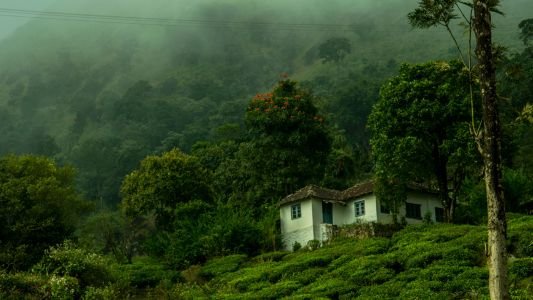
The British colonial-era hill station at 1,500 metres elevation offers cool temperatures, strawberry farms, mossy forest treks, and working tea estate tours — comfortable to visit in any season but most accessible during drier months.
Advantages of West Coast Dry Season Travel
- Ideal beach conditions on Langkawi and west coast islands
- Chinese New Year and Thaipusam festivals create extraordinary cultural experiences
- Comfortable sightseeing in Kuala Lumpur and Penang
- Long sunshine hours for photography and outdoor activities
- All water activities and boat tours fully operational
Disadvantages
- December and January are among Malaysia’s most expensive travel months
- Chinese New Year brings significant domestic travel crowds and some business closures
- Popular Langkawi resorts require advance booking during peak December to February
Chinese New Year and Thaipusam — Malaysia’s Most Spectacular Festivals
January and February represent the most culturally vibrant months in Malaysia’s festival calendar, anchored by two extraordinary events that reflect the country’s multicultural identity.
What Makes This Period Special?
- Chinese New Year transforms KL’s Chinatown and Penang’s heritage quarter with lanterns, dragon dances, and fireworks
- Thaipusam at Batu Caves sees over one million devotees climbing 272 steps to the limestone temple caves in one of Asia’s most visually dramatic religious processions
- Penang’s George Town Heritage Festival brings art, music, and cultural performances to UNESCO-listed streets
- Street food markets and cultural performances multiply across Kuala Lumpur during this festive period
Book accommodations in KL and Penang several months in advance for Chinese New Year and Thaipusam travel.
Visiting Malaysia for East Coast Beaches (March to October)
The east coast of Peninsular Malaysia — including the Perhentian Islands, Tioman Island, Redang Island, and the beaches of Terengganu and Kelantan — follows an entirely different seasonal pattern. These islands are closed from November to February when the Northeast Monsoon makes seas too rough for boat access.
Weather During East Coast Dry Season
Temperatures are consistently tropical at 27°C to 33°C with calm, clear seas and excellent underwater visibility from March to October. This is when the Perhentians and Tioman are at their absolute best.
Why Visit Malaysia’s East Coast in This Period?
- Perhentian Islands offer some of Southeast Asia’s finest and most affordable snorkelling and diving
- Tioman Island diving visibility reaches up to 20 metres during the clearest months
- Leatherback turtle nesting season at Rantau Abang in Terengganu runs from May to September
- East coast beaches are generally less developed and more peaceful than west coast resorts
- Whale shark season off Tioman Island runs from March to April and August to September
Popular East Coast and Borneo Attractions
Perhentian Islands
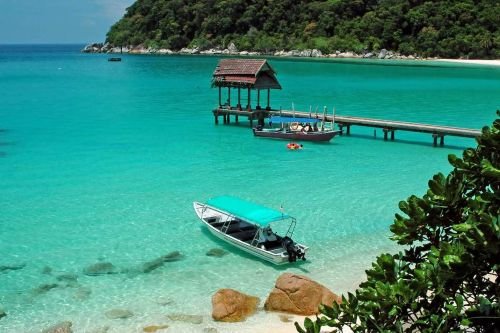
Two small islands off the Terengganu coast with crystal-clear water, vibrant coral reefs, sea turtles, blacktip reef sharks, and some of Malaysia’s most affordable beach bungalow accommodation. Only accessible from March to October.
Tioman Island
A larger, mountainous jungle island off the Pahang coast with excellent diving, jungle trekking trails, and waterfalls. Accessible from March to November with peak conditions from March to July.
Borneo — Sabah and Sarawak
Malaysia’s Borneo states of Sabah and Sarawak offer Mount Kinabalu climbing, orangutan sanctuaries at Sepilok, proboscis monkey river cruises in Kinabatangan, and the extraordinary biodiversity of Danum Valley and Mulu National Park. March to September is the prime window for Borneo with drier jungle trails and calmer mountain climbing conditions.
Visiting Malaysia During Monsoon (November to February on East Coast)
The east coast monsoon closes the Perhentians and Tioman entirely, but the west coast and Borneo continue to offer rewarding travel with reduced prices and smaller crowds.
Weather During Monsoon
The west coast experiences afternoon showers rather than sustained monsoon rain — typical tropical conditions. Kuala Lumpur, Penang, and Langkawi remain accessible and functional with brief, heavy downpours usually clearing within an hour. The east coast and its islands are a different story — genuinely rough seas make ferry crossings dangerous and island resorts closed.
Why Visit Malaysia During Monsoon?
- Lowest hotel prices across west coast destinations
- Fewer international tourists at Kuala Lumpur and Penang attractions
- Lush, intensely green landscapes and maximum waterfall flow
- Cultural festivals in west coast cities continue unaffected
- Budget accommodation on Langkawi at highly competitive rates
Popular Monsoon Activities
- Kuala Lumpur city exploration and street food tours
- Penang’s indoor heritage attractions and cooking classes
- Cameron Highlands tea estate and jungle walks
- Malacca heritage city exploration
- Borneo wildlife and rainforest experiences
Advantages of Monsoon Travel
- Lowest prices across west coast accommodation
- Fewer tourists at major attractions
- Lush post-rain landscapes for photography
- Full cultural and urban experiences remain unaffected
Disadvantages
- East coast islands completely closed and inaccessible
- Outdoor activities may be disrupted by afternoon downpours
- Some outdoor experiences at Borneo are less comfortable in peak wet conditions
Best Time to Visit Malaysia for Different Travellers
For Honeymooners
March to May delivers the finest combination of west coast beach conditions, east coast island access, and the romantic atmosphere of Langkawi’s luxury resorts in comfortable, not-too-hot weather.
For Families
June to August during the Malaysian school holiday window offers maximum activity availability, warm weather across all regions, and all island ferries fully operational.
For Budget Travellers
September to November offers noticeably lower hotel rates on the west coast while east coast islands are still technically open in September and October before the monsoon peaks.
For Wildlife and Nature Lovers
March to September is essential for Borneo wildlife — orangutans at Sepilok, pygmy elephants along the Kinabatangan River, and proboscis monkeys in the Bako National Park mangroves are most active and accessible in drier conditions.
For Divers and Snorkellers
April to October is ideal for east coast diving at the Perhentians and Tioman — clearest visibility, warmest water, and calm surface conditions for the most rewarding underwater experiences.
Best Time for Beaches in Malaysia
Malaysia’s two coastlines require separate planning.
West Coast Beaches — Langkawi, Penang
Best months are November to April.
Activities include:
- Langkawi beach swimming and water sports
- Cable car rides to Mount Machinchang
- Island hopping by boat
- Mangrove kayaking tours
- Duty-free shopping at Kuah
East Coast Islands — Perhentians, Tioman, Redang
Best months are March to October.
Activities include:
- Snorkelling with sea turtles and blacktip reef sharks
- Scuba diving on pristine coral reefs
- Jungle trekking on rainforest interior trails
- Beach camping at less-developed island spots
Festivals and Events in Malaysia
Malaysia’s multicultural festival calendar enriches every season.
Chinese New Year
The Lunar New Year transforms Kuala Lumpur, Penang, and Malacca with weeks of festivities, dragon dances, light displays, open house invitations, and some of the year’s finest street food.
Thaipusam
Held at Batu Caves near Kuala Lumpur and the Nattukkotai Chettiar Temple in Penang, Thaipusam draws over one million participants in a powerful Hindu devotional celebration involving elaborate kavadi body piercing rituals.
Hari Raya Aidilfitri
The end of Ramadan brings Malaysia’s most widely celebrated festival with families across the country opening their homes, traditional ketupat rice dishes served everywhere, and a warmth of communal celebration deeply characteristic of Malaysian culture.
Travel Tips for Visiting Malaysia
To make your Malaysia vacation most rewarding, consider these practical tips:
- Book Perhentian Island ferries and bungalows in advance for peak March to August season — availability is genuinely limited.
- Carry a compact umbrella regardless of season — afternoon showers occur throughout the year.
- Dress modestly when visiting mosques and temples — carry a light scarf for shoulders and knees.
- Try street food in Penang’s Georgetown night markets and KL’s Jalan Alor — Malaysia’s culinary identity is inseparable from its street food culture.
- Linen or moisture-wicking clothing is strongly preferable to cotton in Malaysia’s 70 to 80 percent humidity.
- 2026 is Visit Malaysia Year — check the Tourism Malaysia website for special events, discounts, and cultural programmes throughout the year.
- Book Mount Kinabalu climbing permits months in advance — daily numbers are strictly limited and the most popular slots fill very early.
Conclusion
The best time to visit Malaysia depends on where you want to go — but March to October offers the most consistently rewarding conditions across the country’s key destinations simultaneously. West coast beaches and cities are pleasant year-round, east coast islands are at their finest from March to October, and Borneo’s wildlife and jungle experiences are most accessible in the same window.
For a first visit covering Kuala Lumpur, Penang, and either a west or east coast beach destination, March to May is the finest all-round travel window — comfortable weather, reasonable prices before school holiday peaks, and east coast islands at their most beautiful.
Malaysia in 2026 carries the added appeal of Visit Malaysia Year, bringing a richer-than-usual calendar of cultural events, special programmes, and promotional offers that make this an especially rewarding year to discover one of Southeast Asia’s most diverse and welcoming destinations.
Frequently Asked Questions
Q1. What is the best month to visit Malaysia overall?
A: March to May is the finest window — comfortable weather on the west coast, east coast islands fully open, Borneo wildlife season underway, and prices below the July-August school holiday peak.
Q2. Is Malaysia good to visit during monsoon?
A: On the west coast, yes — Kuala Lumpur, Penang, and Langkawi experience brief afternoon showers rather than sustained rain. East coast islands are closed from November to February.
Q3. What is the peak tourist season in Malaysia?
A: July and August (school holidays) and December to January (Christmas and New Year) are the busiest and most expensive months across the country.
Q4. When can I visit the Perhentian Islands?
A: The Perhentians are only accessible from approximately March to October. They close completely from November to February due to the Northeast Monsoon making sea crossings unsafe.
Q5. How many days are enough for Malaysia?
A: A 10 to 14-day trip comfortably covers Kuala Lumpur, Penang, Langkawi, and either a Borneo wildlife experience or an east coast island escape with meaningful time in each destination.