Dalhousie is one of Himachal Pradesh’s most charming and least commercialised hill stations — a colonial-era town named after Lord Dalhousie, the British Governor-General who first developed it as a summer retreat in 1854, perched across five hills at elevations of 1,525 to 2,378 metres in the Chamba district of the western Himalayas. Famous for its Victorian and Scottish Gothic architecture including St Francis Catholic Church and St John’s Anglican Church, the panoramic views of the Pir Panjal and Dhauladhar mountain ranges from Bakrota Hill’s famous sunset viewpoint, the emerald meadow of Khajjiar — called the Switzerland of India — 22 kilometres from the town, the glacial Chamera Lake created by the Chamera Dam, the Kalatop Wildlife Sanctuary’s dense deodar and cedar forests home to leopards and barking deer, the Dainkund Peak trek above the town, and the colonial-era Mall Road’s heritage bungalows and promenade, Dalhousie offers a quieter, more authentic, and more genuinely Himalayan version of the hill station experience than its busier neighbours Shimla and Manali. Whether you are planning a family summer holiday, a honeymoon retreat, a snow experience, a heritage walk through colonial architecture, a wildlife sanctuary trek, or simply a peaceful escape to a Himalayan hill town that retains much of its original character, choosing the best time to visit Dalhousie shapes your weather, your activities, and the character of your experience.
Dalhousie Travel Overview
| Factor | Details |
| Best Overall Time | March to June and October to November |
| Peak Tourist Season | April to June |
| Cheapest Time to Visit | July to September |
| Best for Snow | December to February |
| Best for Sightseeing | March to June and October to November |
| Best for Honeymoon | October to February and March to April |
| Best for Families | April to June |
| Best for Photography | October to November and March to April |
| Best for Budget Travelers | July to September |
| Average Temperature | Minus 2°C to 30°C (varies by season) |
Why Timing Matters When Visiting Dalhousie
Dalhousie’s elevation of 1,970 metres (at the town centre) creates a Himalayan climate with four clearly distinct seasons — spring, summer, monsoon, and winter — each offering a genuinely different character. Unlike some Indian hill stations that are essentially year-round destinations, Dalhousie’s winters can be genuinely harsh with road closures, and its summer peak is the most popular but also the most crowded. Understanding which season aligns with your travel purpose ensures the experience matches what you came for.
Visiting Dalhousie During Summer and Spring (March to June)
Summer is the most popular time to visit Dalhousie and the season when the hill station performs its most traditional role as a cool escape from the scorching heat of the Punjab plains below. March and April particularly represent a spring ideal — the flower blooms, the views are clear, and the temperatures are perfect without the larger May-June crowd.
Weather During Summer
Temperatures range between 15°C and 30°C — comfortably cool during the day with pleasant evenings. March and April are most pleasant. May and June see temperatures rising slightly toward the upper end of this range while remaining genuinely cooler than the 45°C heat simultaneously affecting Pathankot, Amritsar, and the surrounding plains.
Why Visit Dalhousie in Summer?
- The most complete escape from North Indian plains’ intense summer heat — the 15 to 20 degree temperature difference from nearby plains cities is immediately and physically palpable
- Spring blooms from March through April fill the hillsides with rhododendrons, magnolias, and wildflowers that create extraordinary colour against the pine and deodar forests
- Dainkund Peak trek — the highest accessible point above Dalhousie at 2,755 metres — offers the most panoramic Himalayan views of the season in clear spring air
- Khajjiar’s meadow is at its most vivid green during the spring and early summer months — the combination of emerald grass, surrounding cedar forest, and the small lake in the meadow’s centre creates the “Switzerland” comparison most convincingly
- Kalatop Wildlife Sanctuary is fully accessible with the richest birdwatching season as migrants arrive
- The colonial churches, bungalows, and the Bakrota Hill walk are most comfortable in the cool mornings
- Chamera Lake day trips and boating are most enjoyable in the pleasant summer temperatures
Summer is the most complete and most activated season for the Dalhousie experience.
Best Places to Visit
Khajjiar — The Switzerland of India
The 1.5-kilometre diameter meadow at 1,951 metres — encircled by dense cedar and fir forest with a small lake at its centre and the snow-capped Pir Panjal as backdrop — is most magnificently green from April through June when the grass carpet is at maximum vibrancy. Khajjiar is 22 kilometres from Dalhousie on a road that winds through some of the finest forest scenery in the Chamba district.
Dainkund Peak
The highest accessible peak above Dalhousie at 2,755 metres — a 3 to 4-hour round trek from the Bakrota Hills area — offers 360-degree views of the Pir Panjal range on one side and the Dhauladhar range on the other. The trail passes through dense rhododendron and oak forest most beautifully in bloom from March to April. Pholani Mata Temple at the summit adds a spiritual dimension to the panoramic reward.
Bakrota Hills Walk
The 5-kilometre Bakrota circle walk around the town’s highest hill is most pleasantly completed in the cool morning air from March to June, passing through deodar forest with continuous Himalayan views and the colonial-era bungalows most characteristic of Dalhousie’s heritage character.
Satdhara Falls
The multi-tiered waterfall 7 kilometres from Dalhousie — where water flows over calcium-rich rocks believed to have medicinal properties — is most dramatically flowing from June onwards as snowmelt adds to the natural spring flow.
Advantages of Summer Travel
- Finest temperatures for extended outdoor walks and treks
- Khajjiar most vividly green and most beautifully visited
- Spring rhododendron and wildflower blooms create extraordinary colour
- All trekking and outdoor activities fully operational
- Cool respite from North Indian plains’ summer heat
Disadvantages
- April to June brings significant tourist crowds from the Punjab plains
- Hotel rates at their highest during peak summer
- Advance booking essential for May and June weekends
- June sees pre-monsoon clouds building reducing Himalayan view clarity toward month’s end
October and November — The Finest Post-Monsoon Window
October and November are increasingly recognised by experienced visitors as Dalhousie’s finest overall travel months — the monsoon has retreated, the surrounding forests are at maximum vivid green, the skies have cleared to deliver the most transparent mountain views of the year, and hotel rates are below the summer peak.
What Makes October and November Special?
- Post-monsoon clarity delivers the year’s finest views of the Pir Panjal and Dhauladhar ranges from Bakrota Hills and Dainkund
- The surrounding forests are most intensely green after months of monsoon rainfall
- Hotel rates drop meaningfully from summer peak with good availability
- Fewer tourists than the May-June peak — Bakrota Hill and Khajjiar are most peacefully explored
- Autumn foliage begins appearing in October as deciduous trees in the mixed forest change colour
- The Dalhousie-Khajjiar-Chamba circuit road is most scenic in post-monsoon clarity
Visiting Dalhousie During Monsoon (July to September)
Dalhousie’s monsoon is notably milder than most Himachal Pradesh hill stations — the district sits in a rain shadow that reduces the intensity of the southwest monsoon compared to Shimla or Dharamsala. This relative mildness makes Dalhousie a relatively sensible monsoon visit choice in the Himachal context.
Weather During Monsoon
Temperatures range between 19°C to 28°C — pleasantly cool with regular but moderate rainfall. July and August are the wettest months. September sees rainfall easing progressively toward the excellent October window.
Why Some Travellers Visit in Monsoon?
- Hotel rates are at their lowest — significant savings on all accommodation categories
- The landscape is at its most dramatically green — pine, deodar, and oak forests take on an extraordinary intensity of colour
- Satdhara Falls and the natural springs around the town are at their most powerful and most beautiful
- Fewer tourists create a more authentic, quieter hill station atmosphere
- Dalhousie’s relative rain shadow gives it more manageable monsoon conditions than most comparable Himachal destinations — a sensible choice for those craving Himalayan greenery during the rain
Advantages of Monsoon Travel
- Year’s lowest hotel rates
- Most intensely green landscape and most powerful waterfalls
- Quieter, more authentic hill town atmosphere
- Relatively manageable rainfall compared to most Himachal hill stations
Disadvantages
- Occasional landslide risk on the Pathankot-Dalhousie approach road
- Himalayan views are cloud-obscured on most monsoon days
- Some trekking trails including Dainkund are slippery and less safe in monsoon conditions
- Road connectivity can occasionally be disrupted
Visiting Dalhousie During Winter (December to February)
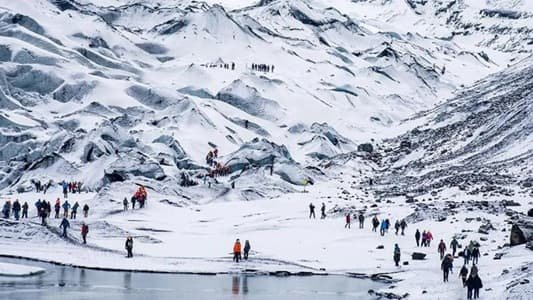
Winter transforms Dalhousie into a dramatically different and deeply atmospheric destination — snow-covered colonial buildings, frost on the deodar trees, and the Pir Panjal range gleaming white above the valley create a hill station aesthetic of genuine Himalayan winter character.
Weather During Winter
Temperatures range between minus 2°C and 15°C — genuinely cold with regular snowfall particularly in January. The Dalhousie-Khajjiar road may be temporarily blocked after heavy snowfall events. December sees the first significant snowfall, January is the deepest winter month, and February begins the gradual warming toward spring.
Why Visit Dalhousie in Winter?
- Snowfall — Dalhousie receives regular and sometimes heavy snowfall from December through February, transforming the colonial buildings, Khajjiar’s meadow, and the surrounding forest into a white-covered Himalayan landscape
- The St Francis and St John’s churches covered in snow are among the most evocative colonial architectural images in Himachal Pradesh
- Khajjiar’s meadow under snow — the “Switzerland” comparison becomes most literal in January’s deep snowfall
- Hotel rates are moderately priced — between summer peak and monsoon low
- The hill station is quieter and most authentically local in winter
Popular Winter Attractions
Dalhousie in Snow
The Mall Road, colonial bungalows, and church steeples covered in January snowfall create the quintessential Himalayan winter hill station image. Walks through snow-covered deodar forests in the early morning — when frost sparkles on every surface — are among Dalhousie’s most memorable experiences.
Khajjiar Under Snow
The large meadow covered in deep snow with the cedar forest white-tipped around the perimeter and the Pir Panjal range visible above — this is the closest comparison to the Swiss Alps available in India, most convincingly presented when January snow lies deep on the famous meadow.
Advantages of Winter Travel
- Snowfall creates the most dramatically beautiful winter landscape
- Colonial heritage architecture most romantically atmospheric under snow
- Quieter and most peaceful version of the town
- Moderate hotel rates between summer and monsoon extremes
Disadvantages
- Cold temperatures of minus 2°C and below at night require serious warm gear
- Road to Khajjiar may be temporarily blocked after heavy snowfall
- Some outdoor activities restricted in deep snow conditions
- Not suitable for elderly visitors or very young children without proper cold preparation
Best Time to Visit Dalhousie for Different Travellers
For Honeymooners
March and April for the most romantic spring atmosphere — rhododendron blooms, comfortable temperatures, and the quiet morning walks through flowering deodar forest. December to January for the snow experience with colonial fireplaces and the most intimate winter hill town atmosphere.
For Families
April to June is the definitive family season — comfortable temperatures for children, Khajjiar’s vast meadow for outdoor play, the cable car at Khajjiar, and the full range of outdoor activities operational.
For Budget Travellers
July to September for the lowest hotel rates — Dalhousie’s relatively mild monsoon makes it the most manageable rainy season hill station choice in Himachal for budget-conscious visitors.
For Snow Lovers
December to February — Dalhousie receives reliable snowfall with January providing the deepest and most consistent snow cover. The Khajjiar meadow under deep January snow is the destination’s most distinctive single visual experience.
For Photographers
October and November for the finest post-monsoon clarity — the Himalayan range most sharply visible, the forest most vividly green, and the colonial architecture most beautifully framed against clear mountain sky.
Best Time for Khajjiar Visit
Khajjiar is Dalhousie’s most celebrated single attraction — the “Switzerland of India” meadow 22 kilometres from the town.
Ideal Months
April to June for the most vivid green meadow experience. December to January for the most dramatic snow-covered version.
Khajjiar experiences include:
- Meadow walks across the 1.5-kilometre diameter bowl surrounded by cedar forest
- Zorbing on the gentle slopes surrounding the central lake
- Horse riding across the meadow
- Paragliding from the meadow’s elevated rim (April to June)
- Photography of the Pir Panjal range visible above the tree line
- The small Khajji Nag temple at the meadow’s centre dedicated to the serpent deity
Festivals and Events in Dalhousie
Minjar Fair
The ancient Minjar Fair — traditionally associated with the blessing of the millet and corn crops — is celebrated in Chamba town (56 kilometres from Dalhousie) every August with a colourful procession, folk music, and the immersion of silk tassels in the Ravi River. A cultural day trip from Dalhousie during the monsoon months.
Dalhousie Summer Festival
Held in May or June by Himachal Pradesh Tourism, this festival brings folk performances, cultural events, photography competitions, and adventure sports demonstrations to the hill station during its peak visitor season.
Travel Tips for Visiting Dalhousie
To make your Dalhousie visit most comfortable and rewarding, consider these practical guidelines:
- The Pathankot-Dalhousie road covers approximately 80 kilometres and takes 2.5 to 3 hours — the journey through the Ravi River valley is itself beautifully scenic and forms part of the Dalhousie experience.
- Book April to June weekend accommodations at least 2 to 3 weeks in advance — the hill station fills quickly during school holiday periods.
- Carry warm layers for all visits throughout the year — Dalhousie evenings are consistently cool and December to February nights require serious winter clothing.
- The Dalhousie-Khajjiar-Chamba circuit makes an ideal 2-day itinerary — overnight in Khajjiar or in Dalhousie with a day dedicated to each.
- Local jeep sharing is the most economical transport between Dalhousie town, Khajjiar, and the surrounding viewpoints.
- Check road conditions before visiting in December and January — heavy snowfall can temporarily close the Khajjiar road.
- The Bakrota Hills walk is best completed before 8 AM for the clearest mountain views and the most peaceful atmosphere before tourist activity begins.
Conclusion
The best time to visit Dalhousie is from March to June and October to November — the two comfortable weather windows that provide the most complete Dalhousie experience across its colonial heritage, mountain views, Khajjiar meadow, and forest trekking. April stands out as the finest individual month — spring rhododendron blooms, comfortable temperatures, the clearest pre-monsoon Himalayan views, and the vibrant green meadow at Khajjiar all converge simultaneously.
October and November deliver a quieter, equally beautiful version — post-monsoon freshness, the year’s finest mountain view clarity, and hotel rates below the summer peak making them the finest value travel window for experienced Himalayan hill station visitors.
Whether you come for Khajjiar’s Swiss meadow, the snow-covered colonial churches of January, the Dainkund Peak panorama, the Bakrota Hills morning walk, the Satdhara Falls, or simply the pleasure of sitting in a colonial-era deodar-wood café with a cup of Kangra tea while the Pir Panjal gleams white in the evening light, Dalhousie delivers a hill station experience of genuine character and genuine Himalayan beauty that its less well-known status makes all the more rewarding.
Frequently Asked Questions
Q1. What is the best month to visit Dalhousie?
A: April for the spring ideal — rhododendron blooms, perfect temperatures, clear mountain views, and Khajjiar at its most vivid green. October for the post-monsoon finest — clearest Himalayan views, intensely green forests, and hotel rates below summer peak.
Q2. Does Dalhousie get snow?
A: Yes — regular snowfall from December through February, with January typically delivering the deepest and most reliable snow. Khajjiar’s meadow under deep January snow is one of the finest winter landscapes in Himachal Pradesh.
Q3. Is Dalhousie worth visiting in monsoon?
A: Yes — Dalhousie is one of the more manageable Himachal destinations in monsoon due to its relative rain shadow position. Hotel rates are lowest, the landscape is most dramatically green, and the hill station is at its most peacefully authentic.
Q4. What is Khajjiar and why is it called the Switzerland of India?
A: Khajjiar is a 1.5-kilometre diameter emerald meadow surrounded by cedar forest at 1,951 metres, 22 kilometres from Dalhousie. Switzerland officially recognised the comparison in 1992 when the Swiss Ambassador placed a Swiss flag at Khajjiar and declared the resemblance officially noted.
Q5. How many days are enough for Dalhousie?
A: Two to three days comfortably covers Dalhousie town including Bakrota Hills and churches, a day at Khajjiar, and a half-day excursion to Satdhara Falls or Kalatop Wildlife Sanctuary. Extend to 4 days to include the Dainkund Peak trek and a day trip to Chamba town.