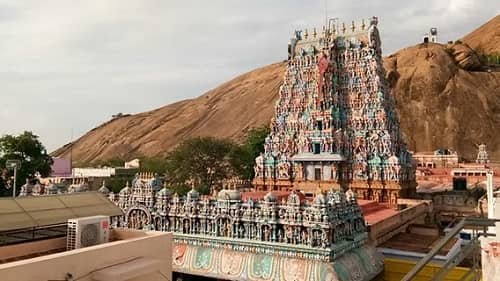
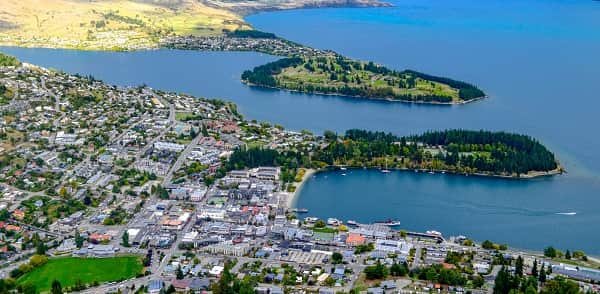
Kodaikanal is one of South India’s most beloved and most distinctive hill stations — the Princess of Hill Stations, as it is fondly called, perched at 2,133 metres in the Palani Hills of Tamil Nadu’s Dindigul district, where the star-shaped Kodaikanal Lake at the town’s centre is surrounded by eucalyptus groves and silver oak forests, the famous Coaker’s Walk promenade offers panoramic views across the Palani Hills valley to the distant plains, the needle-like Bryant Park displays over 325 varieties of roses and exotic plants, the dramatic Pillar Rocks rise 122 metres from the hillside, the Devil’s Kitchen gully cuts through ancient rock formations, and the Bear Shola, Silver Cascade, and Fairy Falls cascade through dense subtropical forest. Established by American missionaries and the British in 1845 as a health retreat, Kodaikanal has maintained a gentler, more contemplative character than its more commercially developed Nilgiri counterpart Ooty — most famously expressed in the annual Summer Festival with its boat races on the lake, and in the extremely rare Kurinji flower (Strobilanthes kunthianus) that blankets the surrounding hillsides in blue-purple once every twelve years. Whether you are planning a family summer holiday, a honeymoon retreat, a nature photography expedition, a budget monsoon escape, or a winter trekking adventure, choosing the best time to visit Kodaikanal shapes your weather, your landscape character, and the overall quality of your hill station experience.

Kodaikanal Travel Overview
| Factor | Details |
| Best Overall Time | March to June and October to February |
| Peak Tourist Season | April to June |
| Cheapest Time to Visit | July to September |
| Best for Summer Festival | May |
| Best for Sightseeing | March to June and October to February |
| Best for Honeymoon | October to February |
| Best for Families | March to June |
| Best for Photography | October to November |
| Best for Budget Travelers | July to September |
| Average Temperature | 8°C to 24°C (varies by season) |
Why Timing Matters When Visiting Kodaikanal
Kodaikanal’s elevation of 2,133 metres keeps it comfortably cool relative to the Tamil Nadu plains throughout the year — it never gets as hot as the lowland cities even in peak summer. However, the distinction between seasons is meaningful in terms of rainfall, mist, crowd levels, and the specific character of the hill station experience. The summer peak is the busiest and most family-oriented. Winter brings the most romantic and most intimate atmosphere. The monsoon delivers the most dramatic waterfall and forest scenery. Understanding which character best matches your travel purpose makes the timing decision straightforward.
Visiting Kodaikanal During Summer (March to June)
Summer is the most popular and most activated season in Kodaikanal — the period when the hill station fulfils its primary role as a cool escape from the South Indian plains’ intense heat, the Summer Festival brings cultural energy to the lake, and the entire town buzzes with the celebratory atmosphere of its most vibrant season.
Weather During Summer
Temperatures range between 8°C and 20°C in March and April — the most comfortable months — rising toward 14°C to 24°C in May and June as the pre-monsoon warming builds. Even at its warmest, Kodaikanal in May is dramatically cooler than Chennai, Madurai, or Coimbatore’s simultaneous 38 to 42°C.
Why Visit Kodaikanal in Summer?
- The annual Summer Festival in May — Kodaikanal’s most celebrated cultural event — features boat races on Kodaikanal Lake, flower shows at Bryant Park, fruit and vegetable exhibitions, cultural performances, and the town-wide festive energy that is the hill station at its most celebratory
- Bryant Park’s 325 varieties of roses are in peak bloom from March to May — the formal botanical garden surrounding the lake is at its most colourful and most fragrant
- Coaker’s Walk, the 1-kilometre paved promenade along the cliff edge with panoramic valley views, is most clearly rewarding on the cloudless April and May mornings before pre-monsoon haze builds
- Pillar Rocks, Bear Shola Falls, and all viewpoints are at their most clearly accessible in the dry summer conditions
- Kodaikanal Lake boating is most popular and most lively during the summer festival season
- The surrounding Palani Hills forests are visited by school excursion groups, creating a particularly lively and social hill station atmosphere
Summer is the most fully activated and most festive version of Kodaikanal.
Best Places to Visit
Kodaikanal Lake
The star-shaped artificial lake at the town’s heart — created in 1863 by British engineer Sir Vere Henry Levinge — is most beautifully and most livably explored during summer when paddle boats, row boats, and horse-riding around the 5-kilometre perimeter provide the most active and most populated version of the lake experience.
Coaker’s Walk
The 1-kilometre cliff-edge promenade built in 1872 by Lieutenant Coaker offers the finest views across the Palani Hills valley to the Vaigai River and the Tamil Nadu plains 2,000 metres below. Clear summer mornings provide the most dramatic and most far-reaching views.
Bryant Park
The formal botanical garden adjacent to the lake — established in 1908 and home to 325 rose varieties, orchid displays, and rare fern collections — is most colourful and most photographically rewarding during the March to May blooming season when the rose garden reaches peak cultivation.
Pillar Rocks
The three giant rock pillars rising 122 metres from the hillside 8 kilometres from the town centre — most dramatically photographed from the viewing platform in the clear summer morning light.
Advantages of Summer Travel
- Summer Festival in May creates the most vibrant and most culturally rich single period
- Clearest views from Coaker’s Walk and all hilltop viewpoints
- All activities including boating, cycling, and trekking fully operational
- Bryant Park rose garden at peak bloom
- The town’s most lively and most celebratory atmosphere
Disadvantages
- April to June brings the largest tourist crowds of the year
- Hotel rates are at their highest during the summer peak
- Advance booking essential for May Summer Festival week
- June sees pre-monsoon clouds building and early showers beginning
October and November — The Finest Post-Monsoon Months
October and November represent the most underrated and most rewarding travel window for experienced Kodaikanal visitors — the monsoon has retreated leaving the forests at maximum vivid green, the waterfalls are still flowing from monsoon reserves, skies are clearing toward the winter clarity, and hotel rates are below the summer peak.
What Makes October and November Special?
- Post-monsoon forest is at its most intensely green and most lushly beautiful
- Silver Cascade, Bear Shola Falls, and Fairy Falls are still flowing strongly from monsoon reserves
- Temperatures descend toward the cool winter range — most comfortable for extended walking
- Hotel rates are below the summer peak with good accommodation availability
- The surrounding Palani Hills are at their most vividly green against clearing blue skies
- Fewer tourists than the April-June peak — Coaker’s Walk and Pillar Rocks accessible without crowds
Visiting Kodaikanal During Winter (October to February)
Winter transforms Kodaikanal into its most intimate and most atmospherically romantic version — misty mornings, cool evenings, the pine and eucalyptus forests wrapped in cloud, and the star-shaped lake reflecting grey winter sky create a hill station character distinctly different from the sunny summer festival atmosphere.
Weather During Winter
Temperatures range between 8°C and 17°C — pleasantly cool with December and January the coldest months. Misty conditions are frequent in early morning and evening — the famous Kodaikanal mist that rolls through the town from the surrounding valley creates the atmospheric quality that photographers and honeymooners specifically seek.
Why Visit Kodaikanal in Winter?
- The characteristic Kodaikanal mist — rolling in from the valley below to obscure the forest edge and lake surface — is most dramatically present in December and January mornings
- Trekking conditions are ideal — the cool, mist-free mornings are most pleasant for the Pillar Rocks trek, the Bear Shola nature walk, and the Kukkal Caves exploration
- Stargazing from Kodaikanal’s high elevation on clear winter nights — with the Kodaikanal Solar Observatory above the town as context — is exceptional
- Camping in the Palani Hills forests is most atmospheric in winter with campfire evenings in the cool, quiet forest
- Fewer tourists than summer peak — the lake walk, Bryant Park, and viewpoints are most peacefully experienced
- Hotel rates drop meaningfully from summer peak — moderate and manageable throughout winter
Popular Winter Attractions
Kodaikanal Solar Observatory
One of India’s oldest and finest solar observatories, established in 1899 at 2,343 metres — winter mornings with clear skies provide the most atmospheric approach through the eucalyptus forest to this heritage scientific institution.
Green Valley View (Suicide Point)
The most dramatic single viewpoint near Kodaikanal — a sheer drop of 1,200 metres to the valley floor below — is most clearly visible on crisp winter mornings when the valley haze has not yet built up.
Kukkal Caves
Prehistoric caves 18 kilometres from the town containing Neolithic artifacts and paintings, reached through a forest trail most comfortably navigated in winter’s cool, clear conditions.
Advantages of Winter Travel
- Most romantic and most atmospheric hill station character
- Kodaikanal mist at its most dramatically beautiful
- Ideal trekking and camping conditions
- Fewer tourists and more peaceful attractions
- Moderate hotel rates below summer peak
Disadvantages
- December to January mist and cloud can occasionally reduce viewpoint visibility
- Some outdoor activities are less comfortable in cold, misty conditions
- The festive Summer Festival energy and Bryant Park bloom are not present
Visiting Kodaikanal During Monsoon (July to September)
Kodaikanal’s monsoon is one of South India’s most romantically atmospheric — the Palani Hills catch both the southwest and northeast monsoons, keeping the hill station green and misty throughout the wet months. Unlike coastal Tamil Nadu’s monsoon which can be intense and disruptive, Kodaikanal’s mountain rainfall is generally more moderate.
Weather During Monsoon
Temperatures range between 13°C to 20°C — pleasantly cool with regular rainfall particularly in July and August. The surrounding forest is at maximum lush green intensity and the waterfalls run at their most powerful.
Why Visit Kodaikanal in Monsoon?
- Silver Cascade Falls and Bear Shola Falls are at their most powerful and most dramatically beautiful — the falls are genuinely impressive only in monsoon when monsoon rainfall fills them to maximum volume
- The Palani Hills forest is extraordinarily lush and the misty atmosphere that characterises Kodaikanal is most continuously and most dramatically present
- Hotel rates are lowest of the year — significant savings on all accommodation categories
- Fewer tourists create the most peaceful and most personal experience of the lake, the viewpoints, and the forest walks
- The monsoon Kodaikanal mist, rain-soaked eucalyptus forest, and grey-green lake surface create photography conditions of unusual atmospheric beauty
Popular Monsoon Attractions
Silver Cascade Falls
Located 8 kilometres from Kodaikanal on the road descending toward Madurai, Silver Cascade drops approximately 55 metres from the Palani Hills plateau edge in a powerful cascade most dramatic in July and August when full monsoon rainfall fills the stream feeding it.
Bear Shola Falls
A small but beautifully forested waterfall 2 kilometres from the town centre where legend says bears once came to drink — most powerfully flowing during the monsoon months when the surrounding shola forest is at its most intensely green.
Advantages of Monsoon Travel
- Lowest hotel rates of the year
- Waterfalls at maximum power and visual drama
- Most lush and green forest landscape
- Peaceful, crowd-free version of the hill station
Disadvantages
- Continuous mist and rain can reduce viewpoint visibility significantly
- Some outdoor activities including cycling and trekking are less comfortable in wet conditions
- The lake and Coaker’s Walk are less rewarding under persistent cloud cover
Best Time to Visit Kodaikanal for Different Travellers
For Honeymooners
October to February — the misty mornings, intimate cool evenings, campfire experiences, and the romantic atmosphere of a hill station in its quietest, most atmospheric season create the ideal honeymoon environment. December and January’s morning mist rolling across the lake surface is particularly evocative.
For Families
March to June is the definitive family season — the Summer Festival boat races, Bryant Park in bloom, all outdoor activities operational, and the festive hill station atmosphere that creates genuinely memorable family holiday experiences.
For Budget Travellers
July to September for the lowest rates — the waterfall drama and monsoon green landscape compensate significantly for the reduced outdoor activity options.
For Photographers
October and November for the finest combined conditions — post-monsoon green forest at maximum intensity, clearing skies, waterfalls still flowing, and warm autumn light on the lake and surrounding hills.
For Adventure Seekers
March to June and October to February for trekking to Pillar Rocks, Kukkal Caves, and the Palani Hills forest trails — all most comfortably and most safely navigated in dry conditions.
Best Time for Bryant Park and Summer Festival
Kodaikanal’s Summer Festival is the year’s most distinctive single event.
Ideal Month: May
The Summer Festival — typically held in the third week of May — brings:
- Boat races on Kodaikanal Lake with traditional and competitive categories
- Bryant Park flower and vegetable show with prize-winning exhibits
- Cultural performances including folk dance and classical Tamil music
- Fruit competitions and local food exhibitions
- Photography competitions with Palani Hills landscapes as subjects
Book Summer Festival week accommodations at least 3 to 4 weeks in advance — the hill station fills completely during this most popular single week of the year.
Festivals and Events in Kodaikanal
Summer Festival
Held in May, the most celebrated annual event in Kodaikanal — boat races on the star-shaped lake, flower shows, cultural programmes, and the most festive week in the hill station’s calendar.
Pongal
The Tamil harvest festival in January brings traditional celebrations to the local community with kolam decorations, sugarcane cooking, and the warmly communal atmosphere of Tamil Nadu’s most important cultural festival.
Tea and Tourism Festival
Held in January with tea-tasting events, cultural exhibitions, and tourism promotion activities that celebrate Kodaikanal’s heritage within the broader Palani Hills and Tamil Nadu highland culture.
Travel Tips for Visiting Kodaikanal
To make your Kodaikanal visit most enjoyable, consider these practical guidelines:
- Book Summer Festival week (typically third week of May) accommodations at least 3 to 4 weeks in advance — the hill station fills completely.
- Rent a bicycle for the 5-kilometre lake circuit — cycling around Kodaikanal Lake in the early morning is the single most pleasurable and most quintessentially Kodaikanal experience available at any time of year.
- Carry warm layers for all visits throughout the year — Kodaikanal mornings and evenings are consistently cool and December to January nights require woolens.
- The road from Madurai (120 kilometres, approximately 3 hours) and from Coimbatore (175 kilometres, approximately 4 hours) are both scenic mountain ascents through the Western Ghats.
- Visit Coaker’s Walk before 9 AM for the clearest valley views before morning haze builds regardless of season.
- The Kurinji Andavar Temple dedicated to Lord Murugan associated with the Kurinji flower is worth visiting regardless of whether the twelve-year bloom coincides with your visit.
- Carry mosquito repellent for forest walks — particularly in monsoon and post-monsoon months.
Conclusion
The best time to visit Kodaikanal is from March to June and October to February — the two comfortable windows that together cover the Summer Festival’s celebratory energy, Bryant Park’s rose blooms, the post-monsoon forest’s maximum green beauty, and the romantic winter mist that defines the hill station’s most intimate character.
May is the most celebratory month with the Summer Festival creating the most vibrant single week in the Kodaikanal calendar. October and November are the finest months for those who value landscape beauty, comfortable temperatures, moderate crowds, and the post-monsoon freshness that makes every view from Coaker’s Walk most dramatic.
Whether you come for the boat races on the star-shaped lake, the rose garden morning in Bryant Park, the mist rolling across the lake at dawn, the Silver Cascade’s monsoon power, the Pillar Rocks at sunset, or simply the pleasure of cycling around a high plateau lake in the Palani Hills with the Tamil Nadu plains 2,000 metres below, Kodaikanal rewards every kind of visitor with a hill station experience of genuine gentleness and genuine beauty.
Frequently Asked Questions
Q1. What is the best month to visit Kodaikanal?
A: May for the Summer Festival experience — boat races, Bryant Park flower show, and the town’s most festive atmosphere. October and November for the finest landscape photography conditions — post-monsoon green, clear skies, and fewer tourists.
Q2. Does Kodaikanal get cold in winter?
A: Yes — December and January temperatures drop to 8°C with cool misty mornings and evenings around 10°C to 12°C. Warm woolens and a jacket are essential for winter visits.
Q3. Is Kodaikanal worth visiting in monsoon?
A: Yes for budget travellers and those seeking Silver Cascade at its most powerful — hotel rates are lowest, the forest is most dramatically green, and the atmospheric misty character of Kodaikanal is most continuously present.
Q4. What is the Kurinji flower?
A: The Strobilanthes kunthianus — a flowering shrub endemic to South India’s Shola grasslands — blooms once every twelve years and covers the Palani Hills in a blue-purple carpet visible from the Kodaikanal viewpoints.
Q5. How many days are enough for Kodaikanal?
A: Two to three days comfortably covers Kodaikanal Lake, Coaker’s Walk, Bryant Park, Pillar Rocks, Silver Cascade, Bear Shola Falls, and the Solar Observatory. Extend to 4 days for forest treks and Kukkal Caves.