Marinating meat with acidic ingredients like lemon juice, vinegar, yogurt, or tomato is a technique used in kitchens across India, from tandoori chicken to Goan pork vindaloo. But there’s a common mistake many home cooks make — leaving meat in an acidic marinade for too long, thinking longer always means more tender. In reality, timing is everything, and getting it wrong can actually make your meat tougher or mushy instead of tender. Here’s a clear, practical breakdown of how long to marinate different meats with acidic marinades for the best results.
How Acidic Marinades Actually Work
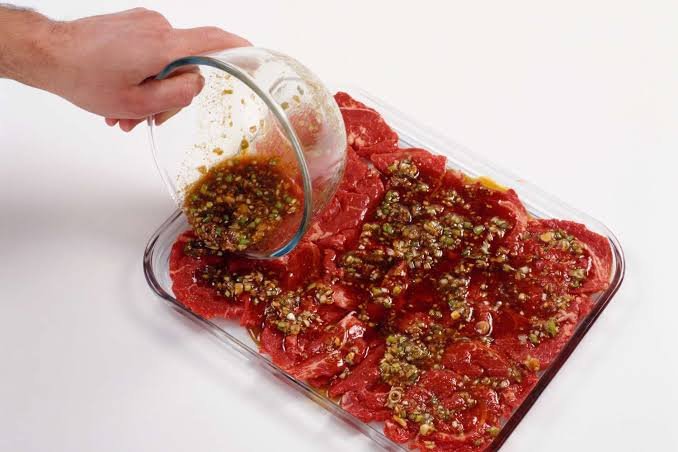
Acids like citric acid, vinegar, and lactic acid (found in yogurt) work by breaking down proteins on the surface of the meat. This process, called denaturation, loosens the muscle fibers and can make the outer layer of meat more tender. However, this same process can turn destructive if left too long — the proteins become over-broken, causing the meat to lose moisture and develop a chalky, mushy texture instead of a tender one.
- Acidic marinades primarily tenderize the surface, not the deep interior of thick cuts
- Overexposure causes protein denaturation to reverse into toughening, especially in delicate meats like fish and chicken breast
- Yogurt-based marinades (common in Indian tandoori and kebab recipes) are gentler than vinegar or citrus, allowing longer marination times
Recommended Marination Times by Meat Type
Different meats respond very differently to acidic marinades depending on their density, fat content, and muscle structure.
- Chicken (boneless breast or thigh): 30 minutes to 2 hours; beyond 4 hours, texture can turn stringy and dry
- Chicken (bone-in, tandoori style): 4 to 8 hours, or overnight for deeper flavour penetration, since yogurt marinades are milder
- Fish and seafood: 15 to 30 minutes maximum; acid begins “cooking” fish almost immediately (similar to ceviche), so extended marination essentially pre-cooks the flesh
- Mutton or goat meat: 2 to 6 hours works well; tougher cuts can handle up to 12 hours without turning mushy
- Beef (tougher cuts like chuck or brisket): 4 to 24 hours, since dense muscle fibers need more time for the acid to penetrate
- Pork: 2 to 8 hours depending on the cut, with tenderloin needing far less time than shoulder cuts
Signs You’ve Over-Marinated Your Meat
Recognising over-marination early can save a dish from turning out unpleasant.
- The surface of the meat looks pale, dry, or slightly “cooked” before it even touches the pan
- A mushy or mealy texture when you press the meat with your finger
- The meat falls apart too easily while handling, even before cooking
- A sour, overly sharp smell distinct from the marinade’s usual aroma
If you notice these signs, it’s best to rinse the meat lightly, pat it dry, and cook it immediately rather than letting it sit any longer.
Factors That Change Ideal Marination Time
Marination isn’t one-size-fits-all — several variables affect how quickly acid penetrates and how long is actually safe.
- Acid strength: Vinegar and citrus juice work faster and more aggressively than yogurt or buttermilk
- Meat thickness: Thicker cuts can tolerate longer marination since the acid takes longer to reach the centre
- Cut of meat: Tougher, well-exercised cuts (like shank or shoulder) benefit from longer marination compared to naturally tender cuts (like tenderloin or breast)
- Refrigeration: Always marinate in the refrigerator, never at room temperature, since Indian kitchen temperatures can accelerate both tenderizing and bacterial growth simultaneously
- Salt content: Salted marinades draw out moisture faster, which can compound the drying effect of acid if left too long
Better Alternatives for Extended Marination
If a recipe calls for marinating overnight or longer, it’s often better to reduce the acid content and rely on other tenderizing agents instead.
- Papaya (raw papaya paste) contains papain, an enzyme that tenderizes meat gently without the harsh effects of acid, and is commonly used in Indian meat preparations for exactly this reason
- Pineapple juice contains bromelain, another enzyme-based tenderizer, though it should still be used in moderation since it can become bitter with prolonged exposure
- Buttermilk is milder than yogurt and works well for extended marination of chicken without drying it out
- A small amount of baking soda mixed into a marinade can tenderize meat through a different chemical process entirely, allowing for longer marination windows without the acid-related risks
Quick Reference Table
| Meat Type | Ideal Marination Time | Maximum Before Risk |
| Fish/Seafood | 15–30 minutes | 30 minutes |
| Chicken (boneless) | 30 min–2 hours | 4 hours |
| Chicken (bone-in, yogurt-based) | 4–8 hours | Overnight |
| Pork | 2–8 hours | 12 hours |
| Mutton/Goat | 2–6 hours | 12 hours |
| Beef (tough cuts) | 4–24 hours | 24 hours |
Frequently Asked Questions
Q1. Can I marinate meat for too short a time and still get a tenderizing effect?
Even 15 to 20 minutes of acidic marination can improve flavour absorption, but true tenderizing effects on the surface typically need at least 30 minutes to become noticeable. For very quick meals, focus on thin cuts or pounding the meat beforehand, since acid alone won’t have enough time to work.
Q2. Is it safe to marinate meat on the kitchen counter to save time, since Indian recipes often call for room-temperature marination?
No, marinating at room temperature for more than 30–40 minutes creates conditions where bacteria can multiply rapidly, especially in India’s warmer climate. Always marinate in the refrigerator, and if a recipe specifically calls for a short room-temperature rest, keep it under 30 minutes and in a cool part of the kitchen.
Q3. Why does my chicken turn rubbery even though I marinated it for the recommended time?
This is often caused by combining acid with high heat cooking methods like direct grilling on high flame, which cooks the already partially “denatured” surface too aggressively. Try lowering the cooking temperature slightly or pat the chicken dry before cooking to reduce excess surface moisture that can cause toughening.
Q4. Should I discard the marinade after removing the meat, or can I reuse it as a sauce?
Raw meat marinade should never be reused directly as a sauce or dip due to contamination risk from raw meat juices. If you want to use it as a sauce, boil the leftover marinade for at least 5 minutes to kill any bacteria before serving it alongside the cooked meat.