From the moment you swallow your first bite of dal-chawal to the time your body has fully processed it, a surprisingly complex journey unfolds inside you — one that most people never think about until something feels off. Understanding how long food actually takes to digest can help explain everything from post-meal bloating to why certain foods leave you feeling heavier for longer. Here’s a clear breakdown of the digestion timeline and what influences it.
The Complete Digestion Journey
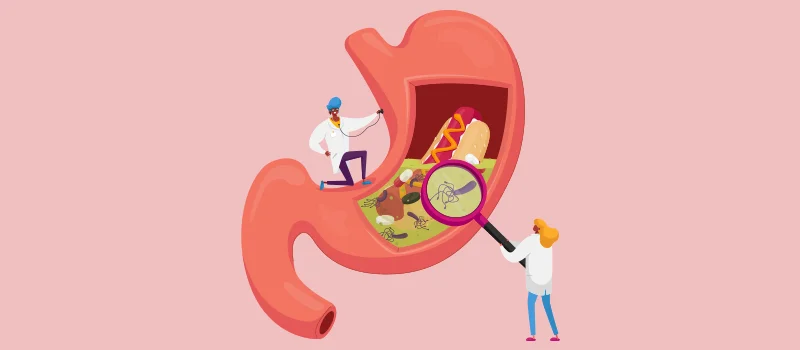
Digestion isn’t a single event but a multi-stage process that happens across different organs, each handling a specific part of breaking down food into usable nutrients.
- Digestion begins in the mouth, where chewing and saliva start breaking down carbohydrates almost immediately
- Food then moves to the stomach, where acid and enzymes break it down further over roughly 2 to 4 hours, depending on composition
- From the stomach, partially digested food enters the small intestine, where most nutrient absorption happens over 3 to 5 hours
- The remaining waste then moves into the large intestine, where water is absorbed and stool forms over a much longer period, often 10 hours to several days
- The entire journey from eating to elimination typically takes anywhere from 24 to 72 hours, varying significantly between individuals
How Different Food Types Affect Digestion Speed
Not all foods move through your system at the same pace, and understanding these differences can help explain why certain meals feel heavier than others.
- Simple carbohydrates like white rice, fruit, and refined flour digest relatively quickly, often within 2 to 3 hours
- Complex carbohydrates and fibre-rich foods, including whole grains and vegetables, take longer, generally 3 to 4 hours, since fibre slows the digestive process
- Proteins such as dal, paneer, eggs, and meat require more digestive effort and typically take 3 to 4 hours in the stomach alone
- Fats, including ghee, oil, and fried items, are the slowest to digest, often taking 4 to 6 hours, since fat breakdown requires bile and additional enzymatic processing
- Combination meals, like a typical Indian thali with rice, dal, sabzi, and roti, take longer overall since the body processes multiple food types simultaneously
Why Digestion Speed Varies Between People
Digestion timelines aren’t fixed numbers that apply equally to everyone — several personal factors influence how quickly your body processes food.
- Age plays a role, with digestion generally slowing down somewhat as people get older
- Gut health and the balance of digestive bacteria significantly affect how efficiently food breaks down and moves through the system
- Physical activity levels influence digestive speed, with regular movement generally supporting more efficient digestion
- Stress and anxiety can slow digestion considerably, since the body prioritises other functions during periods of high stress
- Hydration levels directly impact how smoothly food moves through the intestines, particularly during the later stages of digestion
Signs Your Digestion Is Slower Than Normal
Recognising when digestion is taking longer than it should can help identify simple lifestyle fixes or signal when medical attention might be needed.
- Persistent bloating or a feeling of fullness lasting several hours after eating
- Irregular bowel movements, including constipation lasting more than 2 to 3 days
- Frequent acid reflux or heartburn, especially after meals that shouldn’t typically cause discomfort
- Unusual fatigue or sluggishness specifically tied to meal times rather than general tiredness
- Noticeable undigested food particles in stool, which can indicate the digestive process isn’t completing effectively
How Indian Eating Habits Influence Digestion Time
Certain common practices in Indian food culture can either support or hinder efficient digestion, depending on how they’re approached.
- Ghee, used generously in many Indian dishes, slows digestion somewhat but in moderate amounts can actually support gut lining health
- Spices like cumin, ginger, and ajwain, commonly used in Indian cooking, have natural digestive-supporting properties that can ease the process
- Large, heavy meals eaten in one sitting, common during festivals or family gatherings, take significantly longer to digest than smaller, balanced portions
- Drinking excessive water immediately during or right after meals can dilute digestive enzymes and slow the process for some people
- Lying down immediately after a heavy meal, a common habit especially after lunch, can slow digestion and increase the likelihood of discomfort
Practical Tips to Support Efficient Digestion
A few consistent habits can meaningfully improve how efficiently your body processes food, regardless of what you’re eating.
- Chew food thoroughly and eat slowly, since mechanical breakdown in the mouth reduces the workload on your stomach
- Stay physically active after meals with light activity like walking, rather than sitting or lying down immediately
- Space meals appropriately, allowing at least 3 to 4 hours between substantial meals for proper digestion
- Include natural digestive aids like buttermilk, fennel seeds, or ginger, which are traditional Indian remedies with genuine digestive benefits
- Manage stress levels where possible, since chronic stress consistently disrupts normal digestive function over time
Frequently Asked Questions
Q1. I feel hungry again just 2 hours after a full meal — does this mean my digestion is unusually fast?
Feeling hungry quickly after eating is more often linked to meal composition, particularly low protein or fibre content, rather than unusually fast digestion itself. Try adding more protein and fibre to your meals, such as dal, curd, or vegetables, to naturally extend the feeling of fullness between meals.
Q2. Does drinking warm water after meals actually help speed up digestion, as many people in India believe?
Warm water can provide mild comfort and may support digestion slightly better than very cold water, which can temporarily slow digestive enzyme activity for some people. However, the effect is relatively minor, and staying consistently hydrated throughout the day matters more for overall digestive health than the specific temperature of water after a single meal.
Q3. I often see undigested vegetables like corn or peas in my stool — is this something to worry about?
Seeing small bits of fibrous foods like corn or peas in stool is usually normal, since certain plant cell walls are naturally resistant to complete digestion and don’t necessarily indicate a digestive problem. If this happens consistently with a wide variety of foods, along with other symptoms like bloating or fatigue, it may be worth mentioning to a doctor to rule out absorption issues.
Q4. How long after eating should I wait before taking a nap, since I often feel sleepy after lunch?
Waiting at least 1 to 2 hours after a meal before lying down for a nap allows initial digestion to progress and reduces the risk of discomfort or acid reflux. If you’re very sleepy immediately after eating, a short seated rest or light walk is a better option than lying flat right away.