Scroll through any Indian fitness forum or WhatsApp health group, and you’ll find endless debates about meal timing — some swear by eating every two hours to “boost metabolism,” while others push long gaps between meals for better fat burning. With so much conflicting advice, it’s easy to lose sight of what actually matters for weight loss. The truth lies somewhere in between, and understanding proper meal spacing can make your weight loss efforts noticeably more effective and sustainable.
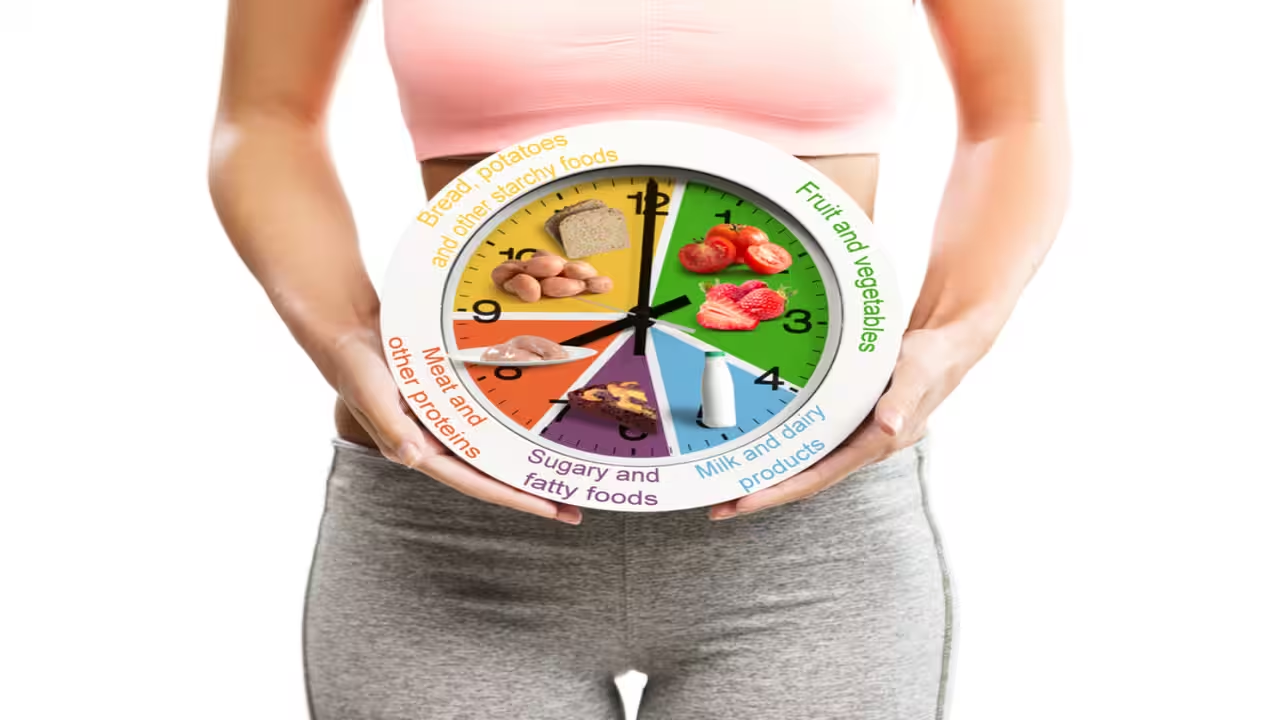
Why Meal Spacing Matters for Weight Loss
The gap between meals affects several processes in your body that directly influence fat loss, hunger control, and energy levels throughout the day.
- Proper spacing allows blood sugar levels to stabilise between meals, reducing unnecessary insulin spikes that can promote fat storage
- Eating too frequently, without genuine hunger, often leads to excess calorie intake even with healthy food choices
- Long, unstructured gaps between meals can trigger overeating later due to intense hunger, undermining portion control
- Consistent spacing helps regulate hunger hormones like ghrelin and leptin, making cravings more manageable over time
The Ideal Gap Between Meals
While individual needs vary, most nutrition experts agree on a general range that works well for sustainable weight loss without causing excessive hunger or sluggishness.
- Between main meals: 4 to 5 hours allows for complete digestion and a natural return of hunger
- Between a meal and a snack:5 to 3 hours is generally sufficient, especially for smaller portions
- Minimum gap for proper digestion: At least 3 hours, even for smaller meals, to avoid overlapping digestive processes
- Maximum comfortable gap: Avoid going beyond 5 to 6 hours during the day, since this often leads to overeating at the next meal
Structuring Your Day for Better Spacing
How you distribute meals across your waking hours matters just as much as the size of each individual meal.
- A typical structure might include breakfast at 8 AM, lunch at 1 PM, a small evening snack at 4:30 PM, and dinner by 7:30-8 PM
- Spacing meals evenly throughout the day, rather than clustering them close together, helps maintain steady energy and reduces late-day binge eating
- Those with early wake times or later work schedules should adjust the entire spacing pattern around their actual daily rhythm rather than forcing a fixed clock schedule
- Avoid skipping directly from a very early breakfast to a very late dinner without any planned meal in between, since this often results in poor food choices born from excessive hunger
Why Constant Snacking Can Backfire
The “eat every two hours to boost metabolism” advice, popular in some fitness circles, doesn’t hold up well for most people trying to lose weight.
- Frequent, small meals don’t meaningfully increase metabolic rate compared to well-spaced larger meals, contrary to popular belief
- Constant grazing throughout the day makes it harder to gauge genuine hunger versus habitual or emotional eating
- Digestive systems benefit from proper rest periods between meals, allowing complete processing before the next intake begins
- People who snack too frequently often unconsciously consume more total calories than they realise, since small bites add up quickly
Adjusting Meal Spacing Based on Activity Levels
Physical activity and exercise timing should influence how you space your meals throughout the day, especially for those training regularly.
- Those exercising in the morning may benefit from a slightly earlier or lighter breakfast, followed by a more substantial post-workout meal
- Evening exercisers should plan their pre-workout meal with enough gap (around 2 to 3 hours) to avoid discomfort during training
- Physically demanding jobs may require slightly closer meal spacing to maintain steady energy compared to sedentary desk jobs
- Rest days can often accommodate slightly longer gaps between meals compared to intense training days, since energy demands are naturally lower
Common Mistakes That Disrupt Healthy Spacing
Even with good intentions, certain habits can throw off ideal meal spacing without people realising it.
- Grazing on snacks throughout the day without any structured gap, making it difficult to track actual hunger cues
- Skipping meals entirely to “save calories,” which often backfires through intense hunger and overeating later
- Irregular meal timing that shifts drastically day to day, confusing the body’s natural hunger rhythm
- Drinking calorie-containing beverages like sweetened tea or coffee between meals, which can interfere with genuine hunger signals without providing real nourishment
Frequently Asked Questions
Q1. I get extremely hungry within just 2 hours of eating, even after a full meal — does this mean something is wrong?
This is often linked to meals lacking enough protein, fibre, or healthy fats, which are key to keeping you full for longer between meals. Try adjusting your meal composition, such as adding dal, curd, or nuts alongside your usual roti-sabzi combination, before assuming there’s a deeper underlying issue.
Q2. Is it better to eat 3 large meals or 5-6 small meals for weight loss specifically?
Both approaches can work equally well for weight loss as long as total daily calorie intake and food quality remain consistent, since meal frequency itself has minimal direct impact on fat loss. Choose whichever pattern feels more sustainable and easier to stick to long-term, since consistency matters more than the specific number of meals.
Q3. My work schedule is unpredictable, and I sometimes go 6-7 hours without eating — how much does this actually hurt weight loss progress?
Occasional longer gaps aren’t harmful on their own, but consistently doing this often leads to overeating at the next meal due to excessive hunger, which can offset any calorie deficit built up during the gap. If irregular hours are unavoidable, keeping a small, healthy snack like nuts or fruit on hand can help bridge unexpected long gaps without derailing your eating pattern.
Q4. Does drinking tea or coffee between meals count as “breaking” the spacing, or is it fine to have as often as I want?
Black tea or coffee without sugar generally doesn’t interfere with meal spacing since it contains negligible calories, but versions with milk and sugar do count as a mini-meal and can blunt genuine hunger signals if consumed too frequently. Limiting yourself to 2-3 cups spread through the day, ideally without excess sugar, works well alongside a structured meal spacing routine.