Raw beef patties are a freezer staple in many Indian kitchens today, especially with the growing popularity of burgers, kebabs, and quick weeknight dinners. But how long can you actually freeze raw beef patties before they lose quality or become unsafe to eat? Understanding proper freezing timelines helps you avoid food wastage, protects your family’s health, and ensures every patty tastes as good as the day you made it. Here’s a complete, practical guide.
The Short Answer
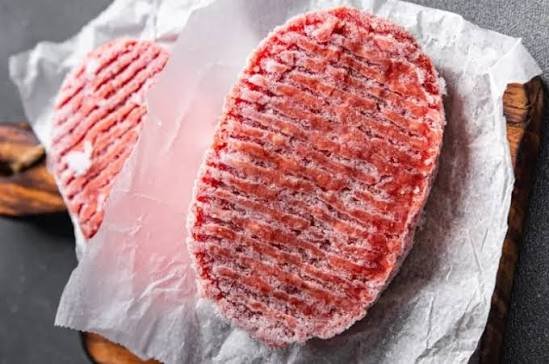
Raw beef patties can be safely stored in the freezer for 3 to 4 months without significant loss in taste or texture, provided they are stored at a constant temperature of -18°C (0°F) or below. Technically, frozen food remains safe to eat indefinitely as long as the freezer maintains this temperature consistently. However, quality — flavour, juiciness, and texture — starts declining after the 4-month mark, which is why most food safety experts recommend using them within this window.
Why Freezing Time Matters
Freezing doesn’t kill bacteria; it simply puts them into a dormant state. This means raw beef patties are safe indefinitely from a bacterial growth standpoint, but freezer burn, ice crystal formation, and oxidation can seriously affect quality over time.
- Freezer burn develops when air reaches the meat’s surface, drying it out and creating a greyish-brown discoloration
- Fat in beef can turn rancid over extended storage, altering taste even if the patty is technically safe
- Repeated temperature fluctuations (common in Indian households due to frequent power cuts) speed up quality loss
- Ground beef, because of its larger surface area, is more prone to freezer burn than whole cuts
How to Properly Freeze Raw Beef Patties
Correct packaging is the single biggest factor determining how long your patties stay fresh.
- Wrap each patty individually in cling film or wax paper before placing them in a freezer bag
- Squeeze out as much air as possible or use a vacuum sealer if available
- Label each pack with the date of freezing so you can track storage time easily
- Stack patties with parchment paper between layers to prevent them from sticking together
- Store patties in the coldest part of the freezer, away from the door, where temperature stays most stable
Signs Your Frozen Beef Patties Have Gone Bad
Even within the recommended freezing window, it’s important to check for spoilage signs before cooking.
- A strong sour or unpleasant odour upon thawing
- Grey or brown patches covering large portions (mild surface freezer burn on edges is usually still safe to trim and cook)
- A slimy or sticky texture after thawing
- Visible ice crystals mixed with excessive frost, indicating temperature fluctuations during storage
If you notice any of these signs, it’s safer to discard the patty rather than risk foodborne illness.
Thawing Beef Patties Safely
How you thaw frozen patties matters just as much as how you freeze them.
- The refrigerator method is safest — transfer patties from freezer to fridge 24 hours before cooking
- Cold water thawing works faster: submerge sealed patties in cold water, changing it every 30 minutes
- Avoid thawing at room temperature on the kitchen counter, as this allows bacteria to multiply rapidly in the “danger zone” between 4°C and 60°C
- Patties can also be cooked directly from frozen, though cooking time will need to increase by roughly 50%
Homemade vs Store-Bought Patties
Store-bought frozen beef patties, especially commercially processed ones, often contain preservatives that can extend shelf life slightly compared to homemade versions. Always check the manufacturer’s “best before” date printed on the packaging rather than relying solely on general freezing guidelines, since processing methods vary between brands.
Homemade patties, being free of preservatives, are best consumed within the 3-month mark for optimal taste, even though they remain technically safe for longer.
Quick Reference Table
| Storage Detail | Recommendation |
| Ideal freezer temperature | -18°C (0°F) or below |
| Best quality window | 3 to 4 months |
| Maximum safe storage (quality declines) | Up to 12 months |
| Safe thawing methods | Refrigerator or cold water |
| Unsafe thawing method | Room temperature counter |
| Cooking from frozen | Safe, increase cooking time by ~50% |
Frequently Asked Questions
Q1. Can I refreeze beef patties after thawing them?
Refreezing is only safe if the patties were thawed in the refrigerator and haven’t crossed more than 2 days at that temperature. Once cooked, however, you can safely refreeze the leftovers. Never refreeze patties that were thawed at room temperature, as bacterial growth risk is too high by that point.
Q2. Why do my frozen patties taste different after a few months even though they’re within the safe limit?
This usually happens due to oxidation and minor freezer burn, even when patties are technically safe to eat. Vacuum sealing or double-wrapping significantly slows this process and helps preserve the original flavour for longer.
Q3. Is it fine to freeze beef patties that already have spices or marinade mixed in?
Yes, marinated or spiced patties freeze well and often taste better after freezing since the flavours have more time to settle into the meat. Just ensure the marinade doesn’t contain raw dairy, as it can separate and affect texture upon thawing.
Q4. Does the type of beef mince affect how long patties can be frozen?
Leaner mince tends to freeze slightly better than fattier cuts, since fat is more prone to oxidation and rancidity over time. If you’re using a fattier mince, try to use those patties within 2 to 3 months for the best taste rather than pushing to the full 4-month window.