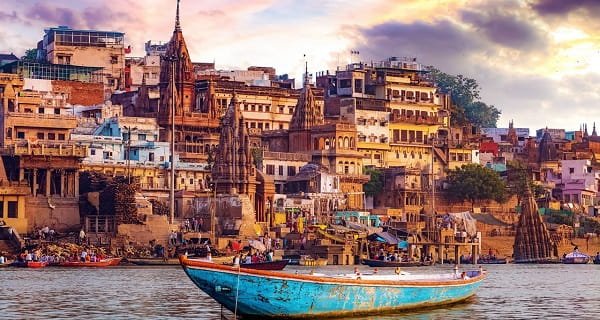
Varanasi is one of the world’s oldest continuously inhabited cities and India’s most sacred pilgrimage destination, famous for its ancient ghats along the Ganges, magnificent Ganga Aarti ceremonies, towering temples, winding old city lanes, and an atmosphere of spiritual intensity unlike anywhere else on earth. Whether you are planning a pilgrimage, a cultural journey, a photography expedition, or a deeply personal travel experience, choosing the best time to visit Varanasi will help you encounter this extraordinary city at its most powerful and accessible.
Located on the western bank of the Ganges in Uttar Pradesh, Varanasi experiences three distinct seasons that significantly affect the city’s weather, festival calendar, ghat conditions, and overall atmosphere. Understanding when to visit ensures you experience the right version of Varanasi for your purpose and travel style.
Varanasi Travel Overview
| Factor | Details |
| Best Overall Time | October to March |
| Peak Tourist Season | November to February |
| Cheapest Time to Visit | July to September |
| Best for Ghat Exploration | November to February |
| Best for Ganga Aarti | October to March |
| Best for Honeymoon | November to January |
| Best for Festivals | October to March |
| Best for Budget Travelers | Monsoon Season |
| Best for Spiritual Seekers | Year-round |
| Average Temperature | 5°C to 44°C (varies by season) |
Why Timing Matters When Visiting Varanasi
Varanasi experiences three major seasons — winter, summer, and monsoon. Each season creates a fundamentally different experience of the ghats, the Ganges, and the city’s spiritual atmosphere.
Winter brings the most comfortable sightseeing conditions, the most spectacular festivals, and the most atmospheric foggy morning boat rides. Summer offers intense heat with fewer crowds and budget-friendly travel, while the monsoon fills the Ganges to dramatic levels and brings a distinctive quietness to the city’s sacred spaces.
The best time to visit depends on your purpose, budget, and comfort preferences.
Visiting Varanasi During Winter (October to March)
Winter is universally recognised as the best time to visit Varanasi. During these months, the weather is cool and pleasant, the ghats are at their most vibrant, and the city’s extraordinary festival calendar reaches its peak intensity.
Weather During Winter
Temperatures range between 5°C and 30°C depending on the month. December and January are the coldest months with early morning temperatures sometimes dropping to 5 to 8°C, creating dramatic foggy conditions on the Ganges that are among the most photographed scenes in Indian travel.
Why Visit Varanasi in Winter?
- Cool, comfortable temperatures for long ghat walks and temple explorations
- Misty fog on the Ganges creates magical sunrise boat ride conditions
- Major festivals including Dev Deepawali and Maha Shivratri are celebrated with extraordinary intensity
- Ganga Aarti ceremony is atmospheric and fully active every evening
- Sarnath Buddhist site is comfortable to explore in the cool air
- Seasonal delicacies like Malaiyo — a saffron-scented milk foam sweet unique to Varanasi winters — are available
Winter is the most popular season among pilgrims, spiritual travellers, and international tourists alike.
Best Ghats to Visit
Dashashwamedh Ghat
The city’s most famous and spiritually significant ghat hosts the nightly Ganga Aarti ceremony with priests performing elaborate fire rituals against the backdrop of the Ganges.
Assi Ghat
The southernmost major ghat is popular at sunrise for morning prayers and yoga sessions, offering a quieter spiritual atmosphere than the busy central ghats.
Manikarnika Ghat
The sacred cremation ghat burns continuously day and night throughout the year. Winter fog creates an especially atmospheric setting around this deeply significant site.
Panchganga Ghat
One of Varanasi’s most historic ghats, particularly beautiful in winter morning light with its ancient temples and riverside steps.
Advantages of Winter Travel
- Most comfortable weather for extended sightseeing
- Atmospheric foggy morning boat rides on the Ganges
- Richest festival calendar of the year
- Ganga Aarti is at its most vibrant and well-attended
- Seasonal Varanasi specialties like Malaiyo are available
Disadvantages
- Peak season hotel rates, particularly during major festivals
- Popular ghats and temples become very crowded
- Advance booking essential for ghat-view accommodations
- Dev Deepawali week sees boats booked out 30 days ahead
November and Dev Deepawali — Varanasi’s Most Spectacular Festival
November is the most celebrated single month in Varanasi’s annual calendar, anchored by Dev Deepawali — the Festival of Lights of the Gods, celebrated fifteen days after Diwali on the full moon of the Kartik month.
What Makes Dev Deepawali Special?
- Over one million oil lamps lit along the entire length of the Ganges ghats simultaneously
- Flower decorations, fireworks, and devotional music fill the riverfront
- Priests perform a specially grand version of the nightly Ganga Aarti
- The entire Ganges waterfront glows golden in an experience unlike anything else in India
- Pilgrims and tourists come from across the world for this single event
The ghats during Dev Deepawali are considered one of the most visually spectacular experiences in all of Indian travel. Book ghat-view accommodations and boat rides at least one month in advance.
Visiting Varanasi During Summer (April to June)
Summer in Varanasi brings intense heat that most travellers find challenging, but also offers a distinctive version of the city — less crowded, more contemplative, and significantly more affordable.
Weather During Summer
Temperatures regularly reach 40 to 44°C in May and June. The ghats and narrow old city lanes can feel very warm during midday hours. Early mornings from 4 AM to 9 AM and late evenings after 6 PM remain manageable.
Why Visit Varanasi in Summer?
- Significantly lower hotel rates across all property categories
- Ghats and temples are far less crowded
- The spiritual intensity of the city is present in all seasons
- Early morning Ganges boat rides before sunrise are serene
- Buddhist pilgrims visit Sarnath in large numbers during Buddha Purnima in May
Best Summer Activities
- Pre-dawn boat rides on the Ganges before heat builds
- Early morning Ganga Aarti attendance
- Buddha Purnima celebrations at Sarnath in May
- Indoor temple visits during peak midday heat
- Evening Ganga Aarti attendance as temperatures ease
Benefits of Summer Travel
- Lowest hotel rates of the year
- Quiet, uncrowded ghat experiences in early mornings
- Genuine pilgrimage atmosphere without tourist crowds
- Affordable luxury hotel stays
Drawbacks
- Extreme afternoon heat making outdoor activity very uncomfortable
- Limited outdoor exploration between 10 AM and 5 PM
- High humidity adds to heat discomfort
- Not ideal for elderly travellers or young children
Visiting Varanasi During Monsoon (July to September)
Monsoon brings a unique transformation to Varanasi. The Ganges rises dramatically, sometimes submerging lower ghat steps, and the city takes on a green-tinged, rain-softened atmosphere that is genuinely atmospheric for the spiritually inclined traveller.
Weather During Monsoon
Temperatures range between 25°C and 35°C with high humidity and regular rainfall. The Ganges often floods the lower ghats significantly in August and September.
Why Visit Varanasi During Monsoon?
- Lowest hotel prices and best budget travel conditions
- The swollen, powerful Ganges creates an especially awe-inspiring presence
- Green vegetation softens the city’s ancient stone architecture
- Spiritual intensity of the city is unchanged by season
- Ganga Dussehra and Guru Purnima festivals fall in the monsoon window
The monsoon Ganges at Varanasi — wide, powerful, and flowing fast — has a spiritual force that pilgrims believe is especially potent during the Shravan month.
Popular Monsoon Experiences
Ganga Dussehra
The festival celebrating the descent of the Ganges from heaven to earth is held during the monsoon and draws enormous pilgrimage crowds to the ghats for ritual bathing and prayer.
Shravan Month Celebrations
The entire monsoon month of Shravan is considered sacred to Lord Shiva, making Kashi Vishwanath Temple especially significant with daily religious observances.
Evening Ganga Aarti in Rain
The nightly Ganga Aarti ceremony against a backdrop of monsoon clouds and rain-lit oil lamps creates an especially atmospheric visual and spiritual experience.
Advantages of Monsoon Travel
- Most affordable accommodation rates of the year
- The Ganges at its most powerful and spiritually potent
- Unique monsoon festival experiences
- Quieter, more contemplative ghat atmosphere
Disadvantages
- Lower ghats may be submerged by flooding Ganges
- High humidity is uncomfortable
- Some outdoor activities restricted during heavy rainfall
- Boat rides may be restricted during peak flood periods
Best Time to Visit Varanasi for Different Travellers
For Pilgrims and Spiritual Seekers
Varanasi is a year-round pilgrimage destination — its spiritual power is not seasonal. However, November to February offers the richest festival calendar for those seeking the deepest cultural and spiritual immersion.
For Families
October to March provides comfortable weather for all ages, safe ghat conditions, and manageable sightseeing across the city’s temples, museums, and Sarnath Buddhist heritage site.
For Budget Travellers
July to September offers the lowest accommodation costs and most affordable travel packages, with the full spiritual character of the city intact despite the rain.
For Photographers
November to February is essential for photography — foggy sunrise boat rides on the Ganges, the golden light on ancient ghats, and the extraordinary visual spectacle of Dev Deepawali create images found nowhere else in the world.
For Festival Lovers
November’s Dev Deepawali, February’s Maha Shivratri, March’s Holi, and October’s Navratri and Diwali each offer extraordinary cultural experiences that define Varanasi’s identity as India’s spiritual capital.
Best Time for Ganga Aarti in Varanasi
The Ganga Aarti at Dashashwamedh Ghat is performed every single evening of the year without exception.
Ideal Months
The ceremony is most atmospheric from October to February.
The ceremony features:
- Seven priests performing synchronised fire rituals simultaneously
- Large brass lamps, incense, flowers, and conch shells
- Devotional chanting and music throughout
- Boat viewing from the Ganges for the most dramatic perspective
- Enormous crowds during major festival nights
Winter evenings with cool air and clear skies make the fire ceremony especially vivid and the atmosphere most charged.
Festivals and Events in Varanasi
Varanasi’s festival calendar is the richest of any Indian city throughout the year.
Dev Deepawali
Celebrated fifteen days after Diwali on the Kartik Purnima full moon, over one million oil lamps are lit along the ghats in one of India’s most visually spectacular events.
Maha Shivratri
The Great Night of Shiva transforms Varanasi into the world’s most celebrated Shiva festival destination, with all-night temple observances, processions, and enormous pilgrimage gatherings at Kashi Vishwanath.
Ganga Dussehra
The monsoon festival celebrating the Ganges draws pilgrims for ritual bathing during the holiest period of the sacred river’s annual flood season.
Travel Tips for Visiting Varanasi
To make your Varanasi visit most meaningful and comfortable, consider the following tips:
- Book ghat-view accommodations at least 30 to 60 days in advance during peak winter months.
- Arrange Ganga Aarti boat viewing in advance during Dev Deepawali week — boats are fully booked weeks ahead.
- Carry a warm layer for early morning pre-dawn boat rides even in October.
- Hire a local guide for ghat and temple walks to understand the deep layers of significance at each site.
- VIP darshan passes for Kashi Vishwanath Temple eliminate 2 to 3 hour general queues during peak season.
- Respect photography restrictions at certain ghats and temples, particularly at Manikarnika.
- Stay hydrated and plan all outdoor activity before 10 AM and after 5 PM during summer months.
Conclusion
The best time to visit Varanasi is between October and March, when the weather is pleasantly cool, the festival calendar is at its most spectacular, the morning fog on the Ganges creates one of India’s most atmospheric travel experiences, and the city’s ancient spiritual energy is most fully expressed in its cultural life.
However, Varanasi is fundamentally different from most travel destinations — its spiritual power and profound human experience are present in every season, every month, and every hour of the day. The monsoon’s flooded Ganges and summer’s contemplative emptiness each offer something that the peak season’s crowds cannot replicate.
Whether you come as a pilgrim, a photographer, a curious traveller, or someone searching for something that cannot quite be named, Varanasi rewards every kind of visitor in every season. Choose your timing wisely — but know that no timing makes this city ordinary.
Frequently Asked Questions
Q: What is the best month to visit Varanasi?
A: November is considered the finest single month — Dev Deepawali fills the ghats with a million oil lamps in one of India’s most extraordinary visual experiences.
Q: Is Varanasi worth visiting during monsoon?
A: Yes — the powerful flooded Ganges, monsoon festivals like Ganga Dussehra, budget hotel rates, and a quieter spiritual atmosphere make the monsoon a genuinely rewarding time for the right kind of traveller.
Q: What is the peak tourist season in Varanasi?
A: November to February, with Dev Deepawali week, Diwali, and Maha Shivratri being the absolute peak periods requiring advance booking.
Q: Is the Ganga Aarti worth attending in all seasons?
A: Yes — the Ganga Aarti at Dashashwamedh Ghat is performed every single evening without exception throughout the year. Winter evenings are most atmospheric.
Q: How many days are enough for Varanasi?
A: A 2 to 3-day visit is sufficient to experience the main ghats, the Ganga Aarti, Kashi Vishwanath Temple, and Sarnath’s Buddhist heritage site comfortably.