A bare wall behind the TV or the bed is often the first surface Indian homeowners want to upgrade, and the two materials most often quoted for the job are PVC wall panels and wooden wall panels. PVC panels are lightweight, waterproof and affordable, available in wood-grain, marble and fluted designs that go up in a day. Wooden panels, whether solid timber, veneered boards or painted MDF, bring real warmth, texture and a premium feel. The right choice depends on where the wall is, whether it faces any dampness, how much you want to spend and the kind of finish you’d like to live with for years.
What You’re Choosing Between
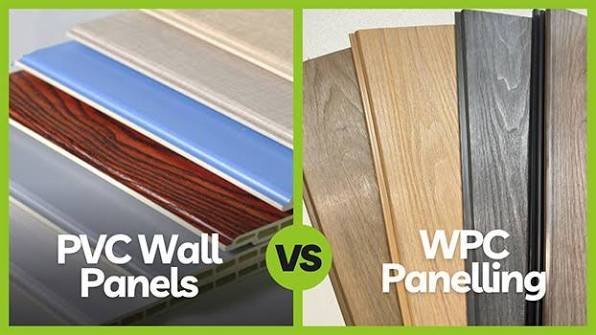
PVC options sold in India include:
- Hollow PVC panels: interlocking strips, usually 5 to 10 mm thick, common for ceilings, bathrooms and budget wall makeovers
- Solid or fluted PVC panels: thicker, more rigid panels with grooved or louvred profiles
- PVC marble sheets: UV-coated sheets that mimic Italian marble, popular for TV walls and bed backs
Wooden options include:
- Solid wood slats or planks in pine, teak or other timbers
- Veneered panels, with real wood veneer over plywood or MDF
- Painted or PU-finished MDF panels, often fluted or grooved
- Acoustic slat panels, with wooden strips mounted on felt backing
Moisture: The Deciding Factor in Many Indian Homes
PVC is completely waterproof and unaffected by termites. That makes it a natural fit for bathrooms, utility areas, ground-floor rooms and walls exposed to monsoon humidity. It’s also widely used on balcony ceilings and in coastal homes.
Wooden panels need a dry wall. On a wall with even mild dampness, timber and boards can swell, warp or attract termites over time. Before fitting wooden panels, ask your contractor to check moisture levels with a meter and treat the wall with an anti-termite solution.
One important caution applies to both: never use panels to hide a seepage problem. PVC panels may cover a damp patch neatly, but trapped moisture behind them can cause odour, mould and further wall damage. Fix the source first, whether a bathroom leak, a cracked external wall or rising damp, and panel the wall once it’s dry.
Look, Feel and Sound
Wooden panels are hard to beat for warmth. Natural grain, the feel of real timber under your hand and the way wood glows under warm evening lighting give a living room or bedroom a rich, finished character.
Modern PVC panels look far better than older versions. Wood-grain prints, matte textures and marble-effect sheets can look convincing from a few feet away. Up close, the surface feels smoother and more uniform than real wood or stone.
Sound is an often-overlooked benefit of wood. Many Indian homes have vitrified tile floors and bare plastered walls, which make rooms echo. Wooden slat panels on felt backing absorb part of that sound, making TV rooms, home offices and study spaces noticeably calmer. PVC panels, being hard and smooth, reflect sound much like the plain wall.
Installation and Room Depth
PVC panels are quick to install. Many can be fixed directly to a level wall with adhesive or clips, without any plywood base. A typical accent wall can be finished in a day with minimal dust.
Wooden panelling usually needs a framework of battens or a plywood base, followed by panel fixing, filling and polishing. That takes several days and adds roughly 1 to 2 inches of depth to the wall, which matters in compact bedrooms where furniture is already tightly planned.
Heat, Sunlight and Safety
PVC softens with high heat, so keep it away from cooktops, chimneys and areas behind heavy appliances that get warm. On walls facing strong afternoon sun through large windows, leave small expansion gaps during installation.
Wooden panels handle normal room heat comfortably but prefer protection from direct sunlight, which can fade or darken the finish over time. A UV-resistant polish helps.
Costing a TV Wall
Take a 10 ft × 9 ft TV wall, which is 90 square feet. Using approximate 2026 market rates:
- Hollow PVC panels, installed at around ₹90 to ₹180 per sq ft: about ₹8,100 to ₹16,200
- PVC marble sheet, at around ₹100 to ₹250 per sq ft: about ₹9,000 to ₹22,500
- Painted MDF panels, at around ₹150 to ₹400 per sq ft: about ₹13,500 to ₹36,000
- Wooden panelling, at around ₹500 to ₹2,500 per sq ft: about ₹45,000 to ₹2.25 lakh
Wooden panelling costs considerably more, especially with solid timber or premium veneers, but it also adds lasting value and can be refinished in future.
Room-by-Room Choices
In the living room, wooden or veneered panels make a striking TV wall, while PVC marble sheets offer a stylish budget alternative.
In bedrooms, a wooden headboard wall adds warmth and softens sound, and PVC fluted panels give a neat, modern look for less.
In bathrooms and utility areas, PVC is the practical choice because it handles constant moisture.
For kitchens, PVC marble sheets suit backsplash areas away from the hob, while wooden panels are better avoided near cooking zones.
In kids’ rooms, PVC panels are easy to wipe clean, and painted MDF panels allow cheerful colours.
For rented homes, PVC panels are affordable and quick to fit, with lower investment if you move.
Care and Lifespan
PVC panels need only a wipe with mild soapy water. Good-quality panels generally last 10 to 15 years. Damaged sections can be replaced, though matching an older design may be difficult, so keep a few spare panels.
Wooden panels need dusting and a gentle wipe with a dry cloth. With a quality polish and a dry wall, they can last 20 years or more, and they can be re-polished to refresh their look.
FAQs
Q1. Which is better, PVC or wooden wall panels?
A: PVC panels are better for damp areas and budgets, while wooden panels offer a richer look, better acoustics and longer life on dry walls.
Q2. Are PVC wall panels waterproof?
A: Yes, PVC panels are fully waterproof and termite-proof, making them suitable for bathrooms and humid rooms.
Q3. Can PVC panels be used in kitchens?
A: Yes, PVC marble sheets work well on kitchen walls away from the hob and direct heat.
Q4. Do wooden wall panels attract termites?
A: They can if the wall is damp or untreated, so anti-termite treatment and a dry wall are important.
Q5. How long do PVC wall panels last?
A: Good-quality PVC panels usually last 10 to 15 years with basic care.
Q6. Can wall panels hide damp walls?
A: Panels shouldn’t be used to hide dampness, as trapped moisture can damage the wall; the seepage must be fixed first.