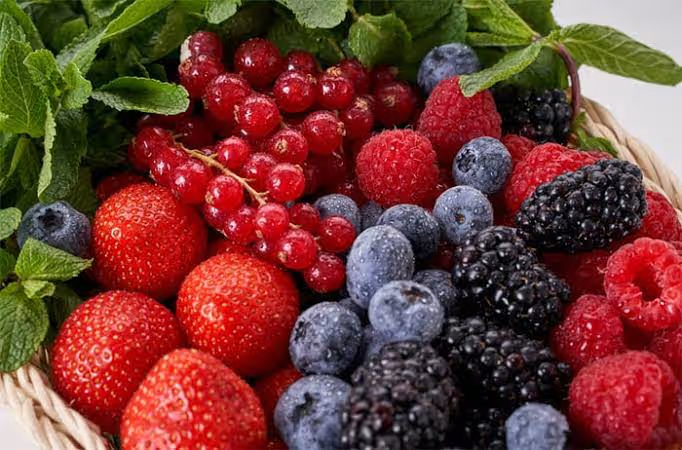
Not every fruit is enjoyed the same way. While apples and grapes are often eaten fresh, karonda, with its naturally sour taste, is more suited to pickles, chutneys and other flavourful preparations. This small fruit has found its place on the Indian kitchen table in the form of pickles, chutneys and preserves.
The acidity is not the end of the story. In addition, karonda fruit provides vitamin C, dietary fibre, pectin and some iron as well. It can be used in meals in a very unique way.
First Things First, What Is Karonda?
Karonda is a fruit that grows on a shrub and is commonly found in parts of India. The fruit is small and can range in colour as it ripens. The unripe fruit tends to have a particularly strong sour taste.
This may come across as a negative aspect; however, this is exactly what makes this fruit so valuable in cooking. A tangy ingredient is something that will make your recipe come alive. Spice it up with some salt or jaggery and you suddenly realise the appeal of its strong taste.
For many families, karonda is more familiar as something sitting in a pickle jar than as fruit served at the end of a meal.
A Look At Its Nutritional Side
One of the vitamins that can be found in karonda fruit is vitamin C. This vitamin is essential for proper functioning of the immune system and forms an integral part of a healthy diet.
Then there is fibre. Everyone knows that fibre is something that should be consumed in sufficient amounts, but it’s not necessarily the most interesting topic of conversation at the dining table. Fruits provide an easy way to get fibre.
Karonda contains pectin too. Pectin is a soluble fiber that occurs naturally in fruits and is also what gives certain jams their thick consistency. The fruit contains iron as well, although it should not be considered a major source of iron.
Where Gut Health Comes In
It sounds exciting to think that there could be one food item that changes your gut health entirely, but this is definitely not the case.
Digestion benefits from an overall varied diet. Fibre from fruit, vegetables, pulses and whole grains all contributes to the bigger picture. The pectin and dietary fibre in karonda fruit can be included as part of that mix.
There is no need to eat large amounts. It may actually be more practical to consume a variety of plant-based foods than looking for a one-size-fits-all solution. It’s equally important to stay hydrated.
Give The Berry A Proper Chance
Raw karonda may not win everyone over. It is much easier to consume when used in a recipe.
A homemade karonda pickle can certainly add many flavours to your otherwise ordinary lunch. You can also make it into a chutney using spices and a little bit of sweetness. Jaggery can be used especially if you need something to tone down the sour taste.
There are plenty of family recipes for ingredients like this, so asking an older relative how they prepare it can be more useful than searching for an elaborate recipe.
A Sour Little Addition Worth Knowing
Karonda may not be the most obvious fruit in the produce section, and that is perhaps what makes it interesting. Karonda has culinary significance, apart from its vitamins, fibre, pectin and iron content.
The next time you’re shopping groceries online, it may not be a bad idea to go beyond the familiar apple, banana and orange. Get yourself some karonda fruit whenever they are available, try some pickles and chutneys and see what all the fuss is about. It might just become one of those ingredients that gets remembered the next time the grocery basket is being filled.