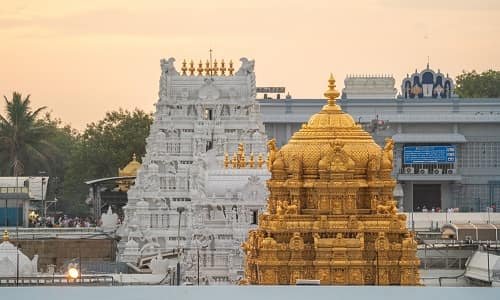
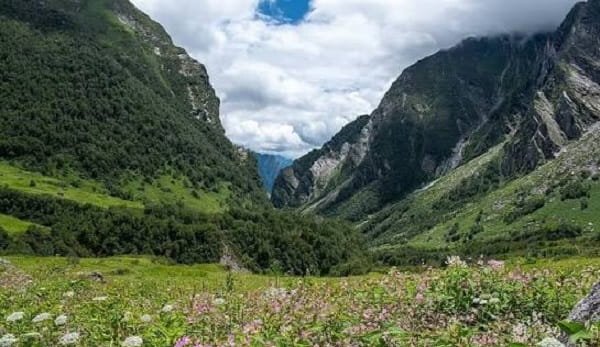
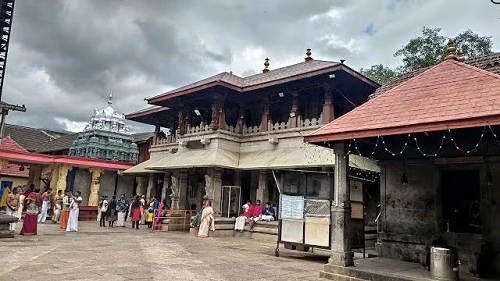
Nainital is India’s most enchanting and enduringly popular hill station — a jewel of the Kumaon Himalayas in Uttarakhand, famous for its crescent-shaped Naini Lake ringed by seven hills whose mirror-like surface reflects the surrounding cedar and oak forests in a visual composition so naturally perfect that it has captivated visitors since the British first discovered it in 1841. The 1.5-kilometre Mall Road curving along the lake’s northern bank, the Naina Devi Temple perched on the northeastern shore, the Snow View viewpoint accessible by cable car, the High Altitude Zoo at 2,100 metres, Tiffin Top’s panoramic Himalayan views, the boat rides on the emerald lake, the local food of bal mithai and singori, and the easy access to the surrounding Kumaon highlands including Bhimtal, Sattal, and Mukteshwar together make Nainital one of Uttarakhand’s most beloved and most visited destinations. Whether you are planning a family summer holiday, a honeymoon retreat, a snow experience, a birdwatching expedition to the surrounding forests, or a base for exploring the Kumaon highlands, choosing the best time to visit Nainital determines which version of this lake hill station you encounter.
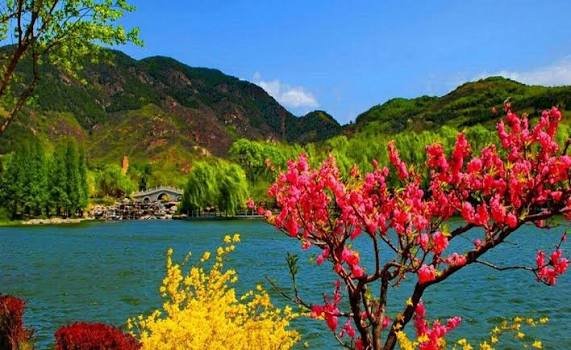
Nainital Travel Overview
| Factor | Details |
| Best Overall Time | March to June and October to November |
| Peak Tourist Season | April to June and December to January |
| Cheapest Time to Visit | July to September |
| Best for Snow | December to January |
| Best for Boating and Lake | March to June and October to November |
| Best for Honeymoon | December to February and March to April |
| Best for Families | March to June |
| Best for Photography | October to November |
| Best for Budget Travelers | July to September |
| Average Temperature | 0°C to 25°C (varies by season) |
Why Timing Matters When Visiting Nainital
Nainital experiences four distinct seasonal characters — the vibrant, celebratory summer that draws millions of visitors from the plains, the dramatic monsoon that fills the lake to maximum and transforms the surrounding forest, the crisp and photogenic autumn that many experienced travellers consider the finest season, and the potentially snow-covered winter that creates the romantic mountain atmosphere Nainital is particularly famous for among honeymooners and couples.
Understanding which version of Nainital aligns with your travel expectations prevents the most common visitor disappointment — arriving in a different season from what was imagined. Each season here is genuinely rewarding for the right traveller; the question is simply which one suits you best.
Visiting Nainital During Summer (March to June)
Summer is Nainital’s peak tourist season — the period when millions of visitors escape the blistering heat of the North Indian plains by ascending to the 2,084-metre elevation of this lake hill station, where temperatures remain cool and the entire town operates at full festive energy.
Weather During Summer
Temperatures range between 10°C and 25°C during the day — pleasantly cool compared to the 40°C-plus conditions simultaneously occurring in Delhi, Lucknow, and Kanpur. March and April are the most pleasant months. May and June see temperatures nudging slightly higher while remaining entirely comfortable. Evenings drop to 10°C to 15°C requiring a light jacket.
Why Visit Nainital in Summer?
- The cool mountain air provides genuine and complete relief from the intense North Indian summer heat
- Naini Lake boating is at its most active and most enjoyable — paddleboats, rowboats, and kayaks on the emerald water surrounded by green hills
- The Snow View Point cable car operates on its full summer schedule — ascending to 2,270 metres for panoramic views of the surrounding Kumaon Himalayan peaks
- All attractions including the High Altitude Zoo, Tiffin Top, Eco Cave Gardens, and Mall Road are fully operational
- Nainital Summer Festival held in May brings cultural events, boat races, and entertainment programmes to Mall Road and Naina Lake
- The surrounding forests are at their most vividly green, providing outstanding nature walks
- Bhimtal, Sattal, Naukuchiatal, and other nearby lakes make excellent day trips in the pleasant summer weather
Summer is the most complete and most activated version of Nainital for all visitor types.
Best Places to Visit
Naini Lake
The heart of Nainital — the crescent-shaped lake at 2,084 metres is most lively in summer with boat activity throughout the day, the Naina Devi Temple busy with devotees, and the Mall Road lakeshore walk most pleasant in the cool morning air.
Snow View Point
The 2,270-metre viewpoint above the town provides the most accessible panoramic view of the Kumaon Himalayan range including Nanda Devi, Trishul, and Nanda Kot. In summer the cable car operates full-day schedules and the viewpoint offers the clearest mountain views of the warm season.
Tiffin Top (Dorothy’s Seat)
A short trek from the town to a 2,292-metre viewpoint named after the British artist Dorothy Kellett who loved to sketch here, Tiffin Top offers a 360-degree panorama of the lake, surrounding hills, and distant Himalayan peaks. The walk is most pleasant in April and May when the forest is in full green spring.
Mall Road
Nainital’s pedestrianised lakeside promenade is at its most festive and lively in summer — shops, food stalls, boat booking counters, and street performers create a holiday atmosphere that defines the summer Nainital experience.
Advantages of Summer Travel
- Most comfortable temperatures for all activities including boating, trekking, and sightseeing
- Full range of tourist activities operational
- Summer Festival creates an especially vibrant cultural atmosphere
- Best lake conditions for boating — calm, green water with full boat fleet operational
- Excellent day-trip opportunities to surrounding Bhimtal, Sattal, and Naukuchiatal lakes
Disadvantages
- May and June bring very large tourist crowds — Mall Road and the lake can feel congested
- Hotel prices are at their annual highest during peak summer
- Long waiting times at popular attractions during holiday weekends
- Advance booking essential for well-located hotels from April to June
- Heavy traffic on the Kathgodam to Nainital road on weekends can extend journey times significantly
March and April — The Finest Summer Months
March and April are the most recommended months within the summer window — pleasant temperatures, spring blooms, pre-peak crowds, and moderate hotel rates combine for the most rewarding version of the summer visit.
What Makes March and April Special?
- Spring blooms including rhododendron and oak forest flowers across the surrounding hills
- Temperatures at their most comfortable for walking — 12°C to 22°C
- Crowds below the May-June peak with hotel availability more relaxed
- Hotel rates below May-June peak pricing
- The lake is at its clearest after winter and before the summer algae growth
- Birdwatching in the surrounding Pangot and Kilbury forests is excellent during spring migration
Visiting Nainital During Autumn (October to November)
Autumn is the season that experienced Nainital visitors most consistently return to — a two-month window of extraordinary balance between the post-monsoon freshness of October and the cooling, clear-skied beauty of November.
Weather During Autumn
Temperatures range between 5°C and 15°C — brisk and clear, with the finest mountain visibility of the entire year. October is bright and crisp, November cooling toward early winter levels with the first chill arriving in the evenings.
Why Visit Nainital in Autumn?
- Post-monsoon clarity delivers the year’s clearest views of the Himalayan peaks from Snow View Point and Tiffin Top — the Nanda Devi massif is most dramatically visible in October’s transparent air
- The surrounding forests are intensely green from monsoon rainfall but the mud and disruption of the monsoon itself have cleared
- Far fewer tourists than the summer peak — Mall Road, the boat dock, and all attractions are relaxed and uncrowded
- Hotel rates are below summer peak with good availability
- The Naini Lake is at its fullest after monsoon — the deepest blue-green colour of the year
- Autumn birdwatching at Pangot (15 kilometres from Nainital) is outstanding — this birding hotspot near Kilbury is considered one of the finest in the Western Himalayas
Popular Autumn Attractions
Pangot Birding
The oak, rhododendron, and pine forest village of Pangot is one of India’s finest birding destinations, home to the Koklass pheasant, Khalij pheasant, Mountain scops owl, and dozens of rare Himalayan bird species. October and November are the prime birdwatching months when both resident and migratory species are most active.
Nainital Lake in October
The lake at its fullest post-monsoon level, reflecting the autumn sky in deep green-blue, with the surrounding hills still richly green — the finest single visual of Nainital across the entire year is the lake in October morning light.
Advantages of Autumn Travel
- Finest mountain view clarity of the entire year
- Dramatically reduced crowds compared to summer peak
- Naini Lake at its fullest and most beautiful colour
- Best birdwatching conditions at Pangot and Kilbury
- Hotel rates below summer peak with excellent availability
Disadvantages
- November evenings become genuinely cold requiring warm clothing
- Some outdoor boat activities reduce as November progresses and temperatures drop
- December approaching means the transition to winter cold begins in late November
Visiting Nainital During Winter (December to February)
Winter Nainital creates one of Uttarakhand’s most atmospheric and romantic hill station experiences — the lake is still and cold, the surrounding hills occasionally dust with snow, and the town takes on a cosy, intimate quality very different from its summer festivity.
Weather During Winter
Temperatures range between 0°C and 10°C with December and January being the coldest months. Snowfall is possible — most reliably in late December and January — and the surrounding higher peaks receive consistent winter snow. The town itself receives light snowfall in most years, transforming briefly into a white-dusted landscape of extraordinary beauty.
Why Visit Nainital in Winter?
- Snowfall in late December and January — though not guaranteed every year — creates Nainital’s most magical visual moments when the lakeside Mall Road and the surrounding hills are briefly blanketed in white
- The Nainital Winter Carnival in December brings cultural events, food festivals, and entertainment to Mall Road in a festive atmosphere
- The hill station is at its most peaceful and intimate — far fewer tourists allow for a quieter, more contemplative lake town experience
- Snow View Point in winter offers the year’s most dramatic views of the snow-covered Himalayan range
- Romantic atmosphere for honeymooners and couples — cosy hotel fireplaces, hot chai at lakeside cafes, and the quiet winter lake create an intimate mountain retreat
Popular Winter Attractions
Snow View Point in Winter
The cable car ascent to 2,270 metres in clear winter air delivers the most dramatic Himalayan panorama of the year — snow-covered peaks stretching across the horizon with Nanda Devi gleaming white in the clearest months of January and February.
Winter Carnival on Mall Road
December’s Winter Carnival brings local craftspeople, food stalls, cultural performances, and the warm festive atmosphere of a Kumaon hill town celebrating its cultural identity to Nainital’s lakeside promenade.
Naini Lake in Winter Mist
The lake on a misty winter morning — partially obscured by low cloud with the Naina Devi Temple visible through the fog — creates one of Nainital’s most romantic and atmospheric visual moments.
Advantages of Winter Travel
- Snowfall creates the most magical visual experience Nainital can offer
- Winter Carnival creates festive December atmosphere
- Most peaceful and intimate version of the town
- Snow View Point delivers the year’s finest Himalayan panorama
Disadvantages
- Snowfall is not guaranteed every year — timing a visit around snowfall requires flexibility
- Temperatures of 0°C to 5°C require warm thermal clothing for extended outdoor time
- Boat activities on the lake are suspended during the coldest winter weeks
- Some smaller guesthouses and restaurants reduce operations in deep winter
Visiting Nainital During Monsoon (July to September)
Monsoon fills Naini Lake to its maximum level, turns the surrounding forests to a vivid, almost surreal green, and brings the waterfalls of the Kumaon hills to their most dramatic. But it also brings heavy and continuous rainfall that can make sightseeing, trekking, and road travel genuinely difficult.
Weather During Monsoon
Temperatures range between 15°C and 22°C with frequent and sometimes heavy rainfall. The surrounding Kumaon hills receive substantial monsoon rainfall — Nainital is known for its dramatic monsoon cloudscapes and the way the hills disappear and reappear through shifting cloud.
Why Some Travellers Visit in Monsoon?
- Naini Lake at its fullest and deepest blue-green — the most water-filled version of the lake’s famous crescent shape
- The surrounding forests are at their most intensely lush — a dramatic vivid green that is unlike any other season
- Waterfalls including Nainital’s own Thandi Sadak waterfall are at maximum flow
- Hotel rates are lowest of the year — significant savings on all accommodation categories
- Fewer tourists create a quieter, more authentic experience of the town and its lake
Advantages of Monsoon Travel
- Year’s lowest hotel rates
- Naini Lake at maximum fullness and most vivid colour
- The surrounding forest landscape is most dramatically green
- Photography of monsoon clouds over the lake is uniquely beautiful
Disadvantages
- Continuous rainfall disrupts outdoor activity plans
- Trekking to Tiffin Top and Cable Car to Snow View can be suspended during heavy rain
- Road conditions on approaches to Nainital can be affected by landslides
- Mud and wet paths make outdoor exploration less comfortable
Best Time to Visit Nainital for Different Travellers
For Honeymooners
December to February for the most romantic and intimate hill town atmosphere — the possibility of snow, fireside evenings, the quiet winter lake, and the gentle, unhurried pace of the town in its off-season create a honeymoon experience genuinely different from the summer crowds. March and April offer an equally romantic but warmer alternative.
For Families
March to May is the definitive family season — comfortable temperatures for all ages, all activities operational including boating and cable car, and the festive summer atmosphere that creates genuinely enjoyable family holiday memories.
For Budget Travellers
July to September for the lowest hotel rates — September is particularly recommended as the monsoon eases, the lake is at its fullest, and conditions begin transitioning toward the excellent autumn window.
For Photographers
October and November for the finest light conditions — post-monsoon green against clear blue sky, the lake at its fullest colour, and the most dramatic Himalayan views from the viewpoints create the year’s finest photography conditions.
For Birdwatchers
October to April for the finest birdwatching at Pangot — resident Himalayan species are most active in winter months and the spring migration adds additional variety from February to April.
Best Time for Naini Lake Boating
Naini Lake boating is the defining Nainital activity and timing matters.
Ideal Months
March to June and October to November for the calmest and most pleasant boating conditions.
Boating options include:
- Paddle boats for two to four people exploring the lake at leisure
- Row boats with local rowers providing a guided lake circumnavigation
- Kayaks for independent paddling
- Shikara boats for romantic sunset rides
- Yacht and sailing boat rentals for longer lake exploration
The boat dock at Mallital (northern end of the lake) operates from early morning to evening throughout the open season.
Festivals and Events in Nainital
Nainital Summer Festival
Held in May each year, this multi-day celebration features boat races on Naini Lake, cultural performances, food festivals, photography competitions, and adventure sports activities that create the most festive single period in the summer season.
Winter Carnival
December’s Winter Carnival brings folk performances, artisanal craft exhibitions, local cuisine festivals, and the warmly atmospheric festive energy that makes Nainital’s winter more than just a cold-weather visit.
Bikhauti Fair
Held on the first day of Navratri in October, this traditional Kumaoni fair near Nainital is one of the region’s most authentic local celebrations — a cultural experience beyond the standard tourist itinerary.
Travel Tips for Visiting Nainital
To make your Nainital visit most comfortable and memorable, consider these practical guidelines:
- Book May and June peak season hotels at least 4 to 6 weeks in advance — lakeside properties fill completely during school holiday weeks.
- Private vehicles are restricted in Nainital town during peak hours — the only access is by shared taxi or on foot from the designated parking areas below the lake.
- The Naini Peak Trek — rising to 2,615 metres above the town — offers the finest panoramic view accessible on foot; complete it before 10 AM for clear Himalayan views.
- Visit Snow View Point cable car early morning on clear days — afternoon haze builds quickly even in winter and reduces the mountain panorama.
- Bal mithai and singori — Nainital’s famous local sweets — are best purchased from the shops on Bazar Road rather than the tourist-facing Mall Road stalls.
- Carry warm layers regardless of the season — evenings at 2,084 metres are cool throughout the year.
- The Kathgodam to Nainital road (35 kilometres, approximately 1.5 to 2 hours) is the main approach — Kathgodam is well-connected to Delhi and Lucknow by overnight trains.
Conclusion
The best time to visit Nainital is from March to June and October to November — the two comfortable weather windows that together provide the most complete Nainital experience across different travel purposes. March and April offer the finest balance of comfortable weather, moderate crowds, spring blooms, and full lake activity. October and November deliver the most photogenic landscape with post-monsoon green clarity, the fewest crowds, and the year’s finest mountain panoramas.
December and January reward the romantic at heart with the possibility of snow and the most intimate, fireside version of this beloved lake hill station.
Whether you come for the Naini Lake boating, the Snow View panorama, the Mall Road stroll, the Tiffin Top sunset, the Pangot birding, the monsoon mist on the hills, or simply the pleasure of sitting at a lakeside café with a cup of hot coffee watching the surrounding hills reflect in the perfectly still green water, Nainital delivers its timeless promise to every visitor who makes the journey into the Kumaon Himalayas.
Frequently Asked Questions
Q1. What is the best month to visit Nainital?
A: April for the finest balance of comfortable weather, spring blooms, moderate crowds, and full lake activity — and October for the most photogenic landscape with post-monsoon green clarity and the year’s finest mountain view conditions.
Q2. Does Nainital get snow?
A: Yes — snowfall is most likely in late December and January, though it is not guaranteed every year. The surrounding higher elevations receive consistent snow while the town itself may receive light dusting. Check weather forecasts in the week before a winter visit.
Q3. What is the peak tourist season in Nainital?
A: April to June when the plains heat drives visitors to the hills, and December to January for the winter carnival and snowfall experience — both periods require advance hotel booking.
Q4. Is Nainital worth visiting in monsoon?
A: For budget travellers and those who love dramatic cloud landscapes and the fullest version of the lake, yes. Rainfall disrupts outdoor activities but the beauty of the monsoon hills around Nainital is genuinely extraordinary.
Q5. How many days are enough for Nainital?
A: A 2 to 3-day visit covers Naini Lake boating, Snow View Point, Tiffin Top, the High Altitude Zoo, Mall Road, and the Naina Devi Temple comfortably. Extend to 4 to 5 days to include day trips to Bhimtal, Sattal, and Pangot for birding.