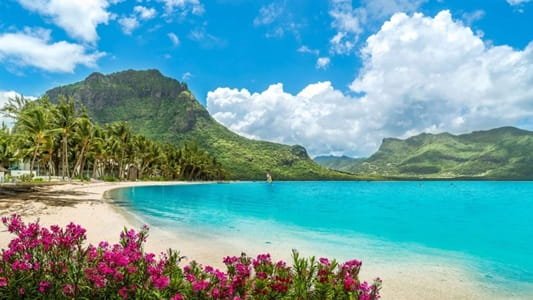
Mauritius is one of the Indian Ocean’s most extraordinary island destinations — a volcanic island nation of extraordinary beauty and diversity rising from the turquoise waters of the southwestern Indian Ocean, famous for its powder-white beaches fringed with casuarina trees, world-class coral reef diving and snorkelling, the dramatic mountain interior of Black River Gorges National Park, the cultural richness of a population that blends Indian, African, Creole, Chinese, and European heritage into one of the most genuinely multicultural societies in the world, and a luxury hospitality tradition that has made it one of the most celebrated honeymoon and resort holiday destinations on earth. Whether you are planning a beach holiday, a diving expedition, a cultural discovery, a surfing adventure, or a romantic escape, choosing the best time to visit Mauritius ensures you experience this extraordinary island at its most beautiful and most rewarding.
Located approximately 2,000 kilometres off the southeast coast of Africa in the Indian Ocean, Mauritius enjoys a tropical maritime climate with two distinct seasons — a warm, humid summer season and a cooler, drier winter — with the added consideration of a cyclone season that overlaps with the summer months and carries real weather risk for visitors during the early months of the year.
Mauritius Travel Overview
| Factor | Details |
| Best Overall Time | May to December |
| Peak Tourist Season | July, August, and December to January |
| Cheapest Time to Visit | May to June and September to October |
| Best for Beaches | May to December |
| Best for Diving | May to October |
| Best for Surfing | July to August |
| Best for Honeymoon | May to June and September to November |
| Best for Budget Travelers | May to June and September to October |
| Best for Whale Watching | July to October |
| Average Temperature | 18°C to 33°C (varies by season) |
Why Timing Matters When Visiting Mauritius
Mauritius experiences two clearly defined seasons — summer from November to April and winter from May to October. The critical additional consideration is the cyclone season, which runs from November to March and peaks in January and February. Cyclones are not guaranteed to strike Mauritius — most storms pass at sea — but a direct hit or near-miss can close airports, cause dangerous conditions, and severely disrupt holiday plans with little notice.
Understanding this seasonal framework helps you choose the travel window that aligns with your holiday priorities — whether that is guaranteed sunshine, world-class diving, the best beach conditions, surfing, or simply avoiding the crowd-and-price peak of December and August.
Visiting Mauritius During Winter (May to October)
Mauritius winter is the undisputed best travel window for most visitors. Temperatures are comfortable rather than hot, humidity is notably lower than summer, seas are calmer, and the risk of cyclone disruption is essentially zero. The months of May, June, September, and October in particular represent the finest value combination of excellent weather and manageable crowd levels.
Weather During Winter
Temperatures range between 18°C and 26°C on the coast — pleasantly warm rather than tropical-hot, with the consistent southeast trade winds providing a natural cooling effect particularly along the east and south coasts. Nights can be cool enough at 15°C to 18°C to require a light layer, making the overall feel more European-summer than tropical-equatorial.
Why Visit Mauritius in Winter?
- Consistent sunny days with lower humidity than summer — the most comfortable conditions for outdoor beach exploration and sightseeing
- Diving conditions are at their absolute finest between May and October — visibility reaches 30 to 40 metres at the best sites as summer rain-stirred sediment clears completely
- Humpback whale and sperm whale watching season runs from July to October along the western and northern coasts — some of the most accessible whale watching in the Indian Ocean
- The southeast trade winds of July and August create world-class surfing and kitesurfing conditions at Le Morne and Belle Mare
- July and August see peak European summer visitors — bustling beach club atmosphere at all major beach areas
- Diving sites including St Brandon’s Atoll, the North pass, and the Coin de Mire island channels are most productively explored in clear winter water
Winter is the most reliable, most comfortable, and most activity-rich season for Mauritius travel.
Best Places to Visit
Le Morne Peninsula
The dramatic black basalt Le Morne Brabant mountain — a UNESCO World Heritage Site of cultural and historical significance — rises above the finest beach on Mauritius at the southwestern tip. Winter trade winds make the lagoon in front of Le Morne the world’s most consistently rated kitesurfing and windsurfing destination.
Blue Bay Marine Park
This protected marine reserve near Mahebourg in the south contains some of the healthiest coral garden ecosystems in the Indian Ocean, most clearly visible in the low-turbidity winter months when underwater visibility allows snorkellers to see the full extent of the reef from the surface.
Chamarel Seven Coloured Earths
The extraordinary geological phenomenon of volcanic soil in seven distinct colours — red, brown, violet, green, blue, purple, and yellow — is most visually striking under the clear winter light that sharpens colour contrasts compared to the hazy summer atmosphere.
Grand Baie — North Coast
The island’s most developed beach and entertainment area offers the liveliest atmosphere in winter when European and local visitors fill the beach restaurants, water sports centres, and sunset catamaran tours. Most water activities including glass-bottom boat tours and island hopping are most reliably scheduled in calm winter seas.
Advantages of Winter Travel
- Zero cyclone risk — the most reliable weather window for fixed-date travel plans
- Best diving visibility of the year at all major sites
- Lower humidity creates the most comfortable beach and outdoor conditions
- Whale watching season in full swing from July to October
- World-class surfing and kitesurfing in the trade winds of July and August
Disadvantages
- July and August are peak tourist months with the year’s highest hotel rates
- Popular beach areas can be significantly crowded during school holiday periods
- East and south coast beaches experience stronger trade winds in July and August — not ideal for casual swimming
- Some north coast beaches have calmer water in winter making them preferable to windward south and east coasts
May, June, September, October — The Sweet Spot Months
These four months represent Mauritius at its finest value — the combination of excellent weather, low to moderate tourist numbers, and rates well below the July-August and December peaks.
What Makes These Months Special?
May and June: Mauritius transitions from summer warmth to winter comfort — temperatures are perfect at 22°C to 26°C, humidity drops dramatically, and hotels offer early-winter promotional rates 15 to 25 percent below peak. The island is largely to itself from European tourist perspective, creating a quieter, more authentic pace.
September and October: The mirror image of May and June on the other side of winter — temperatures warm back toward 25°C to 28°C, the whale season continues through October, diving visibility remains outstanding, and the island’s lush interior is at its most vivid after occasional winter rains. Hotel rates are below the approaching December peak.
Visiting Mauritius During Summer (November to April)
Summer brings Mauritius its warmest temperatures, highest humidity, and the beauty of a tropical island in full lush green bloom — alongside the weather risk that defines this period.
Weather During Summer
Temperatures range between 25°C and 33°C with high humidity particularly in January and February. The island is green, lush, and visually at its most tropical. Rainfall typically comes in afternoon bursts rather than all-day downpours, and many summer days feature extended sunshine alongside brief thunderstorms.
Cyclone Risk — Understanding the Reality
The cyclone season runs from November to March with peak risk in January and February. Most cyclones do not make direct landfall on Mauritius — the island experiences perhaps two to four significant weather events annually, most of which are warnings rather than direct strikes. However, even a warning-level event can close beaches, prevent swimming, ground flights, and cause widespread disruption to carefully planned holiday itineraries.
The Mauritius Meteorological Service issues alerts from Class I (potential cyclone in area) through Class IV (extreme danger) and the system is well-organised. For visitors who can be flexible with activities and are travelling for cultural exploration or accommodation-based relaxation as much as beach time, the risk is manageable. For visitors with fixed itineraries and specific experience expectations, January and February carry the highest uncertainty.
Why Some Travellers Visit Mauritius in Summer?
- Warmest sea temperatures — perfect for snorkelling without a wetsuit
- The most vibrant and lush green tropical landscape
- Major Hindu festival of Mahashivaratri — pilgrims carry milk in kavadi from coastal temples to Grand Bassin sacred lake in February in one of the most dramatic religious processions in the Indian Ocean region
- Chinese New Year celebrations in January or February fill Port Louis with colour and community
- December Christmas and New Year atmosphere at the island’s luxury resorts is internationally celebrated
- Hotels offer promotional rates in the slower parts of early summer before December rush
Popular Summer Attractions
Mahashivaratri Pilgrimage
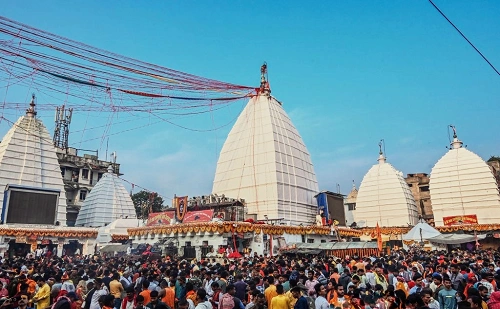
This Hindu festival of devotion — one of the most significant in the Mauritian Hindu calendar — sees tens of thousands of pilgrims dressed in white walking barefoot from coastal temples to the sacred crater lake of Grand Bassin in the Black River mountains, carrying decorated pots of milk for an offering to Lord Shiva in a deeply moving spectacle of faith and community.
Black River Gorges National Park
Mauritius’s only national park is most richly green and biologically active in the summer months, with endemic birds including the Mauritius kestrel, pink pigeon, and echo parakeet most active in the warm, moist conditions.
Coastal Luxury Resorts
December and January are when Mauritius’s internationally celebrated luxury resort sector is at peak operation — the Four Seasons, One&Only Le Saint Géran, and Constance Belle Mare Plage among others offer their most complete seasonal programming.
Advantages of Summer Travel
- Warmest temperatures and the most tropical island atmosphere
- Major cultural festivals including Mahashivaratri in February
- Christmas and New Year resort celebrations create a festive atmosphere
- The most lush and green version of the island’s interior
- Some accommodation promotional rates in the quieter early summer months
Disadvantages
- Cyclone risk January and February — highest weather uncertainty of the year
- High humidity makes outdoor exploration uncomfortable in the afternoon heat
- December peak season sees the year’s highest hotel rates alongside July and August
- Some diving sites have reduced visibility due to summer rain-stirred sediment
Best Time to Visit Mauritius for Different Travellers
For Honeymooners
May to June and September to November deliver the finest honeymoon conditions — the combination of excellent beach weather, calm lagoons ideal for sunset catamaran sailing, lower humidity than summer, world-class dive sites, and hotel rates 15 to 25 percent below peak creates the ideal luxury island honeymoon at better value than December or August.
For Families
July and August are the most popular family months with the most vibrant resort atmosphere, maximum activity availability, and reliable sunshine throughout. Book accommodations 3 to 4 months ahead for the July-August school holiday period.
For Budget Travellers
May and September to October offer the finest budget windows — comfortable winter weather conditions with hotel rates at their most competitive. November before the December peak is another budget-friendly option.
For Divers
May to October provides the finest diving conditions — clearest visibility, most stable sea conditions, and the richest marine life activity at Mauritius’s famous wall dives, the Cathedral cave at Flic en Flac, and the north and east pass channels.
For Surfers and Kitesurfers
July and August are the definitive season — the southeast trade winds reach their most consistent and powerful at Le Morne (kitesurfing) and One Eye break (professional surfing), with the world’s most consistent reef waves drawing surfers from across the globe.
Best Time for Whale Watching in Mauritius
Humpback whales migrate along the western coast of Mauritius from July to October.
Ideal Months
July to October along the western coast near Le Morne and Tamarin Bay.
Whale watching activities include:
- Boat-based whale watching tours from Tamarin and Le Morne
- Sperm whale diving at the deep underwater canyon off the west coast
- Dolphin swimming excursions in Tamarin Bay where resident spinner dolphins are present year-round
- Seasonal humpback whale photography from whale watching vessels
October is considered the finest single month for whale watching — the migration reaches its peak visible activity and the calmer October seas make for smoother, longer watching excursions.
Festivals and Events in Mauritius
Mauritius’s multicultural identity produces one of the Indian Ocean’s richest festival calendars.
Mahashivaratri
The most significant Hindu festival in Mauritius, held in February, sees hundreds of thousands of devotees in white making a barefoot pilgrimage to Grand Bassin crater lake. The procession is one of the most visually powerful religious events in the Indian Ocean region.
Cavadee
Another major Tamil Hindu festival in January or February where devotees carry kavadi — elaborate decorated structures attached to their skin with skewers — as acts of devotion during processions to temples across the island.
Chinese New Year
Port Louis’s vibrant Chinatown and Mauritian Chinese community celebrate the Lunar New Year in January or February with dragon dances, fireworks, and community feasting that reflects the island’s diverse cultural heritage.
Travel Tips for Visiting Mauritius
To make your Mauritius holiday most enjoyable, consider these practical guidelines:
- Book July, August, and December to January accommodations at least 3 to 4 months in advance — Mauritius’s best properties fill completely during these peak periods.
- If travelling during cyclone season (November to March), purchase comprehensive travel insurance that specifically covers cyclone-related cancellations and delays.
- The east coast beaches — Belle Mare, Trou d’Eau Douce — are calmer than south and west coast beaches during trade wind months (July to August) making them preferable for families with young children.
- Use reef-safe sunscreen only — the Mauritius coral reef ecosystem is legally protected and chemical sunscreen is environmentally damaging to the reefs you are visiting.
- Book diving excursions with PADI-certified dive operators who know the seasonal patterns at each site — dive conditions vary significantly between the windward east coast and the leeward west coast at different times of year.
- The public bus network is comprehensive and extremely affordable — a practical alternative to expensive taxi transfers for independent travellers.
- Carry Mauritian rupees for local market and street food transactions — card payments are not universally accepted outside hotels and major restaurants.
Conclusion
The best time to visit Mauritius is between May and December, with October and November representing the island’s finest overall travel window — the comfort of winter’s clear, cool conditions combined with warming spring temperatures, outstanding diving visibility, the whale season at its peak, and hotel rates below both the July-August and December highs.
May, June, September, and October in particular deserve recognition as the hidden gems of the Mauritius travel calendar — excellent conditions, manageable crowds, and the most favourable pricing of any weather-reliable season.
Whether you come for the turquoise lagoons, the world-class diving, the Le Morne kitesurfing, the humpback whale season, the extraordinary multicultural festivals, or the luxury of a private beach with a rum-based sunset cocktail, Mauritius delivers the tropical island experience with a richness and cultural depth that few comparable destinations can match.
Frequently Asked Questions
Q1. What is the best month to visit Mauritius?
A: October and November are widely considered the finest individual months — warm, sunny, clear water, whale season in October, no cyclone risk, and hotel rates below the December-January and July-August peaks.
Q2. Is Mauritius safe to visit during cyclone season?
A: Most cyclones pass at sea without directly hitting Mauritius. However, January and February carry the highest weather uncertainty. Travel insurance covering cyclone disruption is strongly recommended for any summer visit.
Q3. What is the peak tourist season in Mauritius?
A: Two peak periods — July and August for European school holidays, and December to early January for Christmas and New Year. Both periods command the year’s highest hotel rates.
Q4. Which coast is best for beaches in Mauritius?
A: The north and northwest coasts — Grand Baie, Trou aux Biches, and Mont Choisy — offer the calmest lagoons year-round. The east coast is beautiful but windier in July and August. The south and west coasts have dramatic scenery and world-class surf.
Q5. How many days are enough for Mauritius?
A: A 7 to 10-day trip comfortably covers beach relaxation, diving, Black River Gorges, Chamarel, the north coast lagoons, and the cultural sites of Port Louis and Mahebourg with time to breathe between activities.