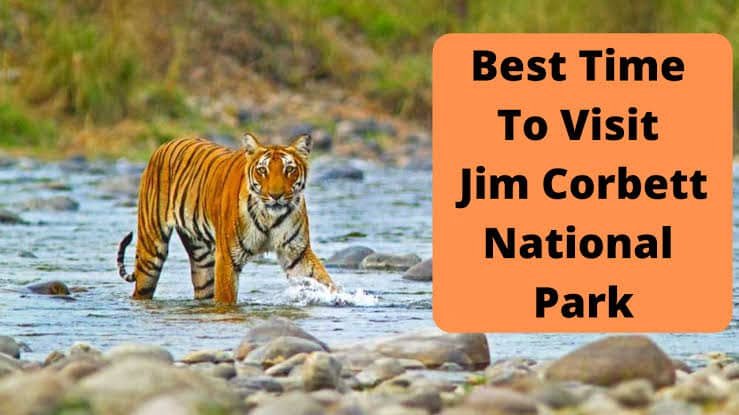
Jim Corbett National Park is India’s oldest national park and one of its finest wildlife destinations — established in 1936 as Hailey National Park to protect the endangered Bengal tiger, it covers 1,318 square kilometres of mixed deciduous forest, riverine grassland, and Sal forest in the Nainital and Pauri Garhwal districts of Uttarakhand, where the Ramganga River flows through the heart of the tiger habitat. Named after the legendary naturalist and conservationist Jim Corbett who played a central role in its establishment, the park is the crown jewel of Project Tiger and consistently ranks among India’s highest-probability destinations for wild Bengal tiger sightings. Beyond tigers, Corbett’s extraordinary biodiversity includes Asian elephants, leopards, sloth bears, gharial and mugger crocodiles, otters, over 600 bird species, and the rich river ecosystem of the Ramganga that supports one of Uttarakhand’s finest wildlife experiences. Whether you are planning a dedicated tiger-sighting safari, a birdwatching expedition, a family wildlife holiday, a riverside nature camp, or a combined Uttarakhand nature and hill station circuit, choosing the best time to visit Jim Corbett determines not only the weather but which safari zones are accessible, how likely you are to see tigers, and what the park’s character looks and feels like during your visit.
Jim CorbXett Travel Overview
| Factor | Details |
| Best Overall Time | October to March |
| Peak Tourist Season | November to February |
| Cheapest Time to Visit | July to September |
| Best for Tiger Sightings | April to June |
| Best for Birdwatching | November to February |
| Best for All Safari Zones | November to June |
| Best for Honeymoon | November to February |
| Best for Families | November to March |
| Best for Photography | October to June |
| Average Temperature | 5°C to 40°C (varies by season) |
Why Timing Matters When Visiting Jim Corbett
Jim Corbett’s access is governed by the park’s seasonal zone opening and closing calendar, which is determined annually by the park administration based on monsoon intensity and forest regeneration requirements. The most popular zones — including Dhikala, the largest and most productive for tiger and elephant sightings — typically close during the monsoon months of July to September when road conditions inside the forest become impassable and the ecosystem is allowed to regenerate. Only three zones — Jhirna, Dhela, and Garjia — remain open year-round.
This seasonal access pattern is the single most important planning consideration. The difference between visiting in November when all six zones are open and Dhikala’s famous chaurs (riverine grasslands) are producing tiger sightings daily, versus visiting in August when only Jhirna is functional, is the difference between one of India’s finest wildlife experiences and a significantly reduced one.
Jim Corbett Safari Zones — Understanding the Access System
Jim Corbett is managed across six distinct safari zones, each offering different wildlife and landscape experiences.
Dhikala is the park’s largest and most celebrated zone — access to the Dhikala chaurs, the Ramganga reservoir viewpoint, and the forest rest house at the heart of the park. This is where the most dramatic wildlife encounters — tigers crossing the chaurs at dawn, elephants bathing in the reservoir, crocodiles on the riverbanks — occur. Dhikala requires an overnight stay at the forest rest house to access the full range of its safari programme, and booking the limited overnight accommodation must be done through the CTR (Corbett Tiger Reserve) booking portal months in advance.
Bijrani zone near Ramnagar is the most accessible for day visitors — close to the main gate, productive for tiger and elephant sightings, and manageable as a day trip from Ramnagar-based resorts.
Jhirna is the only zone open year-round including during monsoon months, located in the southern buffer zone. While it lacks the dramatic chaur landscapes of Dhikala, it offers consistent wildlife sightings in a more accessible format.
Dhela is a newer zone adjacent to Jhirna, also open year-round, offering good forest elephant and deer sightings.
Durga Devi zone in the park’s northeast is most productive for birdwatching and elephant sightings, with the Ramganga River forming a beautiful backdrop.
Sitabani is a buffer zone outside the core park boundary, open year-round without requiring CTR permits but offering a quieter wildlife experience.
Visiting Jim Corbett During Winter (October to March)
Winter is the most popular and most broadly recommended time to visit Jim Corbett. All safari zones reopen from mid-October after the monsoon closure, the post-monsoon forest is lush and fresh, migratory birds from Central Asia arrive in large numbers, and daytime temperatures are perfectly comfortable for extended safari drives.
Weather During Winter
Temperatures range between 5°C and 25°C — cool mornings and evenings requiring a warm layer, with pleasant sunny afternoons ideal for safari visibility. December and January bring the coldest conditions with early morning safari temperatures occasionally near 5°C at the park’s higher forest elevations.
Why Visit Jim Corbett in Winter?
- All six safari zones including the premier Dhikala zone are fully operational
- Migratory bird season from October to March brings over 200 additional species to the Ramganga reservoir and surrounding wetlands — winter is the finest birdwatching season in the park
- Vegetation is moderately dense post-monsoon, offering a beautiful green forest backdrop while visibility through the undergrowth improves through November and December as foliage thins
- Wildlife activity during morning safaris is highest in winter — animals bask in the morning sun and move to water sources in predictable patterns
- The Ramganga reservoir’s winter bird populations — bar-headed geese, pintail ducks, pied kingfishers, crested serpent eagles — create an extraordinary birdwatching spectacle
- Family travel is most comfortable in the cool, manageable temperatures
- Corbett’s famous riverside nature camps along the Kosi and Ramganga rivers are most enjoyable in the cool winter season
Winter is the most complete and most accessible version of the Jim Corbett experience for all visitor types.
Best Safari Experiences
Dhikala Zone — The Gold Standard
The open chaurs (riverine grasslands) of the Dhikala zone are where the park’s tiger population is most reliably encountered. Dawn and dusk safaris from the Dhikala rest house create the finest wildlife photography conditions — tigers crossing the open grassland with the Ramganga in the background against the rising sun create images that define the Jim Corbett experience.
Ramganga Reservoir Bird Watching
The large reservoir formed by the Ramganga Dam within the park holds extraordinary concentrations of migratory waterbirds in November to February — bar-headed geese, black-necked storks, great crested grebes, osprey, and dozens of duck species make winter the essential birdwatching season.
Bijrani Zone Tiger Sightings
The Bijrani zone’s mix of sal forest, grassland, and open patches makes it the most consistently productive zone for tiger sightings among day visitors. Morning safaris in November to February regularly encounter tigers walking the forest roads or resting at forest edges.
Advantages of Winter Travel
- All six zones including premier Dhikala fully operational
- Best birdwatching season with migratory species at peak numbers
- Comfortable temperatures for full-day safari experiences
- Wildlife morning activity is highest in the cold — animals move to bask in sunlight
- The Ramganga reservoir viewpoint from Dhikala is most spectacular in winter clarity
Disadvantages
- November to February is peak season — Dhikala rest house bookings fill months ahead
- All riverside camps and popular resorts near Ramnagar require advance booking
- Morning temperatures near 5°C require warm layers for early 6 AM safari starts
- Dhikala overnight accommodation is extremely limited and competitive
April to June — The Best Time for Tiger Sightings
Counterintuitively, the summer months of April to June actually produce the highest probability of tiger sightings in Jim Corbett — and this is the most important wildlife insight for serious tiger photographers and enthusiasts.
Why Summer Delivers the Best Tiger Sightings
As summer progresses and water bodies shrink in the forest, tigers, elephants, deer, and all large mammals concentrate around the few remaining water sources. In the Dhikala zone, this means tigers come to the Ramganga’s river edges and the few permanent water holes predictably and repeatedly — making sightings almost guaranteed for patient visitors in the peak of summer (May and June).
Additionally, the forest vegetation has thinned significantly from its winter maximum — deciduous trees have shed leaves and the undergrowth is at its most sparse. This dramatically improves visibility through the forest, allowing safari drivers and visitors to see animals that would be invisible in the dense green growth of November and December.
Weather During Summer
Temperatures range between 25°C and 40°C — genuinely hot, particularly during midday. Afternoon safaris can be uncomfortable but morning safaris from 6 AM to 9:30 AM and evening safaris from 3 PM to 6 PM provide the most comfortable and most productive wildlife windows.
Why Visit Jim Corbett in Summer?
- Highest probability of tiger sightings in the entire year — animals concentrated at water sources
- Reduced vegetation creates the best visibility for all wildlife spotting
- All five major zones remain open through June providing full access
- Fewer tourists than winter peak means more peaceful, less crowded safaris
- Hotel and resort rates are below the winter peak
- Elephant herds concentrate at river banks creating extraordinary elephant photographic opportunities
- Dhikala overnight bookings are somewhat more available than winter peak
Best Summer Activities
- Dawn tiger safari at Dhikala chaurs — highest probability summer window
- Ramganga river bank viewing for crocodile, elephant, and tiger activity
- Bijrani zone morning safari for the most open sight lines of the year
- Riverside fishing at designated areas (permit required)
- Evening birding for raptors including crested serpent eagle and changeable hawk-eagle
Benefits of Summer Travel
- Best tiger sighting probability of the entire year
- Reduced forest vegetation creates the finest wildlife photography visibility
- Fewer tourists at most zones compared to winter peak
- Hotel rates slightly lower than December-January
Drawbacks
- Midday temperatures reaching 38 to 40°C make afternoon outdoor activity uncomfortable
- The noon break between morning and evening safari is best spent indoors
- Not recommended for elderly visitors or very young children during peak heat weeks
Visiting Jim Corbett During Monsoon (July to September)
Monsoon closes most of Jim Corbett’s safari zones — Dhikala, Bijrani, and Durga Devi close for the season by mid-July and don’t reopen until mid-November. Only Jhirna, Dhela, and Garjia zones remain operational. For most visitors, monsoon represents the park’s off-season.
Weather During Monsoon
Temperatures range between 24°C and 31°C with high humidity and regular rainfall. The park receives most of its annual rainfall during this period. The Ramganga River and its tributaries run high and powerful.
Why Some Travellers Visit in Monsoon?
- Jhirna zone offers wildlife sightings including leopards, spotted deer, and elephants in a dramatically green forest setting
- Hotel and resort rates are at their lowest — riverside nature camps offer significant discounts
- The forest is at its most lush and photographically beautiful — green canopy and mist
- Solitude — the park is at its least crowded
- The Kosi River and surrounding areas are at their most powerful and dramatically beautiful
Advantages of Monsoon Travel
- Lowest hotel and resort rates of the year
- Jhirna zone is productive with leopard and elephant sightings
- The forest landscape is at its most vivid and botanically rich
Disadvantages
- Dhikala, Bijrani, and Durga Devi zones closed — the most productive tiger zones are inaccessible
- High humidity makes outdoor activity uncomfortable
- Road conditions inside the open zones can be affected by rain
- Tiger sighting probability is very low compared to the core season
Best Time to Visit Jim Corbett for Different Travellers
For Tiger Enthusiasts
April to June — the summer concentration of wildlife at water sources creates the highest probability of tiger sightings in the entire year, combined with maximum forest visibility due to leaf drop.
For Birdwatchers
November to February — migratory species arrive in large numbers creating the finest birdwatching conditions at the Ramganga reservoir and surrounding wetlands.
For Families
November to March — comfortable temperatures, all zones operational, and the park at its most fully activated make this the best family wildlife holiday window.
For Budget Travellers
April to June for lower resort rates than winter peak combined with excellent wildlife sighting conditions. July to September for the very lowest rates but significantly reduced access.
For Photographers
April to June for the best tiger photography opportunities — reduced vegetation creates clear sight lines. November to December for birdwatching photography at the reservoir.
Best Safari Zones by Season
For Maximum Tiger Sightings
Dhikala (October to June) and Bijrani (October to June) are the two most productive zones. Dhikala requires overnight stay bookings through the CTR portal months in advance.
For Day Safari Visitors
Bijrani and Jhirna offer the most accessible day safari experiences without overnight requirements.
For Year-Round Access
Jhirna, Dhela, and Garjia are the only zones open throughout monsoon — suitable for visitors who cannot time their trip to the main season.
Festivals and Events Near Jim Corbett
Uttarakhand Tourism Festival
Held annually in October or November near the park region, this festival showcases Garhwali folk culture, handicrafts, and cuisine alongside conservation awareness programming connected to the national park.
Corbett Bird Festival
An annual event typically held in November that draws birdwatching enthusiasts from across India and internationally for guided birding walks, photography contests, and wildlife awareness events around the Ramganga reservoir.
Travel Tips for Visiting Jim Corbett
To make your Jim Corbett visit most rewarding, consider these essential guidelines:
- Book Dhikala forest rest house accommodation through the official Uttarakhand Tourism portal at least 45 to 90 days in advance — these limited rooms fill many months ahead during peak season.
- Safari jeep and canter bookings are made separately through the same portal — both fill quickly in November to February peak season.
- Carry warm layers for early morning safaris even in summer — 6 AM temperatures in the forest can feel significantly cooler than resort temperatures.
- Maintain absolute silence during safaris — tigers detect human voices far before the safari vehicle approaches.
- Binoculars are essential for the Ramganga reservoir birdwatching and for spotting wildlife across open chaur grasslands.
- The park strictly prohibits plastic, loud music, and off-road vehicle movement — all rules exist specifically to protect the wildlife and must be respected.
- Ramnagar town is the main gateway — well-connected to Delhi (260 kilometres, approximately 6 hours) by road and overnight train.
Conclusion
The best time to visit Jim Corbett National Park is from October to March — when all safari zones are operational, wildlife is active and visible across the full range of the park’s habitats, migratory birds swell the species count to extraordinary diversity, and temperatures are comfortable for full-day wildlife experiences.
However, for the specific and compelling purpose of tiger sightings — which is the primary goal for most visitors — April to June is actually the single best period. The paradox of summer being the finest tiger season is one of Jim Corbett’s most important wildlife truths: heat concentrates animals at water, leaf drop creates visibility, and patient early-morning safari visitors encounter tigers with a reliability that the green winter forest simply cannot match.
Whether you come for the Bengal tiger, the elephant herds, the gharial crocodiles, the Ramganga birdlife, or simply the experience of one of India’s most historically significant and naturally diverse protected areas, Jim Corbett delivers wildlife encounters that remain with visitors permanently.
Frequently Asked Questions
Q1. What is the best month to visit Jim Corbett for tiger sighting?
A: May and June are the finest months for tiger sightings — the heat concentrates wildlife at water sources, leaf drop creates clear visibility through the forest, and the probability of seeing tigers at the Dhikala chaurs is at its annual peak.
Q2. Which safari zone is best for tiger sightings in Jim Corbett?
A: Dhikala is the most productive — its open chaur grasslands are where tigers are most reliably encountered. Bijrani is the best day-safari zone for tiger sightings without requiring overnight stays.
Q3. Is Jim Corbett completely closed during monsoon?
A: No — Jhirna, Dhela, and Garjia zones remain open year-round. However, Dhikala, Bijrani, and Durga Devi — the most productive zones — close from mid-July to mid-November.
Q4. How far in advance should I book Dhikala rest house?
A: At least 45 to 90 days in advance through the Uttarakhand Tourism portal — during peak season (November to February) these limited rooms fill months ahead of the travel date.
Q5. How many days are enough for Jim Corbett?
A: A minimum of 2 nights and 3 days is recommended to cover at least 3 to 4 safari rides across different zones and times of day, significantly improving the probability of quality wildlife sightings.