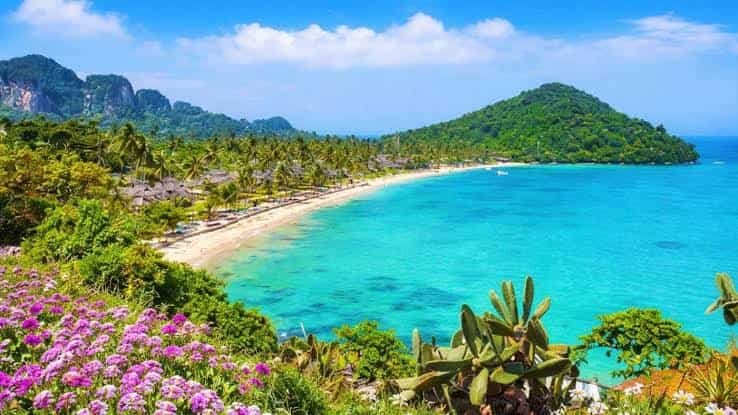
The Andaman and Nicobar Islands are India’s most extraordinary island destination — an archipelago of 572 islands, islets, and rocks scattered across the eastern Bay of Bengal, geographically closer to Myanmar and Thailand than to mainland India, where some of Asia’s finest beaches meet world-class coral reef diving, primeval tropical rainforest covers over 80 percent of the landmass, bioluminescent plankton lights up the night sea, and the indigenous Jarawa and Sentinelese tribes maintain lives untouched by the outside world in protected reserve forests. Famous for Radhanagar Beach on Havelock Island — consistently rated among Asia’s finest beaches with its powder-white sand, turquoise water, and jungle-fringed backdrop — the Cellular Jail in Port Blair where India’s freedom fighters were imprisoned by the British, the glass-clear underwater world of Elephant Beach for snorkelling and scuba diving, the living root bridges and limestone caves of Baratang, the bioluminescent beach at Havelock, and Neil Island’s relaxed, unspoiled character, the Andamans offer a genuinely remote island experience of a quality that India’s mainland coastline simply cannot replicate. Whether you are planning a honeymoon beach escape, a scuba diving expedition, an island-hopping adventure between Port Blair, Havelock, and Neil, a historical pilgrimage to the Cellular Jail, or a wildlife and nature exploration through the biosphere reserves, choosing the best time to visit the Andaman and Nicobar Islands determines your sea conditions, diving visibility, beach safety, and the overall quality of everything the islands can offer.
Andaman and Nicobar Islands Travel Overview
| Factor | Details |
| Best Overall Time | October to May |
| Peak Tourist Season | December to February |
| Cheapest Time to Visit | June to September |
| Best for Scuba Diving | November to April |
| Best for Snorkelling | November to April |
| Best for Beaches | November to March |
| Best for Honeymoon | November to February |
| Best for Families | November to March |
| Best for Budget Travelers | June to September |
| Average Temperature | 23°C to 31°C year-round |
Why Timing Matters When Visiting Andaman
The Andaman and Nicobar Islands experience two monsoon systems — the southwest monsoon from May to September and the northeast monsoon from October to December — creating a genuinely binary seasonal pattern. During the southwest monsoon from June to September, the Bay of Bengal turns rough, ferry services between islands become unreliable and sometimes suspended for days, most water sports and diving operations close, beaches carry red flag warnings against swimming, and the overall island experience is significantly compromised for all activity-based tourism.
The dry season from October to May — with the finest conditions concentrated between November and March — is when the Andamans deliver the complete island experience: calm turquoise sea, excellent diving visibility, all inter-island ferries and water sports operational, and the beaches at their most beautiful.
The single most important planning decision for the Andamans is to avoid the monsoon months of June to September for any activity-focused visit.
Visiting Andaman During Winter (October to February)
Winter is the best time to visit the Andaman and Nicobar Islands — the most popular, most comfortable, and most complete season when every dimension of the island experience from beach quality to diving visibility to inter-island ferry reliability is at its finest.
Weather During Winter
Temperatures range between 22°C and 30°C — warm, tropical, and comfortable with consistent sea breezes moderating the coastal humidity. December and January are the most pleasant months with slightly lower temperatures and the most reliably calm sea conditions. The Bay of Bengal is calm and clear, with underwater visibility reaching 30 to 40 metres at the best diving sites.
Why Visit Andaman in Winter?
- Radhanagar Beach (Beach No. 7) on Havelock Island — one of Asia’s most celebrated beaches — is at its most magnificent with calm, crystal-clear water of the most vivid turquoise, lapping gently onto the powder-white sand under cloudless blue sky
- Scuba diving and snorkelling conditions are at their annual peak — visibility of 30 to 40 metres allows full appreciation of the coral ecosystems, sea turtles, reef sharks, Napolean wrasse, and the extraordinary biodiversity of the Andaman Sea
- Inter-island ferries between Port Blair, Havelock (Swaraj Dweep), Neil Island (Shaheed Dweep), Baratang, and Diglipur operate on reliable schedules without rough-sea suspension risk
- The full menu of water sports — parasailing, jet skiing, kayaking, glass-bottom boat tours, sea walking, and game fishing — all operate at maximum capacity
- The Cellular Jail light and sound show in Port Blair is best experienced in the comfortable winter evening temperatures
- Bioluminescence on Havelock’s beaches — when the movement of feet through shallow night water triggers the blue-green glow of dinoflagellate plankton — is most spectacularly visible on dark moonless nights from November to February
- The Andaman Trunk Road to Baratang — the forest route passing through the Jarawa tribal reserve — is most reliably accessible in winter dry conditions
Winter is the most celebrated season for the complete Andaman experience across all traveller types.
Best Places to Visit
Havelock Island (Swaraj Dweep)
The most popular island in the archipelago — home to Radhanagar Beach (Beach No. 7), Elephant Beach for snorkelling and sea walking, and the island’s famous bioluminescent beach. Winter conditions make all three experiences most rewarding. The ferry from Port Blair takes 90 minutes on the government service or 60 minutes by private speedboat.
Neil Island (Shaheed Dweep)
The quieter, less-developed alternative to Havelock — with Bharatpur Beach for calm water snorkelling, Laxmanpur Beach for spectacular sunsets, and the natural rock formation of the Natural Bridge. Neil is most beautifully visited in winter when the absence of monsoon rain and calm sea conditions allow full beach exploration at a relaxed, unhurried pace.
Baratang Island
Famous for the limestone caves reached by speedboat through mangrove channels and the mud volcanoes — both most accessible in winter when the road through the Jarawa reserve and the mangrove boat route are most reliably operational.
North Bay Island
The closest diving and snorkelling site to Port Blair — a day trip from Port Blair by ferry with coral gardens, sea turtles, and glass-bottom boat viewing most clear and most productive in the winter diving season.
Advantages of Winter Travel
- All beaches at their finest with calm, clear, turquoise Bay of Bengal
- Scuba diving and snorkelling visibility at peak — 30 to 40 metres at best sites
- All inter-island ferries and water sports fully operational
- Bioluminescence most dramatically visible on dark winter nights
- Christmas and New Year create a festive atmosphere in Port Blair and Havelock
Disadvantages
- December to January is peak season — hotels in Havelock book out months ahead
- Ferry tickets from Port Blair to Havelock are in high demand and must be booked through the Andaman government portal in advance
- New Year period sees maximum crowds at all beaches
- Peak season hotel rates significantly higher than shoulder or off-season
December and January — Andaman at Its Most Beautiful
December and January represent the Andaman Islands at their absolute finest — the Bay of Bengal at its calmest, the diving visibility at its clearest, the beaches most beautifully photogenic, and the festive New Year atmosphere adding a cultural dimension to the natural splendour.
What Makes December and January Special?
- Sea conditions at their calmest — Radhanagar Beach in December morning light is the most perfect beach scene India offers
- Diving visibility peaks at 30 to 40 metres — the most productive season for underwater photography and wildlife encounters at sites like Lighthouse Reef, Aquarium, and the Wall
- All inter-island ferries operate on maximum schedule frequency
- Christmas and New Year celebrations at Port Blair and Havelock beach properties
- The beach at Havelock is least crowded in the very early morning — 5 to 7 AM sunrises at Radhanagar in December are extraordinary
Book Havelock Island accommodation at least 2 to 3 months in advance for December and January — the most popular beach cottages and eco-resorts fill completely during this period.
March to May — Summer Season
Summer extends the island experience with warmer temperatures and slightly larger tourist volumes from school holiday visitors, while maintaining all the sea and diving conditions that make winter so rewarding.
Weather During Summer
Temperatures rise to 28°C to 33°C — warmer and more humid than winter but the sea breeze moderates conditions on the beaches. The sea remains calm with good diving visibility through April. May sees conditions beginning to deteriorate as the approaching southwest monsoon builds.
Why Visit Andaman in Summer?
- All water sports, diving, and inter-island ferries remain fully operational through April
- Temperatures are warmer but beach conditions remain excellent for swimming and snorkelling
- March and April represent the best budget window within the good-weather season — conditions comparable to winter at lower prices than the December-January peak
- School summer holidays from May bring large family groups creating a festive beach atmosphere
- Havelock’s Radhanagar Beach at sunset in March and April light is deeply beautiful
Benefits of Summer Travel
- March and April offer winter-quality conditions at below-peak prices
- All activities and ferry services fully operational through April
- School holiday atmosphere in May suits family travellers
Drawbacks
- May weather deteriorates with approaching monsoon — conditions become uncertain from mid-May
- Summer heat combined with high humidity can make afternoon outdoor activity uncomfortable
- May onwards sees some dive operators and beach shacks beginning to close
Visiting Andaman During Monsoon (June to September)
The monsoon period is the most challenging and most restrictive season for the Andaman Islands — a time when the Bay of Bengal turns rough, and the island experience is fundamentally transformed from a beach and water sports destination to a green, atmospheric, but activity-limited retreat.
Weather During Monsoon
Temperatures of 24°C to 30°C with very high humidity and regular heavy rainfall. The Bay of Bengal experiences rough conditions — waves of 2 to 4 metres with dangerous currents. Most beaches carry red flag warnings against swimming throughout the monsoon months.
Why Some Travellers Visit in Monsoon?
- Hotel rates drop dramatically — 40 to 60 percent below peak season pricing
- The islands are at their most lush and intensely green — the tropical rainforest covering the Andaman hills is at its most vivid
- The Cellular Jail and land-based heritage sites in Port Blair are accessible and most personally explored without tourist crowds
- For travellers specifically seeking solitude, the monsoon Andamans offer a version of the islands few visitors ever see
- September is the transitional month — rainfall begins easing and conditions begin improving
Disadvantages
- Swimming at most beaches is unsafe due to rough seas and rip currents
- Nearly all scuba diving and water sports operations are suspended
- Inter-island ferries face disruption, cancellation, or suspension during rough sea periods
- Most Havelock beach resorts reduce operations or close entirely
- The defining experiences of an Andaman visit — beaches, diving, snorkelling, inter-island hopping — are largely unavailable
The October Transition
October marks the most important seasonal transition in the Andaman calendar — the southwest monsoon retreats and conditions begin improving. Early October can still see rain and rough seas, but by late October most diving operators have resumed, inter-island ferries are running reliably, and the islands’ green post-monsoon landscape has a striking freshness not seen in the dry winter months.
October is increasingly popular with experienced Andaman travellers who want the post-monsoon green at its most vivid while beginning to access the water activities that make the islands extraordinary. Hotel rates in October are below the December-January peak while conditions are rapidly improving.
Best Time to Visit Andaman for Different Travellers
For Honeymooners
November to February — the calm turquoise sea, the privacy of Havelock’s beach cottages set back from the waterline among casuarina trees, the bioluminescent night beach, and the extraordinary natural beauty of Radhanagar in morning light create a honeymoon environment of genuine world-class quality.
For Scuba Divers
November to April for the complete diving season with best visibility. December to February for peak underwater conditions — clearest visibility, most diverse marine life activity, and the most productive photography conditions at the Andaman’s best sites.
For Families
November to March — calm seas safe for children at designated swimming beaches, all glass-bottom boat tours and sea walking operational, and the most comfortable temperatures for extended outdoor activity across all ages.
For Budget Travellers
September to October for the best budget-quality balance — conditions transitioning from monsoon to good season with October particularly rewarding. June to August for the very lowest rates but with significant activity restrictions.
For Photographers
December to February for underwater photography at peak visibility, and October to November for the dramatic post-monsoon green landscape combined with clearing blue skies.
Best Diving and Snorkelling Sites by Season
November to April — Full Diving Season
Top sites include:
- Lighthouse Reef — one of the Andaman’s finest dive sites with massive coral structures, sea turtles, and reef sharks
- Aquarium — excellent snorkelling site with shallow coral gardens visible without diving equipment
- The Wall at Havelock — dramatic vertical coral wall descending into deep water
- Barracuda City near North Bay — vast schools of barracuda in open water
- Chiriya Tapu at Port Blair’s southern tip — the most biodiverse diving area in the immediate Port Blair vicinity
Book diving with PADI-certified operators in Havelock — the dive schools at Beach No. 5 have established excellent safety records and operate fully from November to April.
Permit Requirements
All visitors to the Andaman and Nicobar Islands from India’s mainland require a Permit — Indian nationals need a Restricted Area Permit which is issued free on arrival at the airport or ferry terminal in Port Blair. Foreign nationals require advance approval for certain restricted areas. The Nicobar Islands are largely closed to all tourists; the Andaman Islands including Port Blair, Havelock, Neil, and Baratang are the primary tourist destinations accessible under standard permit conditions.
Festivals and Events in Andaman
Island Tourism Festival
Held every January in Port Blair, the Island Tourism Festival is the Andaman’s primary annual cultural event — featuring folk performances from the mainland settler communities, water sports competitions, cultural exhibitions, and crafts from the indigenous tribal heritage of the islands.
Subhash Mela
Held in January at the Netaji Subhash Chandra Bose ground in Port Blair, this fair celebrates the memory of the independence movement leader with cultural programmes, trade exhibitions, and community events that provide a window into the islands’ distinct colonial and freedom movement history.
Travel Tips for Visiting Andaman
To make your Andaman visit most rewarding, consider these essential guidelines:
- Book inter-island ferry tickets between Port Blair and Havelock (Swaraj Dweep) on the Andaman government’s online portal at least 15 to 30 days in advance for December and January — passenger berths are limited and fill quickly.
- Havelock accommodation at quality beach resorts fills 2 to 3 months ahead for peak December-January — book early.
- Carry sufficient cash from Port Blair — ATMs on Havelock and Neil Island are limited and sometimes out of service.
- Radhanagar Beach is most beautiful in the early morning before 8 AM and in the 45 minutes around sunset — plan your day around these windows for the finest experience.
- Book scuba diving certifications or single dives at least 1 to 2 days in advance during peak season — dive schools are in high demand.
- Use reef-safe sunscreen only — the Andaman coral reef is a fragile and legally protected ecosystem.
- The bioluminescence experience at Havelock’s beaches requires a dark, preferably moonless night — check the lunar calendar when planning this specific experience.
- Night safaris and wildlife boat tours in Baratang require advance booking and group size minimums.
Conclusion
The best time to visit the Andaman and Nicobar Islands is from October to May, with November to March representing the absolute finest window — calm Bay of Bengal waters, peak diving visibility, pristine beach conditions, all inter-island ferries and water sports at full operation, and the Christmas-New Year festive atmosphere adding cultural richness to the natural splendour.
December stands out as the finest single month — Radhanagar Beach at its most beautifully calm and clear, diving at peak visibility, the islands at their most photogenic under December blue sky, and the festive New Year energy approaching at the end of the month create the most complete version of the Andaman experience.
Whether you come for Radhanagar Beach’s heartbreaking beauty, the coral gardens of Elephant Beach, the scuba dive at Lighthouse Reef, the bioluminescent night beach, the Cellular Jail’s profound colonial history, the limestone caves of Baratang, or simply the experience of a Bay of Bengal island that remains remote and extraordinary despite being Indian territory, the Andaman and Nicobar Islands will deliver an experience that no mainland Indian beach can replicate.
Frequently Asked Questions
Q1. What is the best time to visit Andaman and Nicobar Islands?
A: October to May is the best overall period, with December to February being the peak season offering the finest beach conditions, calmest seas, and best diving visibility of the year.
Q2. Is monsoon suitable for visiting Andaman?
A: Not recommended for activity-based tourism. The rough Bay of Bengal during June to September makes swimming unsafe on most beaches, suspends water sports and diving, and disrupts inter-island ferry services. September is the transition month when conditions begin improving.
Q3. How far in advance should I book Havelock ferry tickets?
A: 15 to 30 days in advance during peak season through the Andaman government’s online booking portal. December and January tickets are particularly competitive and sell out quickly.
Q4. Which is the best beach in Andaman?
A: Radhanagar Beach (Beach No. 7) on Havelock Island is consistently rated among Asia’s finest beaches — powder-white sand, turquoise water, and jungle backdrop combine to create the most beautiful single beach scene in India.
Q5. How many days are enough for Andaman?
A: A minimum of 6 to 7 days covers Port Blair (Cellular Jail, North Bay, Corbyn’s Cove), Havelock Island (Radhanagar, Elephant Beach, bioluminescence), and Neil Island comfortably with inter-island ferry travel days included.