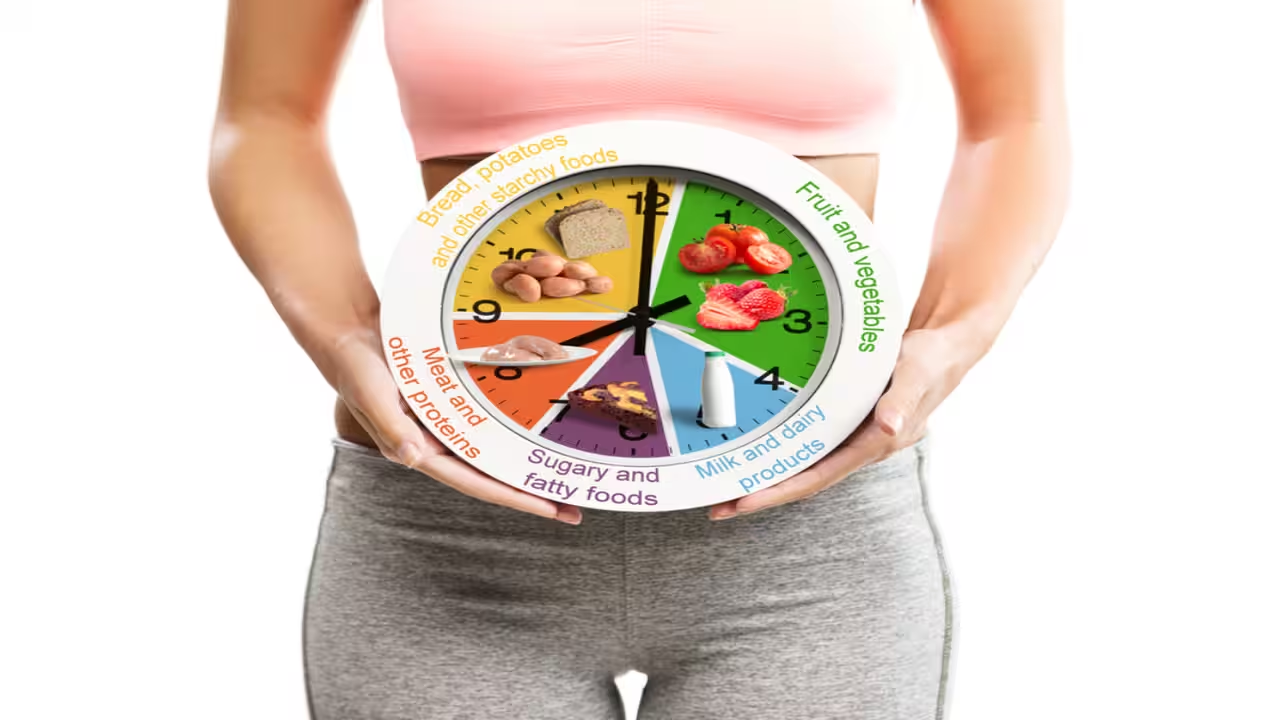
Late dinners have become the norm in many Indian households, whether it’s because of long work hours, family gatherings that stretch past 9 PM, or simply cultural habits around eating dinner later than most Western countries. But there’s a growing body of evidence suggesting that when you stop eating before bed matters just as much as what you eat. Getting this timing wrong could be quietly affecting your sleep quality, digestion, and even long-term weight management. So what’s the ideal cutoff, and why does it matter so much?
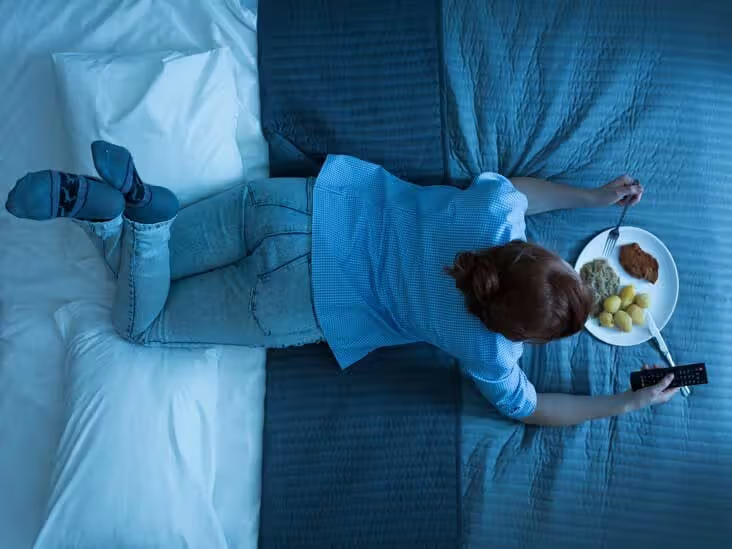
The Ideal Window Explained
Most nutritionists and sleep experts recommend stopping food intake 2 to 3 hours before bedtime. This gives your body enough time to move food through the initial stages of digestion before you lie down, reducing the chances of acid reflux, bloating, and disrupted sleep cycles.
- If you sleep at 11 PM, your last proper meal should ideally be finished by 8 PM to 8:30 PM
- Light snacks, if needed, can be pushed closer to bedtime but should stop at least 1 hour before sleeping
- Heavy, spicy, or oily meals — common in Indian dinners — require the fuller 3-hour window rather than the minimum 2 hours
- People with existing acid reflux or GERD may benefit from an even longer gap of up to 4 hours
Why Eating Too Close to Bedtime Disrupts Sleep
Lying down soon after eating interferes with several bodily processes that are meant to slow down as you prepare for sleep.
- Digestion requires active blood flow and energy, which conflicts with the body’s natural drop in core temperature needed for deep sleep
- Lying flat with a full stomach increases the likelihood of acid reflux, since gravity no longer helps keep stomach acid down
- Blood sugar spikes from a heavy, close-to-bedtime meal can cause energy dips or restlessness a few hours into sleep
- Melatonin production, the hormone responsible for sleep, can be mildly suppressed by the digestive process still being active
Indian Dinner Habits and Why They Complicate This
Traditional Indian eating patterns often work against the ideal sleep-eating gap, making this a particularly relevant issue for Indian households.
- Late working hours in metro cities like Bengaluru, Mumbai, and Delhi push dinner times to 9 or 10 PM in many families
- Rich, ghee-based, or fried dishes common in Indian cuisine take noticeably longer to digest than lighter meals
- Social and family dinners, especially on weekends or during festivals, often run late and involve heavier portions
- Many households eat dinner together only after all family members return home, sometimes as late as 9:30 or 10 PM
What You Can Still Eat Close to Bedtime
Stopping food intake entirely isn’t always realistic, and in some cases, a small, well-chosen snack can actually support better sleep rather than harm it.
- Warm milk with a pinch of turmeric or nutmeg: contains tryptophan, which may support melatonin production
- A small banana: provides magnesium and potassium, both known to relax muscles
- A handful of soaked almonds: offer healthy fats without overloading digestion
- Herbal teas like chamomile: hydrating and calming without stimulating digestion significantly
- Avoid caffeine-containing options like chocolate or masala chai in the evening, as these can interfere with sleep onset regardless of timing
Foods and Habits to Avoid Before Bed
Certain foods are more likely to disrupt sleep quality when eaten too close to bedtime, regardless of portion size.
- Spicy curries and heavily seasoned dishes, which can trigger acid reflux and heartburn
- Fried snacks like pakoras or samosas, which take significantly longer to digest
- Carbonated drinks, which cause bloating and discomfort when lying down
- Large portions of rice or heavy carbohydrate-based meals eaten right before sleeping
- Alcohol, which may initially cause drowsiness but disrupts deeper sleep stages later in the night
Adjusting the Timing for Different Lifestyles
Not everyone follows a standard 10 or 11 PM bedtime, so the “2 to 3 hour rule” needs to be applied flexibly based on individual routines.
- Night-shift workers should apply the same principle relative to their actual sleep time, not the clock time of day
- Early risers who sleep by 9:30 or 10 PM should aim to finish dinner by 6:30 or 7 PM for the same benefit
- Those who exercise in the evening may need a slightly earlier dinner to allow both digestion and post-workout recovery
- Gradually shifting dinner time earlier by 15 to 20 minutes every few days is more sustainable than an abrupt change
Frequently Asked Questions
Q1. I often feel hungry right before bed even after dinner — is it safe to eat something small at that point?
Yes, a small, light snack like a banana or a few soaked almonds is generally safe even close to bedtime, since these don’t require heavy digestion. Just avoid anything oily, spicy, or sugar-heavy, as these are more likely to disrupt sleep than a small, simple snack.
Q2. Does drinking water close to bedtime cause the same issues as eating late?
Water itself doesn’t interfere with digestion the way food does, but drinking large quantities right before bed can lead to disrupted sleep due to frequent bathroom trips. It’s best to have most of your water intake earlier in the evening and limit yourself to a few sips closer to bedtime.
Q3. My family eats dinner together at 9:30 PM and sleeps by 11 PM — is there a way to make this healthier without changing our routine?
If shifting dinner earlier isn’t practical, focus on making the meal itself lighter and less oily, and consider a short 10 to 15 minute walk after eating to aid digestion. This won’t fully replace the ideal gap, but it can noticeably reduce bloating and discomfort before sleeping.
Q4. Does the “stop eating before bed” rule apply the same way for people trying to lose weight?
The timing itself doesn’t directly cause weight gain, but eating late often leads to less mindful, larger portions and poorer food choices, which can indirectly affect weight management. Focusing on total daily calorie intake and food quality matters more than the exact clock time, though maintaining the sleep-friendly gap still helps with digestion and sleep quality either way.