Is carrying pepper spray legal in India? Yes: it isn’t treated as a firearm or prohibited weapon under the Arms Act, 1959, no licence is generally required to buy or carry it, and men and women alike can use it for genuine self-defence. The limits arrive when it’s misused, when you carry it into controlled places such as metro systems and airports, or when guides disagree about the details. This is general information, not legal advice.
The Practical Picture
- Legal status: widely described as legal to buy, carry and use for self-defence
- Licence: not needed, according to most guides, though one lawyer’s answer online says otherwise
- Misuse: causing hurt or threatening someone with it can attract criminal liability
- Restricted places: metro trains, airports and similar spaces may have their own rules
- Not covered: stun guns and tasers, which are treated differently
Why It Isn’t a Licensed Weapon
The Arms Act deals with arms in a defined sense.
- Pepper spray is not classified as a weapon under Indian law in the way firearms are, according to Jivanx’s 2026 guide
- Lex Edge India says it isn’t a firearm or prohibited weapon under Sections 2 and 4 of the Arms Act, 1959, and that no licence or specific documentation is needed
- The same post cites a 2011 Ministry of Home Affairs notification approving the manufacture and sale of items like pepper spray, which I couldn’t verify elsewhere
- There’s no central law that explicitly prohibits carrying it, according to the HackMD explainer
What the Lawyers Say
Opinion is almost, but not quite, unanimous.
- On PathLegal, one lawyer says yes, it’s legal, since pepper spray isn’t a weapon and every citizen has the right to self-defence, and another says it’s not classified as a prohibited or restricted weapon provided it’s used only for personal protection
- A third lawyer’s answer there says “no, with licence you can use it,” which conflicts with the rest
- The weight of the sources I found points to no licence being needed, but the disagreement is a reason to keep your reasons for carrying it clear
Official Encouragement
Governments have promoted it.
- The Delhi Police distributed pepper spray to women in 2014, according to HackMD
- After the Nirbhaya case in 2012, several state governments actively encouraged distribution to women, and Delhi, Mumbai and other state police forces have recommended it, according to Jivanx
- That kind of public endorsement is a strong practical signal that carrying it isn’t regarded as an offence
Men Can Carry It Too
The law doesn’t distinguish.
- Although marketing mostly targets women, men have the same legal right to carry and use pepper spray for self-defence, according to Jivanx
- Nirvana Being’s guide adds that anyone can carry it for self-protection, including teenagers and older people, as long as it’s used properly
Self-Defence and Proportion
Carrying isn’t the same as using.
- The law of private defence, Sections 34 to 44 of the Bharatiya Nyaya Sanhita, allows only force that is proportionate to a real, imminent threat, according to Camstar Sports
- Chasing or punishing someone afterwards isn’t self-defence, according to the same source
- HackMD makes the same point: the force used should be proportionate to the threat, and legality hinges on self-defence principles
- Spraying someone in an argument, as a prank or to intimidate isn’t covered
When It Becomes an Offence
Misuse changes everything.
- Misuse causing injury or a threat can attract liability under IPC Sections 324, 341 or 506, according to a PathLegal lawyer, and the Bharatiya Nyaya Sanhita has equivalents for causing hurt, wrongful restraint and criminal intimidation
- A spray used to commit another crime, such as robbery, would be an aggravating factor
- Even a lawful carrier can face questions if a spray was used on someone, so be ready to explain what happened and why
Metro Trains and Public Transport
Rules vary by system.
- As of June 2024, women passengers on the Delhi Metro could carry pepper spray cans up to 100 ml, according to HackMD
- Wikipedia says the rules for carrying it on public transport are unclear, especially in metro trains, where permission is at the discretion of the Central Industrial Security Force because of risks of people carrying poison gas in pepper spray cans
- So the safe approach is to check the transit authority’s current rules and expect a bag check to turn up the can
Flights and Airports
Security rules differ from criminal law.
- My understanding, not stated in these sources beyond a reference to “flight rules” in Jivanx’s guide, is that aerosols like pepper spray are generally not allowed in cabin baggage and may be restricted in checked baggage, so check with your airline and the airport authority before flying
- A canister that’s legal on the street can still be confiscated at security
Stun Guns and Tasers Are Different
Don’t treat them the same.
- Stun guns and tasers are banned under the Arms Act, according to BoomBird’s guide
- Wikipedia lists them as prohibited arms under Section 25(1A) of the Arms Act
- A .177 calibre air pistol under 20 joules is described as licence-free by Camstar Sports, though that’s a separate subject with its own conditions
Choosing and Carrying a Product
Practical points help.
- Buy from a reputable seller, and Lex Edge recommends ISI-marked or BIS-approved products, though I couldn’t confirm a mandatory standard
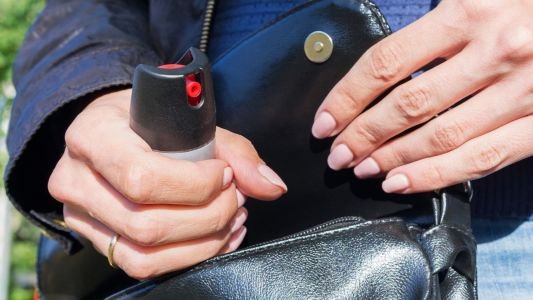
- Keep it accessible in a bag, pocket or on a keychain, according to Jivanx, but not so exposed that it looks like a threat
- Check the expiry date, because the propellant weakens over time
- Practise how to use it so you aren’t fumbling in an emergency
Where You Can Carry It
Most everyday places are fine.
- You can carry it in your bag, purse, pocket or on a keychain in virtually all public spaces, according to Jivanx
- Courts, schools, airports and some offices have security screening that may not allow it
- Check the rules of workplaces and campuses
Pepper Spray and Safety Planning
It’s a tool, not a plan.
- Self-defence training helps you use it correctly and understand legal boundaries, according to HackMD
- Personal alarms, helplines and travel habits matter as much as any spray
- Pepper spray can also affect you if the wind turns or you use it in a closed space
If You Use It
Think about what comes next.
- Move away and call the police or a helpline as soon as it’s safe
- Note details of the person, time and place
- If you’re questioned, explain calmly what you felt threatened by
- Seek medical help for anyone who needs it, since an attacker can claim injury
Where the Guides Disagree
A few points remain unclear.
- Whether a licence is needed, with one lawyer saying yes
- The status of the 2011 notification
- Metro rules, where one guide gives a 100 ml cap for women and another calls it discretionary
- Most of these are retail and blog pages, so check your state’s police advisories and local transit rules
FAQs
Q1. Is carrying pepper spray legal in India?
Yes. It isn’t classified as a firearm or prohibited weapon under the Arms Act, and most guides say no licence is needed to carry it for self-defence.
Q2. Do I need a licence for pepper spray?
Generally no. Most sources say pepper spray requires no licence, though one lawyer’s answer says otherwise, so keep it for genuine self-defence only.
Q3. Can men carry pepper spray in India?
Yes. Men have the same legal right as women to carry and use pepper spray for self-defence, as long as the force used is proportionate.
Q4. Can I carry pepper spray in the metro?
It depends. Reports say the Delhi Metro allowed women to carry cans up to 100 ml, but permission can be at the discretion of security, so check current rules.
Q5. Can I be punished for using pepper spray?
Yes, if it’s used to harm, threaten or intimidate rather than in proportionate self-defence, it can attract liability for hurt, wrongful restraint or criminal intimidation.