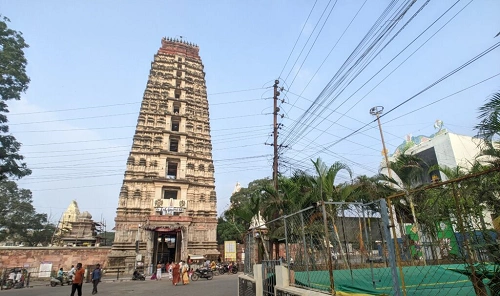
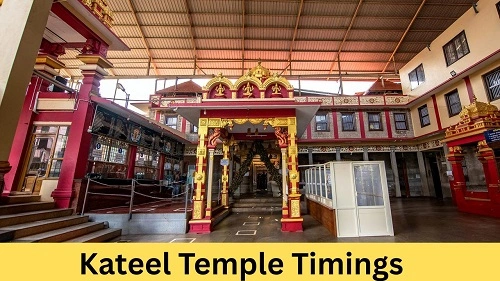
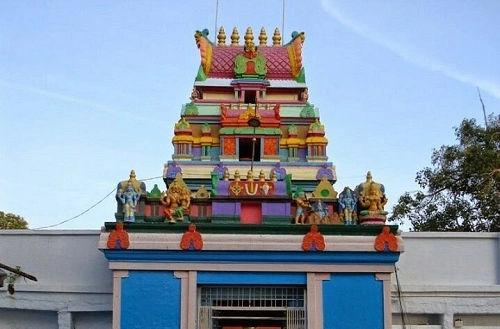
Chilkur Balaji Temple is one of the most unique temples in Hyderabad, India. Dedicated to Lord Venkateswara, this shrine is famously known as the “Visa Balaji Temple” because thousands of devotees visit seeking success in overseas travel, studies, and career opportunities.
What truly sets Chilkur apart is its simplicity. There is no hundi (donation box), no VIP darshan, and no paid entry. Every devotee stands in the same queue. The temple has maintained this tradition for decades, focusing purely on faith rather than commercialization.
Surrounded by greenery and away from city noise, Chilkur offers a calm spiritual environment. People from Telangana, Andhra Pradesh, and beyond come here to perform pradakshinas (circumambulations) with deep belief. Many return later to complete thanksgiving rounds after their wishes are fulfilled.
Below is a complete visitor guide covering timings, rituals, travel options, and essential rules.
Daily Chilkur Balaji Temple Timings
The temple usually opens early morning and closes by evening, with a short afternoon break.
| Darshan / Activity | Morning Timing | Evening Timing |
| Temple Opening | 5:00 AM | — |
| Morning Darshan | 5:00 AM – 1:00 PM | — |
| Afternoon Break | 1:00 PM – 4:00 PM | Temple Closed |
| Evening Darshan | — | 4:00 PM – 8:00 PM |
| Temple Closing | — | 8:00 PM |
Note: On festival days and heavy-rush weekends, the afternoon break may be shortened or skipped.
History and Spiritual Significance of Chilkur Balaji Temple
The temple is believed to be over 500 years old and is dedicated to Lord Venkateswara (Balaji). Over time, devotees began associating Chilkur with wish fulfillment, especially for visas and foreign opportunities — hence the popular nickname.
Unlike most major temples, Chilkur strictly avoids donations and special privileges. The priests repeatedly emphasize that sincere prayer matters more than money, making this shrine deeply respected for its integrity.
The Famous Ritual – Pradakshinas
Chilkur Balaji is world-famous for its unique vow system:
The Wish Ritual
- Perform 11 pradakshinas around the inner shrine while making your wish.
The Thanksgiving Ritual
- Once your wish is fulfilled, return to perform 108 pradakshinas as gratitude.
There is no ticket or fee for these rounds.
Completing 108 rounds usually takes 1.5 to 3 hours, depending on crowd and walking pace.
Best Time to Visit Chilkur Balaji Temple
Best Season
October to March offers pleasant weather, especially helpful for long pradakshina walks.
Best Days
Monday to Thursday are calmest.
Weekends
Friday to Sunday are extremely crowded, sometimes crossing 1 lakh visitors per day. If visiting on weekends, arrive by 5:00 AM.
Festival Days
Vaikuntha Ekadashi and Brahmotsavam attract massive crowds and long waiting times.
How to Reach Chilkur Balaji Temple
By Road – About 30 km from Hyderabad city center, near Mehdipatnam. TSRTC buses such as 288D run directly to the temple.
By Train – Nearest major station: Hyderabad Deccan Railway Station, around 26 km away.
By Air – Nearest airport: Rajiv Gandhi International Airport, roughly 28 km away via ORR.
Autos, cabs, and buses are easily available from all points.
Best Hotels Near By Chilkur Balaji Temple
Most visitors stay in Hyderabad:
- Hotel Minerva Grand
- Lemon Tree Hotel Gachibowli
- Treebo Trend Fort Club
Tips for Visitors and Dress Code
Dress Code
Any modest, decent clothing is acceptable. Traditional wear is preferred, but formal western clothes are allowed. Avoid shorts or revealing outfits.
Important Rules
- No hundi — do not give money to anyone
- No VIP or special darshan
- No mobile phones or cameras inside inner temple
- Electronics can be left in vehicles or counters
Other Tips:
- Carry water if doing 108 rounds
- Visit early on weekends
- Maintain silence during pradakshinas
FAQs
Q: Is darshan free?
A: Yes. There are no entry fees.
Q: Are pradakshinas compulsory?
A: No, but most devotees follow the 11/108 round tradition.
Q: How long does darshan take?
A: On weekdays, 20–40 minutes. Weekends can take several hours.
Q: Is photography allowed?
A: Only outside the temple complex. Inside is strictly prohibited.