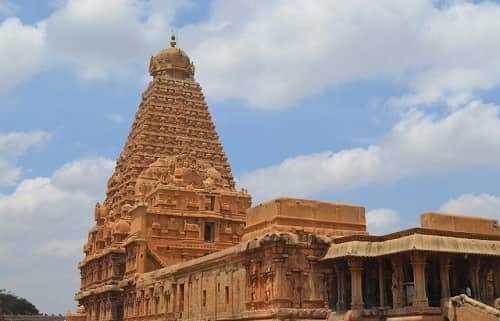
The Arulmigu Jambukeswarar Akhilandeswari Temple located in Thiruvanaikaval, near Tiruchirappalli, is one of the most important temples dedicated to Shiva in South India.
This temple is one of the Pancha Bhoota Sthalams, the five major temples representing the five elements of nature. Jambukeswarar Temple represents the element Water (Appu). The Shiva Lingam here is surrounded by a natural underground spring that continuously flows beneath the sanctum, making the temple spiritually unique.
The temple is also closely associated with Akhilandeswari, the divine consort of Lord Shiva. Devotees believe that worshipping both Jambukeswarar and Akhilandeswari brings peace, prosperity, and spiritual growth.
Built by the early Chola dynasty and expanded by later rulers, the temple is famous for its impressive architecture, vast corridors, and sacred rituals that have been performed here for centuries.
1. Daily Jambukeswarar Temple Timings
The temple follows a split schedule for morning and evening darshan.
Daily Darshan Schedule
| Session | Opening Time | Closing Time |
| Morning Darshan | 5:30 AM | 1:00 PM |
| Evening Darshan | 3:00 PM | 9:00 PM |
Temple Break
The temple is generally closed between 1:00 PM and 3:00 PM for temple rituals and maintenance.
Weekend Timings
On auspicious days and weekends, particularly Friday to Sunday, the temple may remain open longer and sometimes close around 10:00 PM depending on the crowd.
2. Daily Pooja and Ritual Schedule
Several sacred rituals are performed throughout the day inside the temple.
Important Pooja Timings
| Ritual | Timing | Significance |
| Ushakkala Pooja | 6:30 AM – 7:30 AM | Early morning worship |
| Kaalasandhi Pooja | 8:00 AM – 8:45 AM | Morning temple ritual |
| Uchikkala Pooja | 11:00 AM – 12:00 PM | Unique ritual performed as Goddess Parvati |
| Sayaraksha Pooja | 5:00 PM – 5:45 PM | Evening prayers |
| Ardhajama Pooja | 9:00 PM | Final night ritual |
The Unique Uchikkala Pooja
One of the most special rituals at this temple is the Uchikkala Pooja.
During this ceremony, the temple priest dresses as Goddess Parvati and performs worship for Lord Shiva. This ritual symbolizes the legend of Parvati performing penance at this location.
Many devotees specifically visit the temple to witness this unique ritual.
3. History and Spiritual Significance
The origin of the temple is deeply connected to a fascinating legend involving an elephant and a spider.
The Elephant and the Spider
According to temple mythology, both an elephant and a spider worshipped the Shiva Lingam in the forest where the temple stands today.
The spider built a web over the Lingam to protect it from leaves and sunlight. The elephant, unaware of the spider’s devotion, would pour water on the Lingam daily and clear the web.
This conflict eventually led to both creatures dying during a struggle.
The Rebirth of the Spider
Lord Shiva granted liberation to the elephant, while the spider was reborn as Kochenga Chola, a famous Chola king.
Remembering the conflict from his previous life, the king built the sanctum entrance in such a way that elephants could not enter it.
This narrow entrance design still exists today.
4. Architectural Significance
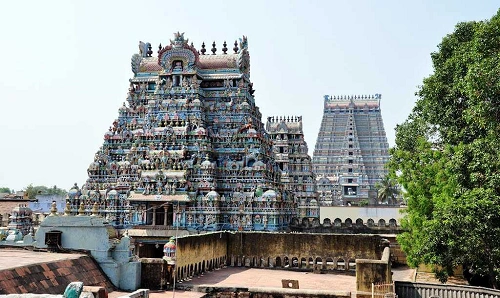
Jambukeswarar Temple is a classic example of Dravidian temple architecture.
Massive Temple Complex
The temple complex covers more than 18 acres and includes:
- Five concentric temple enclosures (prakaram)
- Massive stone corridors
- Towering gopurams.
The Water Lingam
The Shiva Lingam in the sanctum is known as the Appu Lingam.
An underground spring constantly fills water around the Lingam, symbolizing the water element among the Pancha Bhoota temples.
Even during extreme summer months, water can still be seen around the Lingam.
Akhilandeswari Shrine
The temple also houses a powerful shrine of Goddess Akhilandeswari.
According to tradition, Adi Shankaracharya pacified the fierce energy of the goddess by placing Sri Chakra earrings (Tatankas) on her idol.
These earrings are still part of the goddess’s sacred ornamentation today.
5. Major Festivals in 2026
Panguni Brahmotsavam – March to April 2026
This is the largest festival celebrated at the temple.
The festival lasts about 40 days and includes grand chariot processions and cultural events.
Aadi Pooram – July / August 2026
This festival is dedicated to Goddess Akhilandeswari.
Thousands of devotees visit the temple during this period.
Thai Poosam – January / February
A special float festival known as Theppotsavam is conducted during this time.
6. Best Time to Visit Jambukeswarar Temple
Ideal Season
The best months to visit are October to March, when the weather is pleasant.
Festival Season
March and April are especially vibrant due to the Panguni Brahmotsavam celebrations.
Best Darshan Time
Early morning 5:30 AM – 7:30 AM is the most peaceful time for darshan.
7. Dress Code and Visitor Guidelines
Traditional attire is recommended when visiting the temple.
For Men
- Dhoti or Veshti
- Formal trousers
For Women
- Saree
- Salwar Kameez with dupatta
Modest clothing is encouraged to maintain temple decorum.
Temple Rules
- Photography is prohibited inside the sanctum.
- Footwear must be left outside the temple entrance.
- Visitors should maintain silence inside prayer halls.
8. How to Reach Jambukeswarar Temple
The temple is located very close to the city of Tiruchirappalli.
By Air
Nearest airport: Tiruchirappalli International Airport
Distance: about 15 km from the temple.
By Train
Nearest railway station: Tiruchirappalli Junction
Distance: around 7 km.
By Road
The temple is well connected by buses and taxis from Trichy.
Distance from nearby cities:
- Trichy – 7 km
- Thanjavur – 60 km
- Madurai – 135 km
9. Nearby Attractions
Srirangam Temple
Just 3 km away, the famous Sri Ranganathaswamy Temple is one of the largest temple complexes in India.
Many pilgrims visit both temples on the same day.
Rockfort Temple
Located in Trichy city, this historic temple sits atop a massive rock hill and offers beautiful views of the city.
FAQs
Q1. What element does Jambukeswarar Temple represent?
Ans: It represents the Water element among the Pancha Bhoota temples.
Q2. What is the special ritual in this temple?
Ans: The Uchikkala Pooja, where the priest performs worship dressed as Goddess Parvati.
Q3. How long does darshan take?
Ans: Typically 30–60 minutes on normal days.
Q4. Is the Shiva Lingam always surrounded by water?
Ans: Yes, the underground spring keeps water flowing around the Lingam throughout the year.