Is changing a phone’s IMEI number legal in India? No: Section 42(3)(c) of the Telecommunications Act, 2023 prohibits tampering with telecommunication identifiers, which includes a handset’s 15-digit IMEI, and the Department of Telecommunications has repeatedly warned that violations can bring up to three years in jail, a fine of up to ₹50 lakh or both, as cognizable and non-bailable offences. Even owning or using hardware or software built to change IMEIs is covered. This is general information, not legal advice.
The Rule at a Glance
- The offence: intentionally removing, obliterating, changing or altering a mobile device’s unique IMEI
- Also covered: using, producing, trafficking in, or possessing hardware or software configured for that purpose
- Punishment: up to three years’ imprisonment, a fine of up to ₹50 lakh, or both
- Status: cognizable and non-bailable under Section 42(7)
- Who else is liable: anyone who abets or promotes it, under Section 42(6)
What the Act Says
The law is now in the Telecommunications Act, 2023.
- Section 42(3)(c) prohibits tampering with telecommunication identifiers, including the IMEI of mobile phones and other devices, according to the DoT advisory
- Section 42(3)(e) separately bars obtaining SIM cards or other identifiers through fraud, cheating or impersonation
- Varindia reports that Section 42(3)(f) makes possession of devices with tampered identifiers an offence, although the DoT text I could read cuts off before completing that clause
- Section 42(6) gives identical punishment to those who abet or promote the offences, according to the same DoT document
The Cyber Security Rules
A second instrument sharpens it.
- The Telecommunications (Telecom Cyber Security) Rules, 2024 prohibit altering IMEI numbers and making, possessing or using any device for IMEI manipulation or configuration, according to Zee Business
- It shall be unlawful to intentionally remove, obliterate, change or alter the unique device identification number, or to intentionally use, produce, traffic in, have control of or possess hardware or software knowing it has been configured to do so, according to Hindu Dayashankar’s summary of the rules
Programmable IMEI Devices
The warnings extend beyond phones.
- The DoT advisory says that using devices capable of programmable IMEIs tantamount to tampering and attracts the provisions of the Act and the 2024 Rules, according to Business Standard
- It also advises against using, procuring or assembling modems, modules, SIM boxes and other equipment with configurable or tampered IMEI numbers, according to Blitz India Media
- So the risk covers people who build or run equipment, not just individuals who change a handset’s number
Recent Warnings
The government keeps repeating it.
- The DoT cautioned citizens in November 2025 about the consequences of IMEI tampering, according to Business Standard
- It repeated the warning in September 2026, according to Blitz India Media and Social News XYZ
- The repeated advisories suggest enforcement attention is rising, but I found no sourced figure for prosecutions
Why the State Cares
The IMEI is a network safeguard.
- The government says it mandates strict IMEI registration and prohibits tampering to secure telecom networks and prevent counterfeit devices, according to the DoT advisory quoted by Business Standard
- A phone’s IMEI identifies it on the network and lets authorities block stolen handsets, so a changed number defeats that, according to Zee Business
- Tampering can make it hard to identify a device on a telecom network, according to the same article
- A phone with a cloned or changed IMEI can also be linked to fraud, which is why the Rules bundle it with SIM misuse
The Stolen-Phone Link
This is the main real-world driver.
- Citizens whose phones are stolen are told to get a duplicate SIM from their operator, then file a blocking request on the Sanchar Saathi (CEIR) portal or app with a police report and ID proof, according to Social News XYZ
- Because Sanchar Saathi uses OTP verification, victims must wait 24 hours after activation to submit the request, according to the same source
- Changing an IMEI to get a blocked phone working again is exactly what the offence is designed to catch
Checking Your Own Phone
You can verify a handset without any risk.
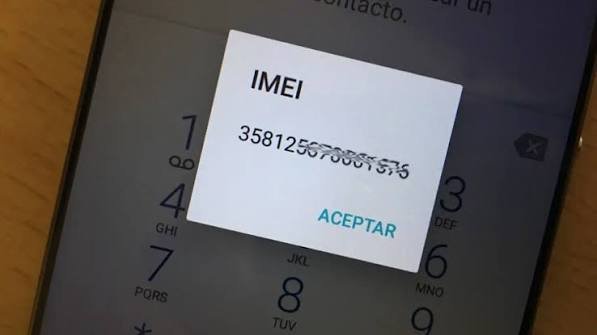
- Dial *#06# to see the IMEI on screen, which is the usual method, though the sources I found describe other checks
- The Sanchar Saathi portal and mobile app let you verify IMEI details, including brand, model and manufacturer, according to the DoT advisory
- You can also send an SMS in the form KYM followed by the 15-digit IMEI to 14422, according to Zee Business
- Check these details before you buy a second-hand phone
Buying Second-Hand Phones
The risk can land on the buyer.
- Purchase mobile devices only from authorised sellers and verify the IMEI details, according to Hindu Dayashankar’s advice, drawn from the government’s guidance
- A phone with a tampered IMEI may be blocked on the network, and possession of such a device is covered by the Act
- Keep the invoice and box with the IMEI printed on it
Repairs and Replacements
A legitimate repair isn’t tampering, but be careful.
- The government advises getting devices repaired only at authorised service centres to reduce the risk of IMEI tampering or other malicious activity, according to Hindu Dayashankar
- My reading, not spelled out in these sources, is that a genuine board or component replacement carried out by an authorised centre, with the correct IMEI registered, isn’t the same as altering an identifier to disguise a device
- An unauthorised repair shop that offers to “change” or “restore” an IMEI is a warning sign
What Counts as a Defence
The sources say little.
- The offences turn on intention and knowledge: the unlawful acts are phrased as intentional, and possession offences require knowing the hardware or software is configured for tampering, according to the Rules as summarised by Hindu Dayashankar
- That suggests an innocent buyer who didn’t know might argue lack of knowledge, but I haven’t seen a case on it, so don’t rely on that
- If you discover that a phone you own has a suspicious IMEI, stop using it and take legal advice
How Courts and Police Treat It
The classification is serious.
- Offences are cognizable, so police can register a case and arrest without a warrant, and non-bailable, so bail is a matter for the court, according to the DoT advisory
- The penalty of up to three years and ₹50 lakh applies to those who commit and those who abet
What To Do If You Own One
A cautious sequence helps.
- Check the IMEI via *#06# and on Sanchar Saathi
- If it doesn’t match the box or shows as blocked, stop using the phone
- Contact the seller and keep records of the purchase
- Visit an authorised service centre for diagnosis
- Seek advice from a lawyer, and consider approaching the police before they approach you
What Not To Do
A few moves make things worse.
- Don’t pay for IMEI “repair” or “changing” services
- Don’t install apps or tools advertised to alter IMEIs
- Don’t buy SIM boxes or modules with configurable IMEIs
- Don’t give your SIM to others, since that’s flagged in the same advisories
Where the Sources Differ
Some details are thin.
- The exact content of Section 42(3)(f), which sources describe differently
- How prosecutions treat unknowing buyers
- Most of the reports repeat one DoT advisory, so there’s little independent detail beyond it
FAQs
Q1. Is changing a phone’s IMEI number legal in India?
No. Section 42(3)(c) of the Telecommunications Act, 2023 prohibits tampering with telecom identifiers, including IMEI, with up to three years in jail and a ₹50 lakh fine.
Q2. Is it a bailable offence?
No. IMEI tampering is cognizable and non-bailable under Section 42(7), and abetting it carries the same punishment under Section 42(6).
Q3. How can I check a phone’s IMEI?
Dial *#06#, use the Sanchar Saathi portal or app, or send an SMS “KYM” followed by the 15-digit IMEI to 14422.