The short answer: no, you cannot buy, import, or register a left-hand drive (LHD) car for ordinary personal use in India. India runs on left-hand traffic, meaning vehicles are built as right-hand drive (RHD) with the driver sitting on the right side of the car. This isn’t a minor technicality or a matter of tradition — it’s baked directly into both traffic law and road design, and there’s a specific legal provision that deals with LHD vehicles explicitly.
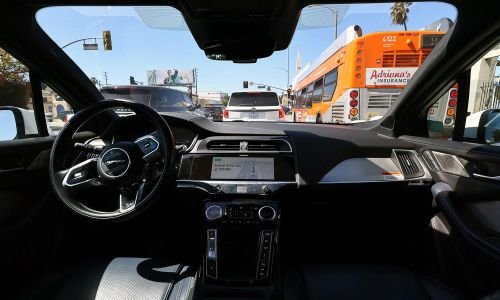
The Specific Law: Section 120 of the Motor Vehicles Act, 1988
Unlike some of the gray-area topics people search for, LHD vehicles are actually addressed head-on by name in Indian law. Section 120 of the Motor Vehicles Act, 1988, titled “Vehicles with left-hand control,” states that no person shall drive or allow an LHD vehicle to be driven in any public place unless it meets specific, narrow conditions laid down by the relevant authority.
In practice, this means LHD vehicles aren’t blanket-banned by name, but they’re restricted to special, permitted circumstances only, not available as a general registration category the way an RHD vehicle is.
Why India Requires Right-Hand Drive
This isn’t arbitrary — it comes down to basic road safety logic tied to how Indian traffic actually flows:
- India follows left-hand traffic (LHT), meaning vehicles drive on the left side of the road, and overtaking happens from the right.
- In a properly designed RHD car, the driver sits on the right side, giving them a clear, direct view of oncoming traffic and the road ahead while overtaking.
- In an LHD car driven on Indian roads, the driver sits on the left — the side furthest from oncoming traffic and the overtaking lane — creating a serious blind-spot problem exactly where visibility matters most.
- Beyond driver positioning, things like headlight beam patterns are also designed for a specific traffic direction; an LHD car’s headlights are angled to illuminate the right side of the road (correct for right-hand traffic countries), which would dazzle oncoming traffic and poorly illuminate the road shoulder on India’s left-hand traffic system.
The government’s stated rationale, reflected across import and registration policy, is to maintain homogeneous traffic flow and minimize accidents — mixing LHD and RHD vehicles at scale on the same roads genuinely increases collision risk.
The Narrow Legal Exceptions
LHD vehicles aren’t entirely banished from Indian roads. A small number of specific situations are permitted, generally requiring explicit government or RTO approval:
- Diplomatic vehicles. Foreign embassies and diplomatic missions are sometimes permitted to operate LHD vehicles under special arrangements.
- Foreign tourists temporarily driving their own vehicles into India (such as under international touring permits) may be allowed to use their LHD vehicle for the duration of that specific, temporary visit.
- Testing and manufacturer purposes. Automakers like Tata, Mahindra, or Maruti Suzuki, who may build LHD variants for export to other countries, can operate LHD test vehicles under controlled, special permissions — this isn’t the same as a private citizen owning one.
- Special RTO permission with mandatory signage. Where permission is specifically granted, the vehicle must prominently display a “Left Hand Drive” sign on both the front and rear of the vehicle, alerting other road users to the unusual configuration.
None of these exceptions translate into a path for an ordinary Indian citizen to simply buy or register an LHD car for daily personal use — they’re narrow, specifically authorized use cases.
What About Importing an LHD Car?
This is where people get most confused, since “import” and “personal registration” are often conflated. Here’s how it actually breaks down:
- Under India’s import policy, a new vehicle imported into India must generally be right-hand drive. If you’re importing a new car, it typically needs to be converted to RHD before (or as a condition of) import — only manufacturers themselves have realistic pathways to bring in LHD units, and even then it’s for very specific purposes, not general retail sale.
- For used car imports, similarly strict rules apply: the vehicle generally must be RHD, must be imported through one of a small number of designated ports (historically Mumbai, Chennai, or Kolkata), must not be older than a specified age limit (commonly cited around 3 years for used imports), and must pass compliance testing through an agency like the Automotive Research Association of India (ARAI).
- Technically, you can import an LHD car into India, but the process is described by multiple sources as highly restrictive, expensive, and not realistically intended for long-term personal use. You’d be facing customs duties that can exceed 100% of the car’s value, plus the near-certainty that permanent registration for private use will simply be denied.
- The Central Motor Vehicle Rules (CMVR) effectively make permanent registration of an LHD vehicle for ordinary private use a non-starter, with approval considered “highly improbable” outside the exceptions listed above.
What Happens If You Try to Register or Drive One Anyway
If someone attempts to use an unregistered or improperly registered LHD vehicle on Indian public roads:
- The vehicle can be deemed to be operating in violation of the Motor Vehicles Act, since Section 120 specifically restricts LHD use outside approved conditions.
- This can lead to fines, seizure of the vehicle, and further legal action, the same consequences that apply broadly to operating any vehicle outside its legally permitted registration status.
- Beyond the legal risk, there’s a genuine, practical safety argument against it — the visibility and overtaking issues described above aren’t theoretical, they reflect a real mismatch between the vehicle’s design and the direction of Indian traffic.
The Bottom Line
Left-hand drive vehicles are not legal for ordinary personal use, purchase, or long-term registration in India. The country’s left-hand traffic system is built entirely around right-hand drive vehicles, and the law (Section 120 of the Motor Vehicles Act) reflects this by restricting LHD use to narrow, specifically approved circumstances — diplomatic vehicles, temporary foreign tourist use, manufacturer testing, or special RTO-permitted cases requiring visible “Left Hand Drive” signage. If you’re hoping to import or register an LHD car as a personal vehicle for daily use, the realistic answer is that the system is deliberately designed to make this extremely difficult, if not practically impossible, outside those specific exceptions.
Frequently Asked Questions
Q1. Can a foreign tourist drive their own left-hand drive car into India on a road trip?
A: In certain cases, yes — foreign tourists bringing their own vehicle under specific international touring/carnet arrangements may be permitted to use it temporarily, but this is a time-limited exception, not a path to permanently registering an LHD car in India.
Q2. If I buy a left-hand drive car from abroad, can I at least import it and convert it to right-hand drive myself?
A: Converting a vehicle from LHD to RHD after import isn’t a straightforward or widely recognized legal pathway for private individuals — import rules generally require the vehicle to already meet RHD and compliance standards before registration, and informal post-import conversions carry their own legal and safety certification hurdles.
Q3. Are there any Indian-made cars sold as left-hand drive within India?
A: No — Indian manufacturers build LHD variants specifically for export to countries that drive on the right, not for domestic sale; any LHD units in India are generally limited to testing, manufacturer, or diplomatic contexts rather than retail availability.
Q4. Is it just an Indian rule, or do other left-hand-traffic countries also restrict LHD vehicles this way?
A: This isn’t unique to India — most countries with left-hand traffic systems impose similar restrictions on left-hand drive vehicles for the same safety reasons (driver positioning and headlight design mismatched to the traffic direction), making this a globally consistent road-safety principle rather than an India-specific peculiarity.