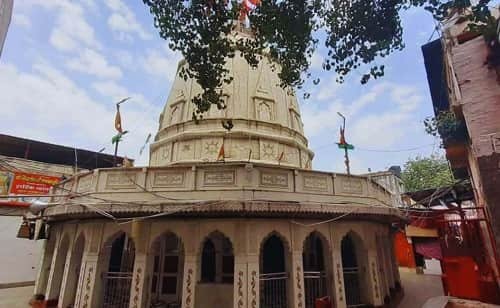
The Shri Kalkaji Mandir, located in New Delhi, is one of North India’s most powerful Shakti shrines. Dedicated to Goddess Kali, the temple is lovingly called Manokamna Siddha Peeth—a place where heartfelt wishes are believed to come true.
This ancient shrine holds immense emotional and spiritual importance for Delhi devotees. From early morning prayers to intense evening aartis, Kalkaji Mandir remains alive with chants, bells, and the steady flow of pilgrims throughout the day.
According to tradition, the Goddess here is Swayambhoo (self-manifested), and the site is associated with the Pandavas of the Mahabharata era. Over centuries, rulers and devotees alike have expanded and protected the temple, shaping it into the powerful spiritual landmark seen today.
If you’re planning a visit in 2026, here’s a complete guide covering timings, rituals, history, travel tips, and the latest visitor guidelines.
Daily Kalkaji Temple Timings
The temple remains open for nearly 19 hours daily, though the inner sanctum briefly closes for cleaning and offerings.
| Activity | Timing |
| Temple Opening | 4:00 AM |
| Bhog Break (Closed) | 11:30 AM – 12:00 PM |
| Cleaning Break (Closed) | 3:00 PM – 4:00 PM |
| Temple Closing | 11:30 PM |
Festival Note: During Navratri, the temple often operates 24 hours due to massive pilgrim turnout.
Aarti and Ritual Schedule
Experiencing the aarti at Kalkaji is intense and deeply moving, filled with rhythmic bells and devotional energy.
- Ganesh Vandana: 5:00 AM
Mangala Aarti (Morning):
- Winter: 6:00 AM – 7:30 AM
- Summer: 5:00 AM – 6:30 AM
- Bhog Aarti (Noon): 12:00 PM
- Evening Ganesh Vandana: 7:00 PM
Sandhya Aarti (Evening):
- Winter: 6:30 PM – 8:00 PM
- Summer: 7:00 PM – 8:30 PM
- Shayan Aarti (Night): 10:30 PM
- Sajja Offering (Final Ritual): 11:30 PM
Early morning and evening aartis are the most popular.
History and Significance
Ancient Roots
Local belief traces the temple back to Satya Yuga. It is also referenced in Mahabharata traditions, where the Pandavas are said to have worshipped here after the Kurukshetra war.
Present Structure
Much of today’s eight-sided brick temple was built in 1764 by the Marathas and later expanded in 1816 by Mirza Raja Kidar Nath.
Shakti Peetha Belief
It is widely believed that Goddess Sati’s right foot fell at this location, making Kalkaji one of Delhi’s most important Shakti centers.
The sanctum itself is modest, but the spiritual charge of the place is unmistakable.
New Dress Code Guidelines (2026)
To preserve sanctity, the temple has strictly enforced Sattvic attire rules:
Not Allowed
- Mini-skirts
- Short dresses
- Ripped jeans
- Night suits
- Bermuda shorts / half pants
Recommended
- Saree
- Salwar Kameez
- Kurta–Pyjama
- Dhoti–Kurta
Devotees in unsuitable western clothing may be restricted to darshan from outside the main gates.
Best Time to Visit Kalkaji Mandir
Ideal Season
October to March offers the most comfortable weather in Delhi.
Spiritual Peak
Sharad Navratri and Chaitra Navratri bring extraordinary energy—but also very long queues.
Peaceful Darshan
Weekday mornings between 5:00 AM and 7:30 AM are best for a quieter experience.
Avoid late evenings on weekends if you dislike crowds.
How to Reach Kalkaji Mandir
- By Metro – Kalkaji Mandir Metro Station is an interchange for the Violet and Magenta Lines. The temple is a 5-minute walk from Exit Gate.
- By Road – Located on Maa Anandmayee Marg near Nehru Place. Easily accessible by DTC buses, autos, and taxis.
- By Air – Nearest airport: Indira Gandhi International Airport (about 15 km).
Tips for Visitors
- General darshan is free
- VIP darshan (₹150–₹300) is usually available during festivals only (offline counters)
- Mobile phones and photography are prohibited inside the sanctum
- Footwear stands and small lockers are available near the entrance
- Carry small change for offerings
- Keep personal belongings minimal during Navratri crowds
FAQs
Q. Is there an entry fee?
Ans: No. General darshan is completely free.
Q. Is VIP darshan available?
Ans: Yes, mainly during Navratri and peak days. Tickets are sold on-site.
Q. Is photography allowed?
Ans: Only in the outer complex. Strictly forbidden inside the sanctum.
Q. Are lockers available?
Ans: Yes, small lockers and footwear counters are provided near the gates.