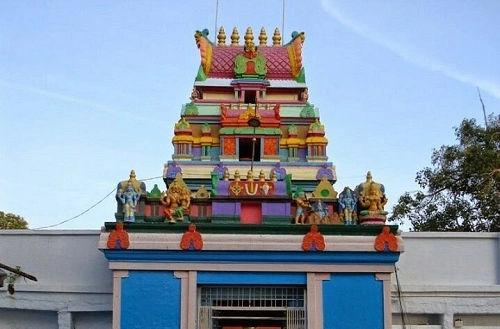
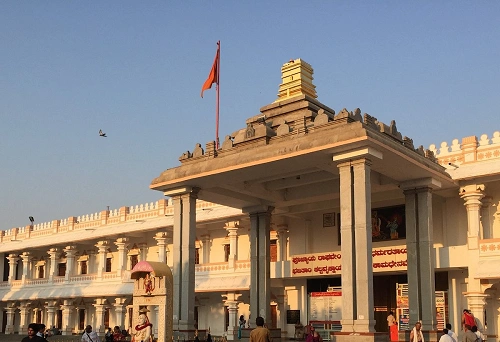
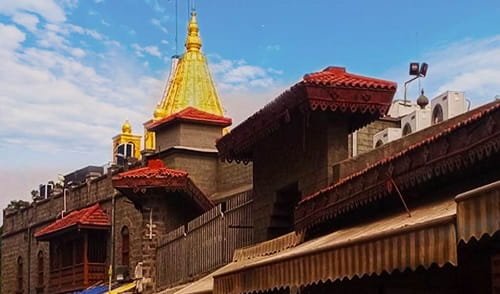
The sacred town of Melkote in Karnataka is one of the most important Vaishnavite pilgrimage centers in South India. Located about 50 km from Mysuru, this ancient temple town sits quietly on the hills of Mandya district and carries deep spiritual and historical importance.
Melkote is home to two famous temples dedicated to Lord Vishnu — the revered Cheluvanarayana Swamy Temple at the base of the hill and the powerful Yoga Narasimha Temple located on the top of Yadavagiri Hill.
The main deity Cheluvanarayana Swamy is believed to have been worshipped by the great philosopher-saint Ramanujacharya during the 12th century. According to tradition, he stayed in Melkote for many years and played a key role in restoring temple worship.
Melkote is also famous for the Vairamudi crown, a diamond-studded ornament that is placed on the deity only once every year during the grand Vairamudi Brahmotsavam festival. Devotees from across India gather here to witness this rare and sacred event.
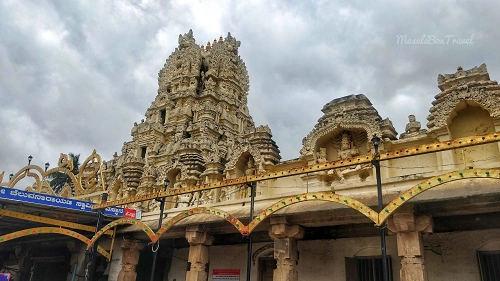
1. Cheluvanarayana Swamy Temple Timings
The Cheluvanarayana Swamy Temple is the main shrine of Melkote and receives the largest number of pilgrims. The temple is famous for its sacred jewels, especially the legendary Vairamudi crown which is believed to be protected by divine powers.
Darshan Schedule
| Session | Weekdays (Mon–Fri) | Weekends (Sat–Sun) & Holidays |
| Morning Darshan | 7:30 AM – 1:00 PM | 7:30 AM – 1:30 PM |
| Afternoon Break | 1:00 PM – 4:00 PM | 1:30 PM – 3:30 PM |
| Evening Darshan | 4:00 PM – 6:00 PM | 3:30 PM – 6:00 PM |
| Late Evening Darshan | 7:00 PM – 8:00 PM | 7:00 PM – 8:00 PM |
The temple remains closed during the afternoon break while priests perform rituals and offer food (naivedya) to the deity.
Devotees usually prefer the early morning darshan when the temple atmosphere feels calm and spiritually uplifting.
2. Yoga Narasimha Temple Timings (Hilltop Temple)
The Yoga Narasimha Temple sits on top of Yadavagiri Hill overlooking the town of Melkote. The temple is dedicated to Lord Narasimha, the fierce avatar of Lord Vishnu.
Reaching the temple involves climbing around 400 stone steps. However, a motorable road allows vehicles to reach halfway up the hill, leaving only about 150–200 steps to climb.
Darshan Schedule
| Session | Weekdays (Mon–Fri) | Weekends (Sat–Sun) & Holidays |
| Morning Darshan | 9:30 AM – 1:30 PM | 11:00 AM – 2:00 PM |
| Pooja / Abhisheka | 9:00 AM – 11:00 AM | 9:00 AM – 11:00 AM |
| Evening Darshan | 5:30 PM – 8:00 PM | 5:00 PM – 8:00 PM |
The hilltop temple offers breathtaking views of the surrounding countryside, especially during sunrise and sunset.
Many pilgrims visit the Narasimha temple first before coming down to the Cheluvanarayana temple for darshan.
3. Vairamudi Brahmotsavam Festival (March–April 2026)
The biggest festival in Melkote is the Vairamudi Brahmotsavam, a 13-day annual celebration that attracts lakhs of devotees.
The highlight of this festival is the Vairamudi Utsava. During this ceremony, the Cheluvanarayana Swamy idol is adorned with the sacred diamond crown known as the Vairamudi.
This crown is kept under strict security and tradition states that it can only be handled by temple priests during the festival.
During the Vairamudi procession, the deity is taken out in a grand procession through the streets of Melkote. Devotees gather in huge numbers to witness the divine sight.
Because of the massive crowds during this time, temple darshan hours are often extended until 10:30 PM or even 11:00 PM.
Waiting times can range from 2 to 5 hours on the main festival day.
4. Melkote Puliyogare – The Famous Temple Food
One of the most famous traditions of Melkote is its legendary Puliyogare (tamarind rice).
This dish is prepared using a unique spice mixture that has been preserved for centuries. The recipe is considered sacred and is associated with the temple kitchen.
Pilgrims often take this prasadam home because of its distinctive taste and long shelf life.
Even today, many visitors say that Melkote Puliyogare tastes different from any other version found in South India.
5. Visitor Tips and Important Guidelines
Visiting Melkote can be a deeply spiritual experience, but a few practical tips will make the journey easier.
Dress Code
- Traditional clothing is strongly encouraged inside the temples.
Men
- Must remove shirts and vests before entering the inner sanctum
- Dhoti or formal trousers are preferred
Women
- Saree
- Salwar Kameez with dupatta
Wearing modest clothing helps maintain the traditional atmosphere of the temple.
Best Time to Climb the Hill
If you plan to visit the Yoga Narasimha temple, avoid climbing during midday.
The stone steps can become extremely hot under the March sun.
The best time to climb is:
- Before 9:00 AM
- After 5:00 PM
Early mornings also provide a beautiful view of the sunrise over the hills.
Beware of Monkeys
The hilltop area has many bold macaques.
Visitors should keep the following items safely inside bags:
- Mobile phones
- Spectacles
- Food items
- Plastic covers
Monkeys often grab visible objects from unsuspecting pilgrims.
Photography Rules
Photography is strictly prohibited inside the sanctum areas of both temples.
However, visitors can take photos outside the temple structures and around the hill areas.
Final Thoughts
Melkote is not just a temple destination — it is a place where history, devotion, and ancient traditions blend together beautifully.
The combination of the Cheluvanarayana Swamy Temple at the base and the Yoga Narasimha Temple on the hill creates a unique pilgrimage experience. Add to that the grandeur of the Vairamudi festival and the spiritual legacy of Ramanujacharya, and Melkote becomes one of the most meaningful Vaishnavite sites in South India.
If you plan your visit during the early morning hours, you can enjoy peaceful darshan, scenic views from the hilltop temple, and the unforgettable taste of Melkote’s famous Puliyogare prasadam.
For devotees and travelers alike, Melkote offers a quiet yet powerful spiritual journey that remains memorable long after the visit ends.