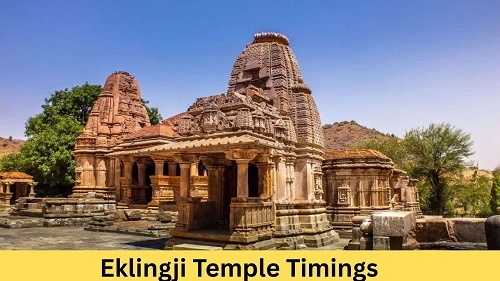
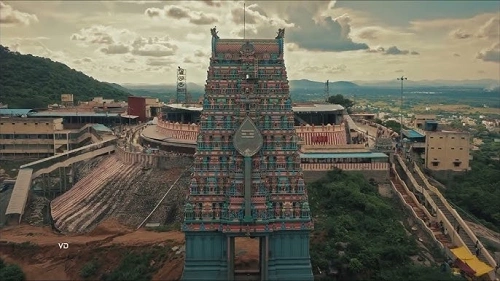
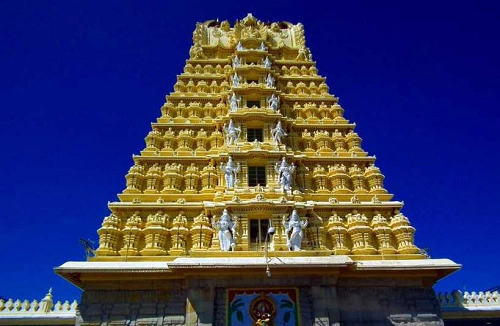
Mahanandi Temple, located in the Kurnool region of Andhra Pradesh, is one of South India’s most ancient Shiva shrines. Dedicated to Lord Shiva, this temple holds a special place in Shaiva tradition as the foremost of the Nava Nandis—nine sacred temples connected to Nandi, Shiva’s divine vehicle.
What truly sets Mahanandi apart is its miraculous perennial water springs. Clear, gentle water flows directly from beneath the Swayambhu Shiva Linga into beautifully maintained stone tanks. Remarkably, this water remains cool in summer and warm in winter, a natural phenomenon that has fascinated devotees and historians for centuries.
Surrounded by the foothills of the Nallamala forests, Mahanandi offers a rare blend of spirituality and nature. Pilgrims traditionally begin their visit with a holy dip in the temple Pushkarni before entering for darshan, believing this cleanses both body and mind. Even today, the temple preserves a calm, village-like atmosphere—far removed from the chaos of larger pilgrimage centers.
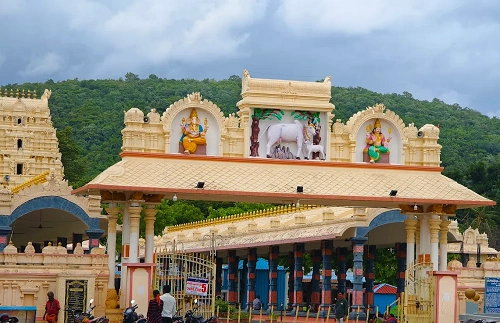
Daily Mahanandi Temple Timings
As of 2026, the temple remains open for nearly 15 hours every day, allowing ample time for ritual baths and darshan.
| Activity | Timing |
| Temple Opening | 4:30 AM |
| Suprabhatha Seva | 5:00 AM – 5:30 AM |
| Sthanika Abhishekam | 5:30 AM – 6:00 AM |
| Morning Darshan (Sarvadarshan) | 6:00 AM – 1:00 PM |
| Afternoon Break (Temple Closed) | 1:00 PM – 2:00 PM |
| Evening Darshan | 2:00 PM – 9:00 PM |
| Temple Closing | 9:30 PM |
Special note: On Mondays and major occasions like Maha Shivaratri, the temple often stays open continuously, sometimes through the night.
Abhisheka and Ritual Timings
Mahanandi is unique because devotees can closely witness many rituals, and in some cases participate under priestly guidance.
- Mahamangala Harathi: 6:00 AM
- Main Abhishekam: 6:30 AM – 12:30 PM (Morning session)
- Laghunyasa Abhishekam: 6:00 PM – 8:30 PM (Evening session)
- Mahanyasa Purvaka Ekadasa Rudrabhishekam: Conducted during both morning and evening Abhisheka slots
These Abhishekas are considered especially powerful for health, peace of mind, and relief from long-standing problems.
History and Architecture of Mahanandi Temple
The origins of Mahanandi trace back to between the 7th and 10th centuries, with contributions from early Chalukya rulers, local Nanda chiefs, and later the Vijayanagara kings.
Key Highlights
- The Shiva Linga: The main deity is Swayambhu (self-manifested), appearing as a natural stone with two small depressions resembling a cow’s hoof—symbolizing divine origin.
- Sacred Springs: Water flows from beneath the Linga into several Pushkarnis, maintaining a constant depth of about five feet.
- Temple Design: The complex reflects classic South Indian stone architecture, with pillared halls, a modest gopuram, and open courtyards that feel deeply meditative.
Traditionally, devotees attempt the Nava Nandi Yatra, visiting all nine Nandi temples in the region between sunrise and sunset—a spiritually intense one-day pilgrimage.
Best Time to Visit Mahanandi Temple
Ideal Months
October to March offers pleasant weather for temple darshan and exploring the surrounding forested hills.
Peak Spiritual Periods
- Maha Shivaratri (Feb/March): Largest crowds, night-long worship
- Kartika Masam (Nov/Dec): Highly auspicious month for Shiva devotees
If you prefer quieter darshan, plan your visit on weekday mornings outside festival seasons.
How to Reach Mahanandi Temple
By Road – Mahanandi lies about 20 km from Nandyal and roughly 90 km from Kurnool. APSRTC buses run frequently from Nandyal, and taxis are easily available.
By Train – Nandyal Railway Station is the nearest major railhead. From there, it’s a 30–40 minute drive to the temple.
By Air – Kurnool Airport is the closest domestic option. For wider connectivity, travelers usually fly to Hyderabad and continue by road (around 290 km).
Tips for Visitors and Dress Code
Dress Code
Modest traditional clothing is expected.
- Men: Dhoti or formal trousers (shirts removed during special Abhishekas)
- Women: Saree or Salwar Kameez with dupatta
Practical Tips
- Take a holy dip in Rudra Gundam (main tank) before darshan—changing rooms are available.
- Phones and cameras are not allowed inside the inner sanctum.
- Footwear and luggage counters are provided near the entrance.
- Morning visits (6:00–9:00 AM) are best for quick darshan and peaceful surroundings.
FAQs
Q. Is there an entry fee for darshan?
Ans: General darshan is free. Special darshan tickets usually range between ₹50–₹100. Abhisheka sevas are charged separately.
Q. Is accommodation available nearby?
Ans: Yes. Temple guest houses are available, along with private lodges and the APTDC Haritha Hotel in Mahanandi and Nandyal.
Q. Are other temples located close by?
Ans: Yes. Several Nava Nandi shrines and the Kameswari Devi Temple are scattered within a 15 km radius, making this area ideal for a full-day spiritual circuit.