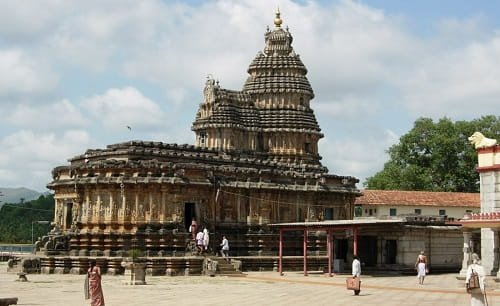
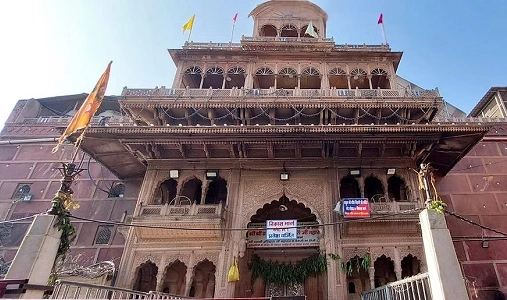
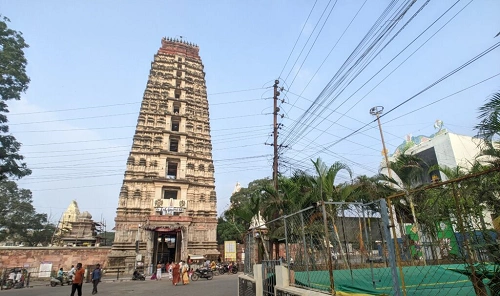
The Jogulamba Temple in Alampur is one of the 18 Maha Shakti Peethas in India. The temple is located near the confluence of the Tungabhadra and Krishna rivers, a region often called Dakshina Kashi because of its immense spiritual importance.
The temple is dedicated to Jogulamba Devi, a fierce form of Goddess Shakti. According to legend, the upper teeth of Goddess Sati fell at this location when Lord Shiva carried her body across the universe.
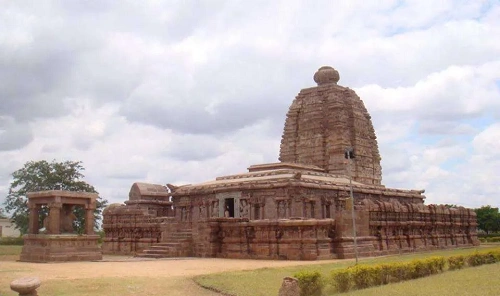
Jogulamba Temple is unique because it stands within a historic complex that also contains the Bala Brahmeswara Swamy Temple and the famous Nava Brahma temples, making Alampur an important pilgrimage center for both Shakta and Shaivite devotees.
1. Daily Jogulamba Temple Timings
The temple follows a structured daily schedule with a mid-day closure for rituals and temple maintenance.
Since the Jogulamba shrine is part of a larger temple complex, timings slightly vary between the Jogulamba Devi Temple and the Bala Brahmeswara Swamy Temple.
Daily Darshan Schedule
| Session | Jogulamba Devi Temple | Bala Brahmeswara Temple |
| Morning Opening | 7:00 AM | 6:00 AM |
| Morning Darshan | 7:00 AM – 1:00 PM | 6:00 AM – 1:00 PM |
| Afternoon Break | 1:00 PM – 2:00 PM | 1:00 PM – 2:00 PM |
| Evening Darshan | 2:00 PM – 8:30 PM | 2:00 PM – 8:30 PM |
| Temple Closing | 8:30 PM | 8:30 PM |
Extended Hours: On Tuesdays, Fridays, and festival days, the temple may remain open until 9:00 PM or later.
Aarti and Special Rituals
- Maha Mangal Harathi (Jogulamba Devi): 5:30 AM
- Maha Mangal Harathi (Bala Brahmeswara Swamy): 5:45 AM
Devotees who wish to attend these rituals usually arrive early in the morning.
2. History and Divine Significance
The name Jogulamba comes from “Yogula Amma”, meaning Mother of Yogis. The temple has been associated with Tantric and yogic traditions for centuries.
Chalukyan Era Origins
The original temples in Alampur were built during the Badami Chalukya dynasty in the 7th and 8th centuries. During this time, Alampur was an important center for art, architecture, and Vedic learning.
Destruction and Preservation
In 1390 CE, the temple was destroyed during invasions by the Bahmani Sultanate. However, devotees managed to hide the idol of Jogulamba inside the Bala Brahmeswara temple, protecting it for more than 600 years.
Reconstruction of the Temple
The present temple structure was reconstructed and consecrated in 2005, bringing the ancient idol back to its original spiritual home.
Today, the temple stands as a symbol of devotion, resilience, and the revival of ancient traditions.
3. Architectural Significance
The Jogulamba Temple complex is famous for its unique blend of Nagara and Dravidian architectural styles.
The Fierce Form of the Goddess
The idol of Jogulamba Devi is depicted in a powerful and fierce form. The Goddess is shown seated on a corpse, symbolizing the destruction of ego and ignorance.
Her hair contains creatures like a lizard, scorpion, and frog, symbolizing her power to overcome negative forces and Vastu doshas.
Nava Brahma Temple Complex
Alampur is famous for its Nava Brahma temples, a group of nine ancient temples dedicated to Lord Shiva.
These temples are considered masterpieces of early Chalukyan architecture and feature detailed carvings of mythological stories and deities.
Stone Carvings and Sculptures
The temple complex includes beautifully carved stone pillars, sculptures, and inscriptions that depict stories from Hindu mythology.
The architectural beauty of these temples reflects the artistic brilliance of the Chalukya period.
4. Major Festivals in 2026
Maha Shivaratri – February 15, 2026
One of the most important festivals celebrated in the temple complex with special abhishekams and night-long prayers.
Jogulamba Jayanti – April/May 2026
This festival celebrates the divine appearance of Jogulamba Devi with special rituals and cultural programs.
Sharad Navaratri – October 2026
Navaratri is the biggest festival at Jogulamba Temple.
During these nine days:
- Special alankarams are performed daily
- Cultural events and devotional programs take place
- The Teppotsavam (boat festival) is conducted on the nearby river
Thousands of devotees visit the temple during this period.
5. Best Time to Visit Jogulamba Temple
Ideal Season
October to February offers pleasant weather for temple visits.
Less Crowded Days
Monday to Thursday mornings.
Peak Days
Fridays, Navaratri, and major festivals.
Best Darshan Timing
Early morning between 7:00 AM – 9:00 AM.
6. Dress Code and Visitor Rules
The temple encourages traditional attire, especially for those participating in rituals.
Men
- Dhoti
- Formal trousers
- Shirts removed during Abhishekam
Women
- Saree
- Salwar Kameez with dupatta
Shorts, sleeveless clothing, and inappropriate attire are discouraged.
Temple Etiquette
- Photography not allowed inside sanctum
- Mobile phones permitted only in outer areas
- Footwear must be deposited outside the temple entrance
7. Important Sevas and Rituals
| Ritual | Timing | Approx Fee |
| Rudrabhishekam | 7:30 AM – 1:00 PM | ₹200 |
| Kumkum Archana | 9:00 AM – 11:30 AM | ₹50 |
| Chandi Homam | Fridays/Pournami | ₹750 |
| Vahana Pooja | 8:30 AM – 5:30 PM | ₹50 – ₹100 |
Most sevas require advance booking at the temple office.
8. How to Reach Jogulamba Temple
By Air
Nearest airport: Rajiv Gandhi International Airport, about 220 km away.
By Train
Nearest railway station: Alampur Road Railway Station, around 8 km from the temple.
By Road
Alampur is well connected by road to major cities.
Distance from key locations:
- Hyderabad – 220 km
- Kurnool – 26 km
- Raichur – 60 km
Buses and taxis are available regularly.
9. Where to Stay Near Jogulamba Temple
Most pilgrims stay in nearby towns like Kurnool or Alampur.
Temple Guest Houses
Basic accommodation is available near the temple.
Budget Hotels
Hotels in Alampur and Kurnool offer comfortable stays.
Premium Options
Larger hotels are available in Kurnool city, about 30 minutes away.
FAQs
Q1. How long does darshan take?
Ans: On weekdays, about 30–60 minutes.
Q2. Is Jogulamba Temple a Shakti Peetha?
Ans: Yes, it is one of the 18 Maha Shakti Peethas.
Q3. Can devotees visit both Jogulamba and Bala Brahmeswara temples together?
Ans: Yes, both temples are located within the same complex.
Q4. Is bathing in the river required before visiting?
Ans: Many devotees take a holy dip in the Tungabhadra River before darshan, though it is optional.