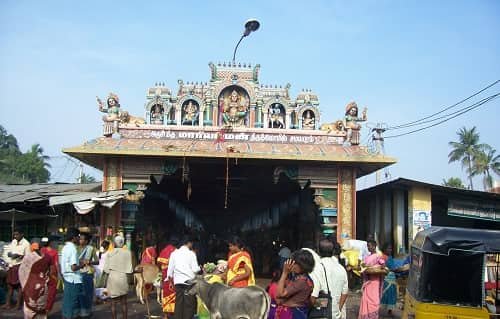
The ancient Sri Parasurameswara Swamy Temple located in Gudimallam near Tirupati is one of the most historically significant temples in India. This temple is globally known for housing what many historians and archaeologists consider the oldest continuously worshipped Shiva Lingam in the world.
The sacred lingam inside the temple is believed to date back to around the 2nd or 3rd century BCE, making it more than 2,200 years old. Because of this extraordinary antiquity, the temple is protected and maintained by the Archaeological Survey of India.
Unlike many large pilgrimage temples, Gudimallam Temple remains relatively quiet and peaceful throughout the year. Devotees and historians visit this temple not only for religious reasons but also to witness one of the earliest examples of Shiva worship in Indian history.
The presiding deity Parasurameswara is associated with the legend of Parashurama, who is believed to have performed penance here. The temple stands today as a rare blend of ancient archaeology, mythology, and living worship.
1. Daily Gudimallam Temple Timings
The temple remains open throughout the day for darshan.
Temple Darshan Timings
| Session | Timing |
| Temple Opening | 6:00 AM |
| General Darshan | 6:00 AM – 8:00 PM |
| Temple Closing | 8:00 PM |
Best Time to Visit
The best time to visit the temple is early morning before 8:00 AM.
At this time the temple atmosphere is extremely peaceful and visitors can experience the spiritual silence of the ancient shrine.
Crowd Information
Unlike major temples, Gudimallam is usually quiet. However, the temple becomes busy during:
- Maha Shivaratri
- Karthika Masam
2. Daily Abhishekam and Pooja Schedule
Several rituals are conducted every day inside the temple.
Ritual Schedule
| Ritual | Timing | Ticket Cost |
| Daily Abhishekam | 6:15 AM – 7:00 AM | ₹500 |
| Special Abhishekam | 8:00 AM – 9:30 AM | ₹500 |
| Archana | Morning & Evening | ₹10 – ₹20 |
Weekly Special Rituals
Special poojas are conducted on specific days of the week.
| Day | Ritual |
| Thursday | Dakshinamurthy Abhishekam |
| Friday | Ananda Valli Ammavaru Abhishekam |
| Sunday | Surya Narayana Swamy Abhishekam |
Devotees can purchase seva tickets at the temple counter.
3. History and Archaeological Significance
The Gudimallam Shiva Lingam is one of the most unique religious artifacts in India.
Ancient Lingam
The lingam stands around 5 feet tall and is carved from brown igneous rock.
Unlike most modern Shiva Lingams, this one features a detailed carving of Lord Shiva in human form on the front.
Shiva as a Hunter
The sculpture shows Shiva standing in the form of a hunter, holding a small animal and resting on the shoulders of a dwarf figure called Apasmara Purusha, symbolizing ignorance.
This early iconography reflects some of the oldest known forms of Shiva worship.
Representation of the Trinity
Local traditions believe the sculpture symbolizes the Trimurti:
- Brahma represented by the dwarf at the base
- Vishnu represented by the central figure
- Shiva represented by the lingam itself.
Temple Construction
While the lingam dates back more than two millennia, the temple structure surrounding it was expanded during the reign of the Pallava dynasty and later the Chola dynasty around the 12th century CE.
4. Architectural Features
The temple is a fascinating blend of ancient sculpture and later temple architecture.
Stone Temple Structure
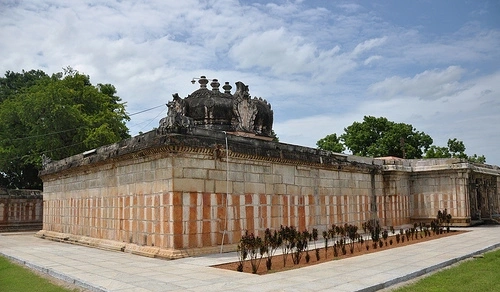
The temple features traditional South Indian stone construction with carved pillars and a modest gopuram.
Sanctum Architecture
The sanctum houses the ancient lingam in a small stone chamber, preserving its original structure.
Historic Inscriptions
Several inscriptions discovered around the temple provide historical information about temple renovations and donations by ancient rulers.
5. Best Time to Visit Gudimallam Temple
Ideal Season
October to March is the best time to visit due to comfortable weather conditions.
Best Time of Day
Early morning hours offer the most peaceful experience.
Festival Periods
The temple becomes lively during:
- Maha Shivaratri
- Karthika Masam.
6. Dress Code and Visitor Guidelines
Visitors are expected to wear traditional attire.
For Men
- Dhoti or Veshti
- Formal trousers.
For Women
- Saree
- Salwar Kameez with dupatta.
Temple Rules
- Photography is not allowed inside the sanctum.
- Visitors must remove footwear before entering.
- Silence should be maintained in prayer areas.
7. How to Reach Gudimallam Temple
Gudimallam is located in the Tirupati region of Andhra Pradesh.
By Air
Nearest airport: Tirupati Airport
Distance: about 12 km.
By Train
Nearest railway station: Renigunta Junction
Distance: around 15 km.
By Road
Distance from nearby cities:
- Tirupati – 25 km
- Renigunta – 15 km
- Srikalahasti – 35 km
Taxis and auto-rickshaws are the easiest way to reach the temple.
8. Where to Stay Near Gudimallam Temple
Tirupati Accommodation
Most visitors stay in Tirupati, which offers a wide range of hotels and guesthouses.
Temple Visit Combination
Many pilgrims combine visits to:
- Tirumala Venkateswara Temple
- Srikalahasti Temple
along with Gudimallam Temple.
FAQs
Q1. Why is Gudimallam Temple famous?
Ans: It houses the oldest known Shiva Lingam still in worship.
Q2. How old is the Gudimallam Lingam?
Ans: Approximately 2,200 years old.
Q3. Is photography allowed inside the temple?
Ans: No, photography is not allowed inside the sanctum.
Q4. How long does darshan take?
Ans: Usually 10–30 minutes since the temple is not very crowded.