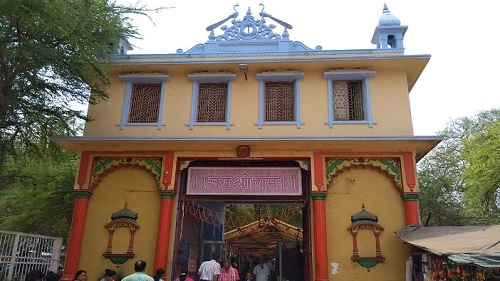
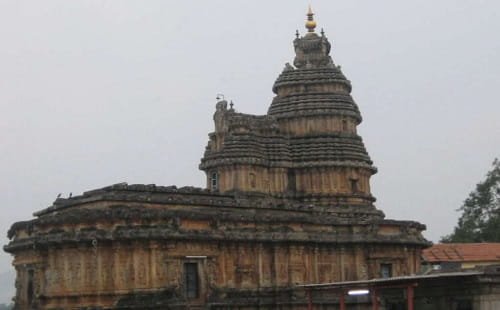
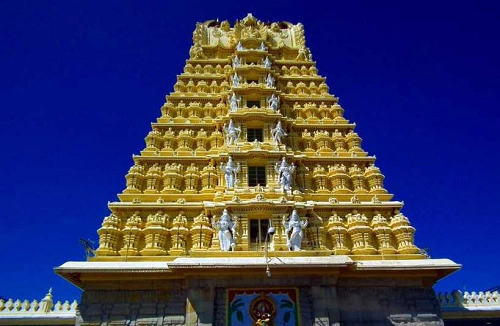
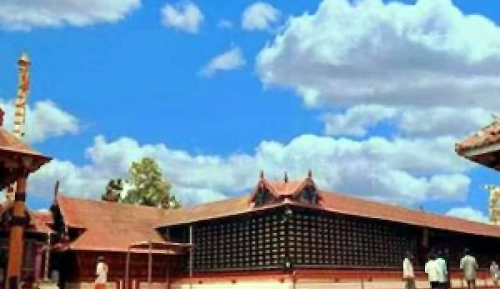
The Chottanikkara Bhagavathy Temple located near Kochi in Kerala is one of the most powerful and spiritually significant temples dedicated to the Divine Mother in South India. The temple is devoted to Rajarajeswari, a powerful form of the goddess who represents protection, prosperity, and wisdom.
Chottanikkara Temple is widely known for its strong reputation as a healing temple. Thousands of devotees visit every year seeking relief from mental distress, negative energies, and spiritual disturbances. The temple is believed to possess powerful divine energy that helps devotees overcome psychological and spiritual challenges.
A unique aspect of the temple is that the goddess is worshipped in three different divine forms throughout the day—Saraswati, Lakshmi, and Durga. This symbolic transformation represents the goddess as the source of knowledge, prosperity, and protection.
The temple complex consists of two main shrines: the Melkkavu (Upper Temple) and the Keezhkkaavu (Lower Temple). Both shrines are equally important and play a major role in the temple’s rituals.
Due to its powerful traditions and centuries-old history, Chottanikkara Temple remains one of the most visited pilgrimage destinations in Kerala.
1. Daily Chottanikkara Temple Timings
The temple follows a split schedule with a break in the afternoon.
Temple Darshan Timings
| Session | Mandalam & Fridays | Other Weekdays |
| Morning Opening | 3:30 AM | 4:00 AM |
| Morning Darshan | 3:30 AM – 12:10 PM | 4:00 AM – 12:10 PM |
| Afternoon Break | 12:10 PM – 4:00 PM | 12:10 PM – 4:00 PM |
| Evening Darshan | 4:00 PM – 8:45 PM | 4:00 PM – 8:45 PM |
| Temple Closing | 8:45 PM | 8:45 PM |
Festival Note
During the annual Ulsavam festival, which usually takes place in February–March, temple timings may extend to accommodate the large number of pilgrims.
The Makam Thozhal day is the most important day of the festival and attracts thousands of devotees, especially women.
2. The Three Forms of the Goddess
One of the most fascinating aspects of Chottanikkara Temple is that the goddess appears in three forms during different times of the day.
Morning – Saraswati
In the morning, the goddess appears in white attire representing Saraswati, the goddess of knowledge and wisdom.
Noon – Lakshmi
During midday worship, the goddess is decorated in red garments symbolizing Lakshmi, the deity of prosperity and wealth.
Evening – Durga
In the evening, the goddess appears in blue attire representing Durga, the powerful protector who destroys evil forces.
This daily transformation symbolizes the goddess as the ultimate source of knowledge, prosperity, and protection.
3. Key Rituals and Pooja Schedule
Several sacred rituals are performed daily at the temple.
Important Rituals
| Ritual | Timing | Significance |
| Nirmalya Darshan | 4:00 AM | First darshan of the deity |
| Ucha Pooja | 12:00 PM | Midday offering to the goddess |
| Deeparadhana | 6:30 PM | Evening lamp ceremony |
| Valiya Guruthi | 8:45 PM | Ritual for protection from negative energies |
Valiya Guruthi Pooja
One of the most powerful rituals in the temple is the Valiya Guruthi performed at the Keezhkkaavu temple.
During this ritual, a mixture of lime and turmeric is offered in large cauldrons as a symbolic act of destroying evil forces.
Devotees believe that witnessing this ritual helps remove negative energies and spiritual disturbances.
4. History and Spiritual Importance
The temple has a long history connected with the worship of the Divine Mother.
According to local traditions, the idol of the goddess is Swayambhu, meaning it manifested naturally. Over centuries, the temple developed into a powerful spiritual center where devotees came to seek protection from evil influences.
The temple is also believed to have a spiritual connection with Mookambika Temple in Karnataka.
A local belief states that Goddess Mookambika visits Chottanikkara every morning to attend the first worship before returning to her own temple.
5. Best Time to Visit Chottanikkara Temple
Ideal Season
The best months to visit are October to March, when Kerala experiences pleasant weather.
Best Day
Weekdays usually have smaller crowds compared to weekends.
Best Time for Darshan
For a peaceful experience, devotees should arrive around 4:00 AM for the Nirmalyam darshan, which is considered the most auspicious.
To witness the powerful Guruthi Pooja, visitors should attend the evening rituals around 8:45 PM.
6. Dress Code and Temple Rules
The temple strictly follows traditional Kerala dress customs.
For Men
- Mundu (Dhoti) is compulsory inside the temple.
- Shirts and vests must be removed before entering the inner temple.
For Women
- Saree is the preferred attire.
- Salwar Kameez with dupatta is also allowed.
Temple Rules
- Photography is prohibited inside the sanctum.
- Mobile phones should be kept on silent mode.
- Devotees must maintain silence inside the temple premises.
7. How to Reach Chottanikkara Temple
The temple is located around 20 km from Kochi city in Kerala.
By Air
Nearest airport: Cochin International Airport
Distance: about 35 km.
By Train
Nearest railway station: Ernakulam Junction Railway Station
Distance: approximately 16 km.
By Road
The temple is easily accessible by road.
Distance from nearby cities:
- Kochi – 20 km
- Ernakulam – 16 km
- Aluva – 30 km
Regular buses, taxis, and auto-rickshaws are available.
8. Where to Stay Near Chottanikkara Temple
Several accommodation options are available near the temple.
Temple Guest Houses
Temple-run lodges provide affordable rooms for pilgrims.
Nearby Hotels
Many devotees prefer staying in Kochi or Ernakulam, where a wide range of hotels and budget lodges are available.
FAQs
Q1. Why is Chottanikkara Temple famous?
Ans: It is famous for healing rituals believed to remove mental distress and negative energies.
Q2. What is the most important ritual here?
Ans: The Valiya Guruthi Pooja performed at night.
Q3. How long does darshan take?
Ans: Usually 30–60 minutes, but longer during festivals.
Q4. Can men wear shirts inside the temple?
Ans: No, men must remove shirts when entering the inner temple.